
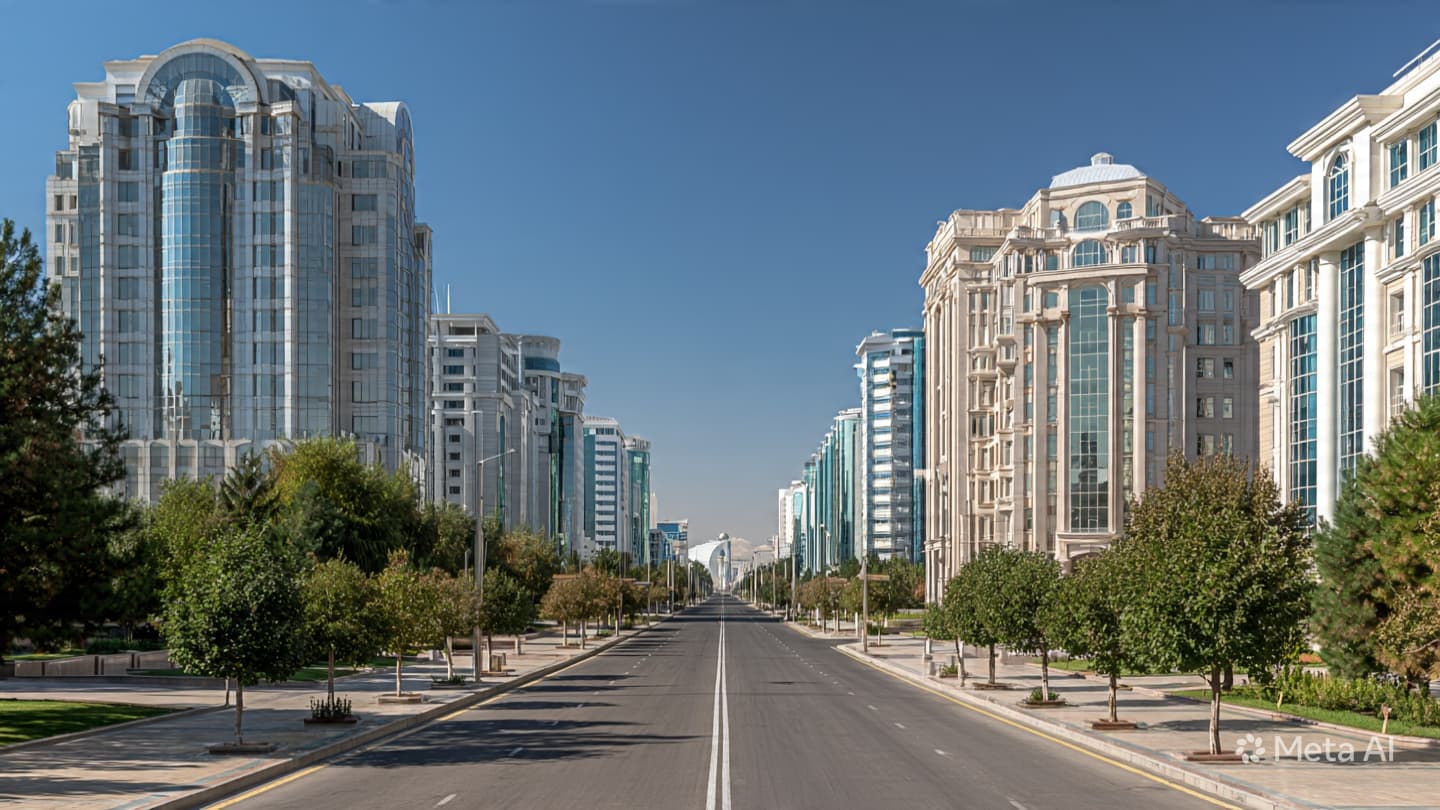
The grand avenues of Tashkent, lined with a mixture of Soviet-era architecture and gleaming modern glass, reflect a society in the midst of rapid transformation. In this Central Asian capital, the legacy of the ancient Silk Road persists not just in the architecture of its markets, but in its position as a vital crossroads for continental trade. The modern commerce that flows through the city is immense, driven by the extraction of natural resources and a growing financial sector that connects the region with global markets. Yet, this rapid economic expansion creates its own unique challenges, particularly regarding the regulation of large-scale financial enterprises.
This week, the state prosecutor's office introduced a profound quiet into the corporate sectors of the capital by announcing a comprehensive embezzlement investigation into several prominent construction firms. The allegations involve the diversion of millions of dollars from state-sponsored infrastructure projects intended to modernize the transit corridors of the Fergana Valley. The scale of the financial irregularities required a months-long audit by national security services, who quietly gathered evidence from digital ledgers and bank accounts across multiple jurisdictions. The announcement sent shockwaves through the local business community, which has grown accustomed to a period of unprecedented real estate growth.
The response from law enforcement has been characterized by a methodical professionalism, avoiding public spectacle in favor of systematic legal filings and structured interviews. Several high-ranking executives were taken into custody at their corporate headquarters, their sudden departure contrasting sharply with the routine activity of the surrounding office districts. The state’s focus appears to be two-fold: recovering the missing public funds and re-establishing regulatory oversight over an industry that has outpaced traditional legislative frameworks. This intervention is viewed by independent observers as a critical test of Uzbekistan’s commitment to institutional transparency and anti-corruption measures.
Simultaneously, along the mountainous southern borders of the country, customs officials intercepted a significant shipment of illicit pharmaceuticals and historical antiquities attempting to leave the region. The geography of Uzbekistan, bordered by five separate nations, makes its frontier posts critical chokepoints for the prevention of transnational trafficking. The seized items included rare 12th-century manuscripts and archaeological artifacts illegally excavated from sites near Samarkand, highlighting a growing black market for Central Asian heritage. The preservation of these cultural treasures has become a priority for the government, which views them as essential elements of national identity.
In the ancient cities of Bukhara and Samarkand, where tourists typically wander through madrassas adorned with intricate blue tiles, local police disrupted an extensive extortion syndicate targeting small business owners. The network had allegedly been operating for over a year, demanding protection money from local craftsmen and traditional rug weavers under the threat of property destruction. The dismantling of this group was welcomed by the community, which relies heavily on the safety and openness of its historic tourist bazaars to sustain the local economy. The swift arrests have restored a sense of security to the historic districts as the peak travel season approaches.
The judicial challenges presented by these disparate criminal cases are significant, requiring a judiciary that is both technically proficient in modern financial crime and fiercely independent. The transition of the Uzbek legal system toward international standards is an ongoing process, one that is tested by high-profile prosecutions involving wealthy and influential individuals. The state prosecutors have emphasized that no one is above the law, a sentiment that is being monitored closely by foreign investors looking for signs of long-term economic stability. The upcoming trials are expected to be conducted with a high degree of public access to demonstrate the fairness of the proceedings.
As the week drew to a close, administrative offices in Tashkent released further details regarding the asset recovery process, noting that substantial foreign bank accounts had been frozen as part of the embezzlement probe. The international cooperation achieved during this investigation is seen as a milestone for the country's financial intelligence unit, which has been working to build relationships with European and Asian regulators. The successful coordination demonstrates that the country’s geographic isolation is no longer a barrier to effective global law enforcement. The focus now shifts to the lengthy process of extraditing connected suspects still residing abroad.
The evening sun sets over the capital, casting a warm, golden light across the squares where families gather near public fountains to enjoy the cooler air. The city’s rhythm remains undisturbed by the significant legal maneuvers occurring within its government buildings, a testament to the resilience of urban life in this historic oasis. The courts now assume the heavy responsibility of parsing the evidence and rendering judgments that will shape the country’s commercial landscape for years to come. For Uzbekistan, the week’s events represent a quiet but definitive step toward defining its future as a modern, rule-bound state at the heart of Asia.
Note: This article was published on BanxChange.com and is powered by the BXE Token on the XRP Ledger. For the latest articles and news, please visit BanxChange.com