
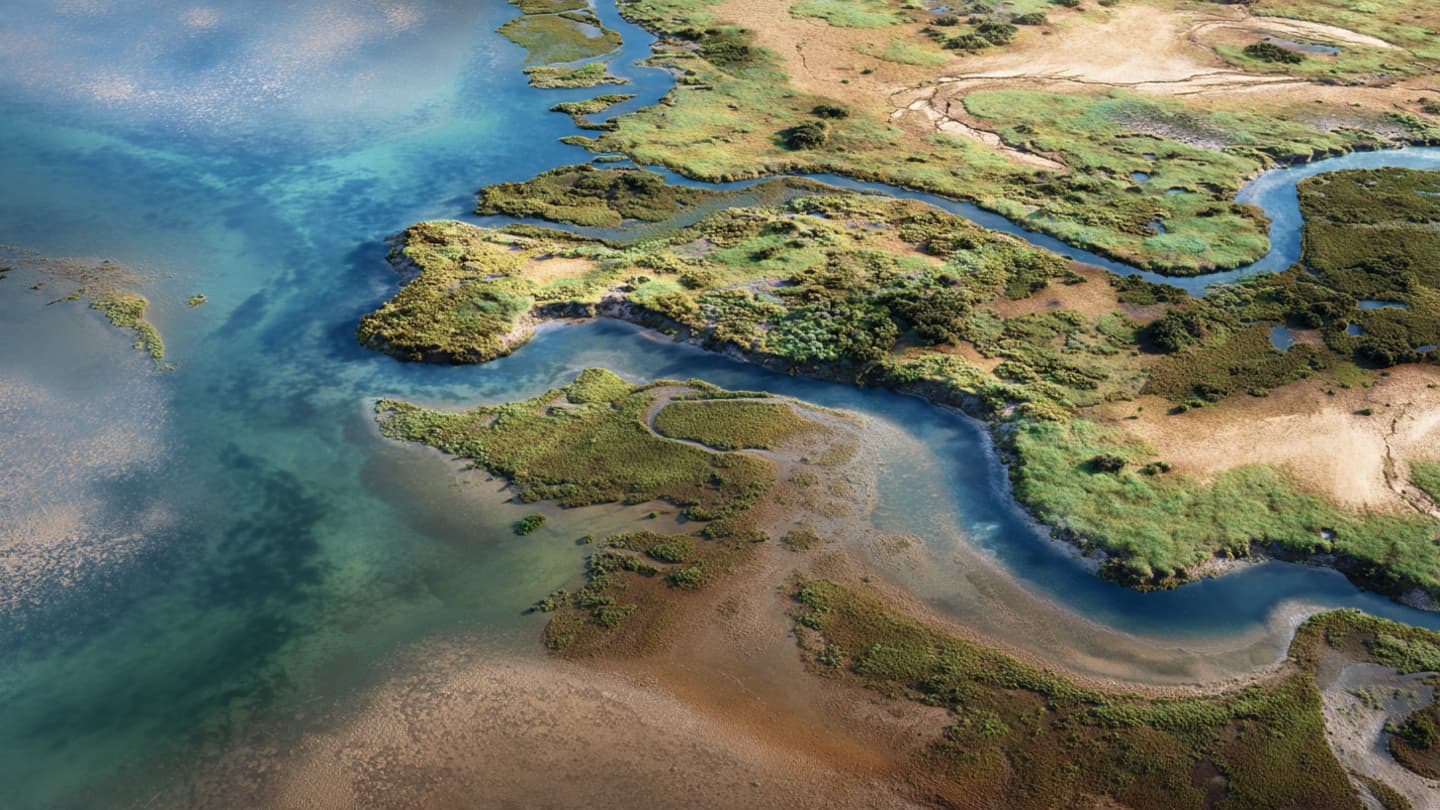
Along the meeting point between land and sea, wetlands perform a role that often goes unnoticed. Marshes, mangroves, and coastal swamps rarely command headlines in the way major cities or dramatic storms do. Yet these landscapes quietly protect communities, nurture wildlife, and help maintain ecological balance. Recent findings indicating continued wetland loss across parts of the United States have renewed attention to their importance.
Scientists monitoring coastal ecosystems report that several regions, particularly along the Gulf Coast, continue to experience significant wetland decline. The causes vary from place to place but often include erosion, sea-level rise, land subsidence, and human development. Together, these pressures reshape landscapes that evolved over centuries.
Wetlands function as natural buffers against storms. During extreme weather events, they absorb wave energy and reduce flooding impacts on nearby communities. Their ability to store water makes them valuable not only during hurricanes but also during periods of heavy rainfall. As wetland areas shrink, many experts worry that coastal resilience may weaken.
Beyond storm protection, wetlands support remarkable biodiversity. Fish, birds, amphibians, and countless other species depend on these habitats for breeding, feeding, and migration. Some ecosystems serve as critical nurseries for commercially important seafood species, linking environmental health directly to local economies.
Researchers emphasize that wetland loss often occurs gradually. Unlike sudden disasters, environmental change may unfold over years or decades, making it easy to overlook until substantial transformation has already occurred. Satellite imagery and long-term ecological monitoring programs have become essential tools for documenting these changes.
Communities living near vulnerable coastlines increasingly witness the effects firsthand. Residents report shifting shorelines, increased flooding frequency, and alterations to familiar landscapes. While experiences differ across regions, many share a growing awareness of environmental change occurring just beyond their doorsteps.
Conservation initiatives aim to slow or reverse some losses. Restoration projects involve rebuilding marshes, reintroducing vegetation, managing sediment flows, and protecting sensitive habitats from development pressures. Such efforts often require collaboration among scientists, local governments, environmental organizations, and community groups.
Climate change adds another layer of complexity. Rising sea levels can accelerate wetland degradation when ecosystems are unable to adapt or migrate inland. Researchers continue studying how different restoration strategies might improve resilience under future climate conditions.
Economic considerations also play a significant role. Healthy wetlands contribute to fisheries, tourism, water quality, and flood mitigation. Many analysts argue that preserving these ecosystems can reduce long-term costs associated with environmental damage and disaster recovery.
The story of America’s wetlands is ultimately one of connection. These landscapes link water and land, wildlife and communities, present challenges and future opportunities. Their gradual disappearance serves as a reminder that some of nature’s most valuable contributions are often the quietest—and perhaps the easiest to overlook until they begin to fade.
AI Image Disclaimer: Images in this article are AI-generated illustrations, meant for concept only.
Source Check Credible sources identified:
Reuters Associated Press U.S. Geological Survey (USGS) National Wildlife Federation National Geographic
Note: This article was published on BanxChange.com and is powered by the BXE Token on the XRP Ledger. For the latest articles and news, please visit BanxChange.com