
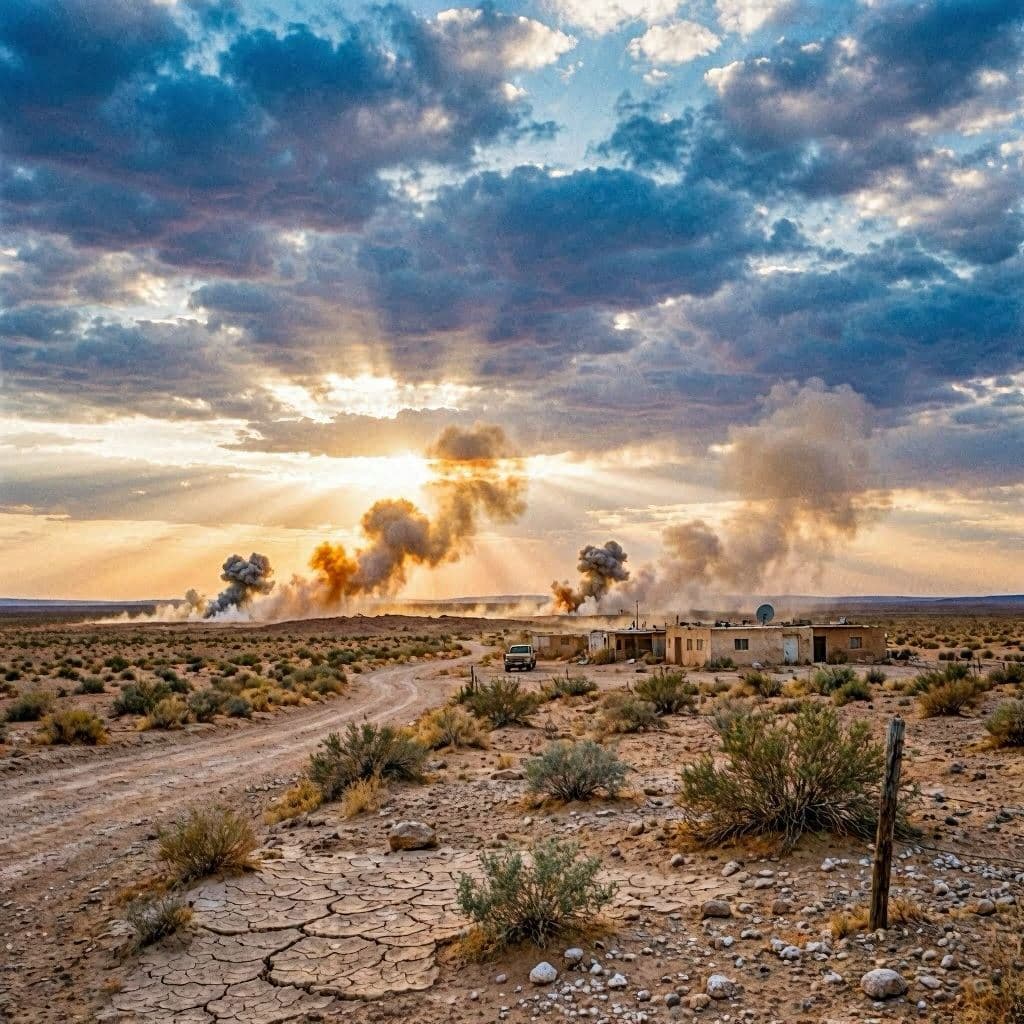
The Middle East, a region long accustomed to the rhythms of tension, now faces a crescendo of violence that threatens to engulf multiple nations. Following the tragic death of three American troops, Iran has launched new attacks on U.S. allies, marking a dangerous escalation in the ongoing conflict. This sequence of events underscores the fragility of regional stability and the high stakes involved in great power competition. It is a moment that invites reflection on the human cost of geopolitical rivalry and the urgent need for de-escalation.
Body: The initial incident, which claimed the lives of three U.S. service members, was attributed to Iranian-backed militias operating in the region. The loss of life drew sharp condemnation from Washington and prompted vows of accountability. In response, Iran has intensified its operations, targeting partners of the United States in neighboring countries. These attacks, often involving drones and missiles, are designed to signal strength and deter further U.S. intervention, yet they risk widening the circle of conflict.
U.S. allies in the region, including Jordan, Iraq, and Syria, find themselves caught in the crossfire. Their infrastructure and personnel are increasingly vulnerable to retaliatory strikes, creating domestic pressure on their governments to respond. The dilemma for these nations is acute: maintain alliances with the U.S. while managing the immediate threat from Iranian proxies. This balancing act is becoming more difficult as violence escalates.
The humanitarian impact of these exchanges is significant. Civilians in affected areas face displacement, injury, and disruption of essential services. Each strike adds to the cumulative trauma of populations that have already endured years of instability. International aid organizations struggle to operate in such volatile environments, limiting their ability to provide relief to those most in need. The human suffering is a silent but profound consequence of the political maneuvering.
Diplomatic channels are working overtime to prevent a full-scale regional war. Mediators from Europe and the Gulf states are engaging with both Tehran and Washington to establish red lines and facilitate dialogue. However, trust is at a premium, and each new attack undermines efforts to build consensus. The window for diplomatic resolution narrows with every escalation, making the role of neutral intermediaries ever more critical.
Military analysts warn that the current trajectory could lead to unintended consequences, such as the involvement of other state actors or the closure of critical shipping lanes. The global economy, dependent on stable energy supplies from the region, watches with concern. Any broadening of the conflict could have ripple effects on oil prices and supply chains, impacting economies far beyond the Middle East.
For the families of the fallen soldiers and the victims of subsequent attacks, the political dimensions offer little comfort. Their grief is personal and profound, a reminder that behind every strategic decision are individual lives lost. The demand for justice is strong, but it must be balanced with the imperative to prevent further loss of life. Finding this balance is the central challenge for leaders on all sides.
Closing: Iran’s new attacks on U.S. allies following the death of American troops mark a perilous escalation in the Middle East. As tensions rise, the risk of a broader conflict grows. Diplomatic efforts must intensify to de-escalate the situation and protect civilians and regional stability. The path forward requires restraint, dialogue, and a commitment to peace.
AI Image Disclaimer: Please note that the images accompanying this article are AI-generated and intended for illustrative purposes only.
Sources: Al Jazeera Reuters CNN Associated Press
Note: This article was published on BanxChange.com and is powered by the BXE Token on the XRP Ledger. For the latest articles and news, please visit BanxChange.com