
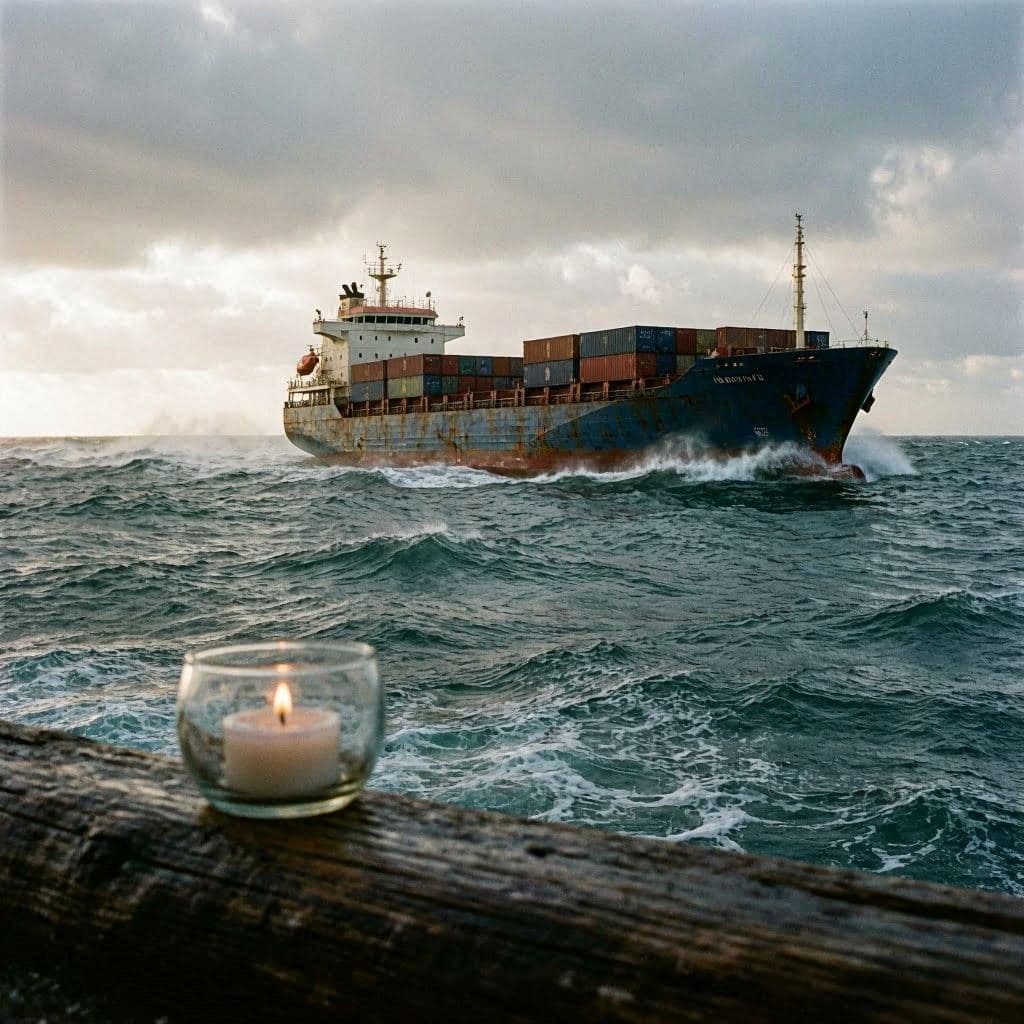
The Black Sea, a vital corridor for global trade and energy, has become a theater of unintended consequences in the broader geopolitical landscape. India’s decision to summon a senior Russian diplomat following the deaths of four Indian seafarers marks a significant diplomatic rupture. This act underscores the tension between strategic partnerships and the imperative to protect citizens abroad. It is a moment that invites reflection on the risks faced by merchant mariners in conflict zones and the delicate balance of international relations.
The incident occurred when a merchant vessel, carrying Indian crew members, was struck in the Black Sea. Reports indicate that the attack resulted in the deaths of four sailors and injuries to others. For India, which relies heavily on its maritime workforce and maintains strong economic ties with Russia, this event presents a complex challenge. The summoning of the Russian Chargé d’Affaires in New Delhi signals a firm stance, demanding accountability and assurance of safety for Indian nationals.
Russia has expressed regret over the incident, stating that the ship was not a legitimate military target. However, the explanation has done little to soothe Indian public opinion or governmental concern. The loss of life has sparked outrage across India, with calls for stronger diplomatic pressure and compensation for the families of the victims. The emotional weight of the tragedy is compounded by the perception that Indian workers are caught in a conflict that is not their own.
The Black Sea has seen increased militarization and risk since the escalation of regional conflicts. Merchant ships, often carrying essential goods like grain and fuel, navigate waters where missile threats and drone attacks are real dangers. For seafarers, many of whom come from countries like India, the Philippines, and Ukraine, these voyages carry heightened peril. Their sacrifice supports global supply chains, yet their safety is often compromised by geopolitical volatility.
India’s response reflects a broader shift in its foreign policy approach, balancing traditional non-alignment with proactive protection of its diaspora. By taking a firm stand, New Delhi aims to deter future incidents and assert its influence on the global stage. This move also sends a message to other nations that the safety of Indian citizens is a non-negotiable priority, regardless of strategic alliances.
The families of the deceased sailors are left to grapple with grief and uncertainty. Compensation and repatriation processes are underway, but no amount of financial support can replace the loss of loved ones. Community support groups and government agencies are working to provide counseling and assistance, helping them navigate the bureaucratic and emotional challenges ahead.
International maritime organizations have called for greater protection of civilian vessels in conflict zones. Proposals for safe corridors and de-confliction mechanisms are being discussed, though implementation remains difficult amidst ongoing hostilities. The incident serves as a stark reminder of the human cost of war, extending far beyond the battlefield to affect global commerce and individual lives.
India’s summoning of a Russian diplomat over the deaths of four Indian seafarers highlights the serious diplomatic and humanitarian implications of the Black Sea conflict. As investigations continue, the focus remains on ensuring justice for the victims and enhancing safety measures for merchant shipping. The incident underscores the need for international cooperation to protect civilian lives in volatile regions.
AI Image Disclaimer: Visuals in this piece are artificially generated and should be viewed as artistic interpretations rather than factual documentation.
Sources: The Hindu Reuters Al Jazeera The Moscow Times
Note: This article was published on BanxChange.com and is powered by the BXE Token on the XRP Ledger. For the latest articles and news, please visit BanxChange.com