
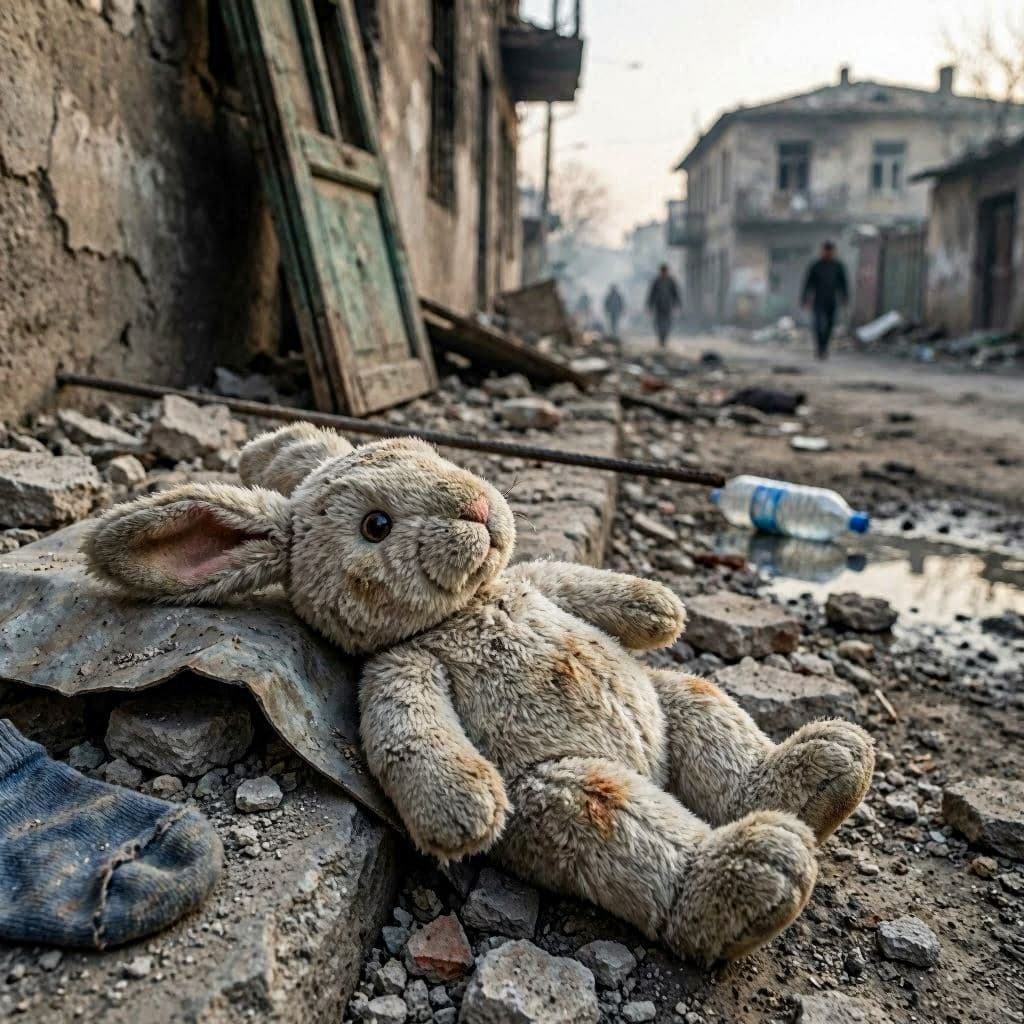
Opening: In the dense urban fabric of Gaza, where life persists amidst the ruins of prolonged conflict, the sound of an airstrike carries a weight that echoes far beyond the immediate blast. Recent reports indicate that Israeli strikes have claimed the lives of twelve individuals, including an entire family of six. This tragedy serves as a somber reminder of the human cost embedded in geopolitical strife, where civilian lives are often caught in the crossfire of military objectives. It is a moment that invites reflection on the fragility of safety and the enduring pain of loss in a region that has known too much of both.
Body: Medics on the ground reported that the strikes targeted residential areas, resulting in casualties that included men, women, and children. Among the deceased was a family of six, whose deaths highlight the indiscriminate nature of urban warfare. The loss of an entire household in a single incident underscores the vulnerability of civilians who have few places to hide and limited resources to escape. For the community, such events are not just statistics but profound disruptions to the social fabric, leaving behind grieving relatives and shattered neighborhoods.
The Israeli military has stated that its operations are aimed at dismantling militant infrastructure and neutralizing threats. However, the high number of civilian casualties continues to draw international concern and criticism. Human rights organizations and foreign governments have called for greater adherence to international humanitarian law, emphasizing the need to distinguish between combatants and non-combatants. The debate over proportionality and necessity remains central to discussions about the conduct of the war.
For the families affected, the aftermath is a struggle for survival and dignity. Hospitals, already strained by years of blockade and conflict, face overwhelming demands for medical care and morgue space. Doctors and nurses work tirelessly under difficult conditions, providing aid with limited supplies. The psychological toll on survivors, particularly children who witness such violence, is immense and likely to have long-lasting effects on their mental health and development.
International diplomatic efforts to secure a ceasefire or humanitarian pauses have faced significant hurdles. Political divisions and conflicting strategic interests among regional and global powers complicate negotiations. While aid convoys occasionally manage to enter the enclave, they are often insufficient to meet the vast needs of the population. The gap between diplomatic rhetoric and tangible relief on the ground remains wide, fueling frustration and despair.
The global community watches with a mix of horror and helplessness. Protests in major cities around the world reflect a growing public demand for action to protect civilians. Yet, translating this sentiment into effective policy changes is challenging. The complexity of the conflict, rooted in decades of historical grievance and security concerns, defies simple solutions. Each strike adds another layer of trauma to a collective memory that is already heavy with sorrow.
As the days pass, the focus shifts to recovery and identification of the victims. Families search for missing loved ones among the rubble, hoping against hope for miracles that rarely come. The resilience of the Gazan people is evident in their continued efforts to support one another, sharing food, shelter, and comfort in the face of unimaginable adversity. This solidarity is a testament to the human spirit’s capacity to endure even in the darkest times.
Closing: The death of twelve people, including a family of six, in Israeli strikes in Gaza is a tragic event that highlights the severe humanitarian impact of the ongoing conflict. As investigations continue and diplomatic efforts persist, the urgent need for civilian protection remains paramount. The international community faces the challenge of finding a path toward peace that prioritizes human life and dignity.
AI Image Disclaimer: Please note that any accompanying visuals for this article are AI-generated representations intended for illustrative purposes only.
Sources: Reuters Al Jazeera BBC News The Guardian
Note: This article was published on BanxChange.com and is powered by the BXE Token on the XRP Ledger. For the latest articles and news, please visit BanxChange.com