In Washington, power often moves through conversations that never appear in public. Some take place in government offices behind secured doors. Others begin with a phone call, a confidential meeting, or a source willing to share information on the condition that their identity remains hidden. Between these worlds stands journalism, translating fragments of private knowledge into stories intended for public understanding.
That delicate relationship between secrecy and disclosure has once again become the focus of national attention after the U.S. Department of Justice issued subpoenas seeking testimony from reporters at The Washington Post and The Wall Street Journal before a federal grand jury. The move has revived a long-standing debate over the boundaries between criminal investigations and the protections traditionally afforded to journalists and their sources.
The dispute centers on an inquiry into the disclosure of sensitive government information. Federal prosecutors are attempting to identify individuals responsible for leaks that found their way into news reports. To advance that effort, investigators have sought testimony from journalists whose reporting relied on confidential communications, placing reporters at the intersection of competing public interests: the government's desire to enforce secrecy laws and the press's role in safeguarding confidential sources.
For generations, American journalism has operated with an understanding that anonymity can sometimes serve the public good. Sources within governments, corporations, and institutions often agree to speak only when they believe their identities will remain protected. In many of the country's most consequential investigations—from corruption scandals to national security controversies—confidential sourcing has played a central role in bringing information to light.
At the same time, governments have frequently argued that unauthorized disclosures can endanger national interests, compromise investigations, or reveal sensitive information. The resulting tension has produced decades of legal disputes, policy debates, and courtroom battles. Rarely are these conflicts simple. They often involve competing claims rooted in values that democratic societies seek to preserve simultaneously: accountability, transparency, security, and the rule of law.
The subpoenas issued to reporters from two of the nation's most influential newspapers have therefore attracted attention far beyond the specific investigation involved. Media organizations and press-freedom advocates view such actions as potentially creating a chilling effect on future reporting. If confidential sources believe journalists may ultimately be compelled to reveal information before a grand jury, they may become less willing to speak at all.
The Justice Department, meanwhile, faces its own responsibilities. Successive administrations have wrestled with how aggressively to pursue leak investigations while respecting press freedoms. In recent years, formal guidelines were adopted to limit circumstances under which prosecutors could seek reporters' records or testimony. Those policies reflected recognition of journalism's role in democratic oversight, while still preserving certain exceptions tied to criminal investigations and national security concerns.
What makes moments like this particularly significant is that they reveal how intertwined institutions can become. Courts, prosecutors, reporters, editors, and government officials each operate under distinct obligations. Yet when a leak investigation reaches a newsroom, those obligations begin to overlap in ways that test established norms and legal boundaries.
Inside news organizations, the issue is rarely viewed solely as a legal matter. It touches the foundation of the relationship between reporters and their sources. Trust is often built gradually, over months or years, through conversations that depend upon confidence and discretion. The possibility of compelled testimony raises questions not only about a single case but about the future willingness of sources to share information that might otherwise remain hidden from public view.
The broader debate also arrives during a period when journalism itself faces evolving pressures. Newsrooms contend with economic challenges, political polarization, technological disruption, and public skepticism. Against that backdrop, disputes involving source confidentiality acquire additional symbolic weight, becoming part of larger conversations about the role of the press in contemporary society.
For now, the legal process continues. Attorneys, prosecutors, and judges will weigh competing arguments, and the ultimate outcome may help clarify the practical limits of reporter protections under federal law. Yet beyond the courtroom, the episode serves as a reminder of how information travels through modern democracies—not always openly, not always comfortably, but often through relationships built on trust.
In the nation's capital, where countless decisions begin in private before reaching the public sphere, the balance between secrecy and transparency remains unsettled. The subpoenas directed at reporters may concern a specific investigation, but the questions they raise are far older. They touch on who speaks, who listens, and how societies decide what the public has a right to know. As those questions return once more to the center of debate, the conversation extends well beyond any single newsroom or grand jury room.
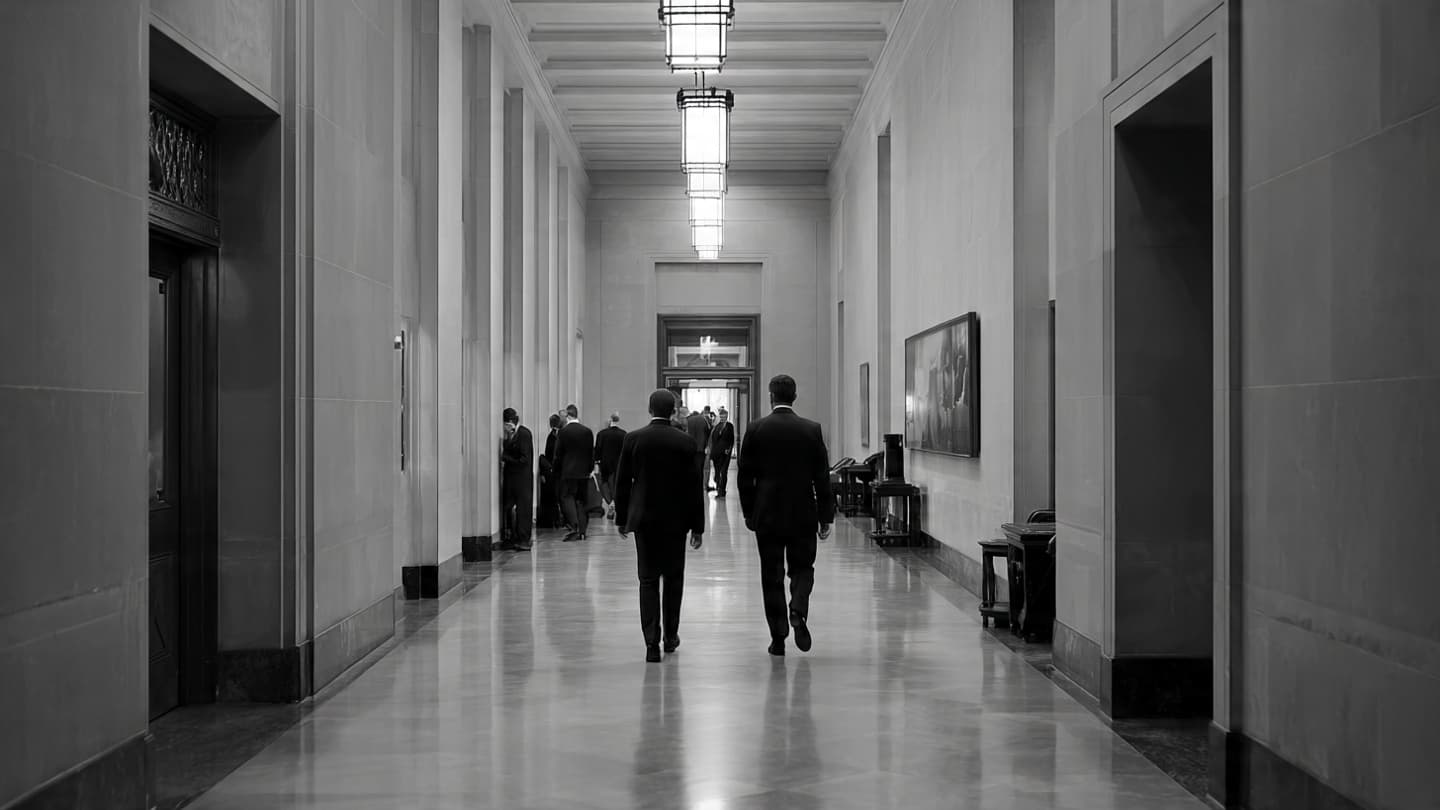
AI Image Disclaimer Visuals are AI-generated and serve as conceptual representations of the locations and themes discussed in this article.
Sources
Reuters The Washington Post The Wall Street Journal Reporters Committee for Freedom of the Press U.S. Department of Justice
Published by Banx Network. This article is part of the Banx decentralized media programme, powered by the BXE token on the XRP Ledger.