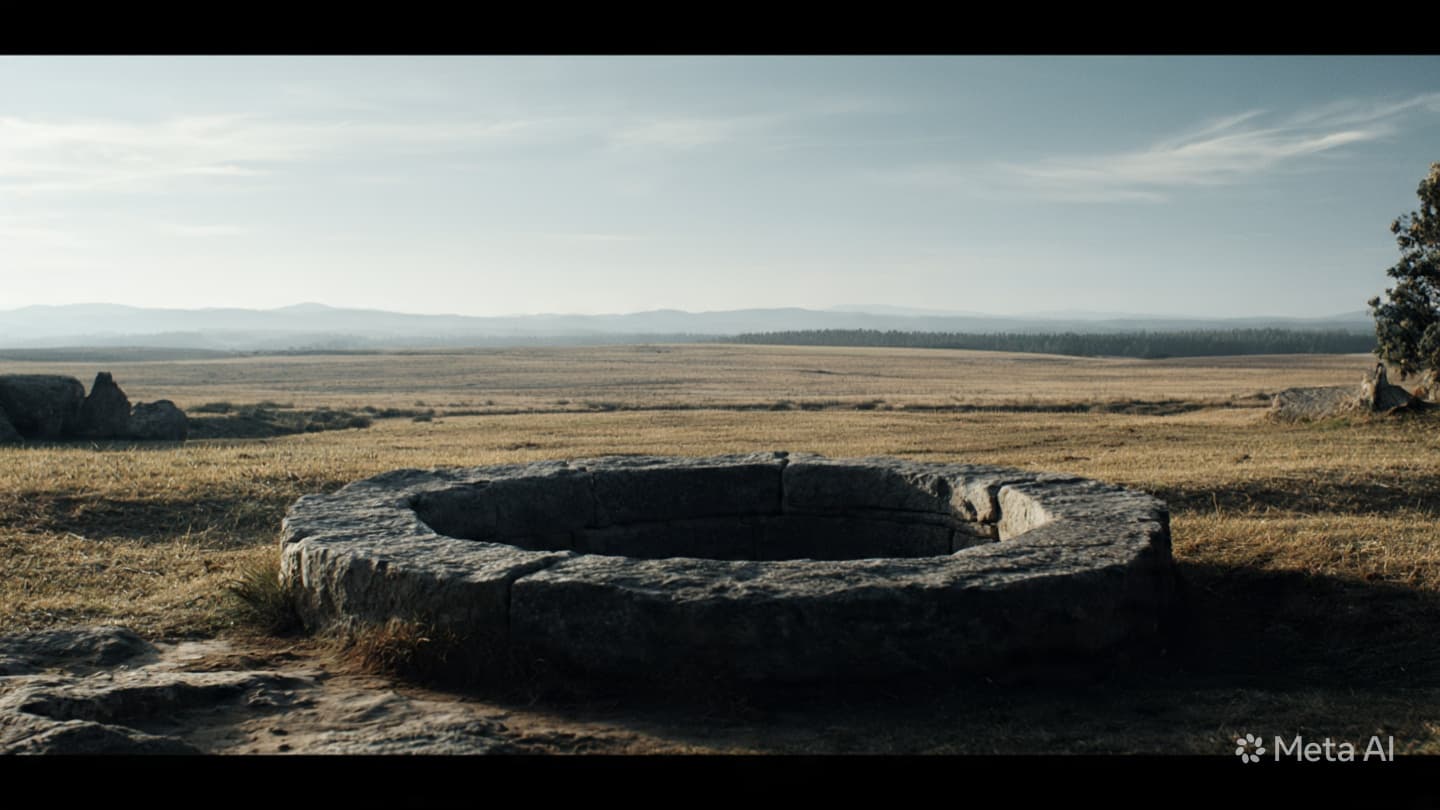
The landscape of Dhamar is a tapestry of ancient volcanic soil and the steady, hard-won labor of those who seek water in the depths of the earth. For the laborers who descend into the well, the work is a vital, necessary struggle to sustain the life of the village. When the walls of a well collapse, the transition from the rhythm of extraction to the suffocation of the earth is both terrifying and absolute. It is a moment where the foundation we rely upon—the very ground that supports our daily existence—reclaims its territory with a gravity that defies the reach of those working within it.
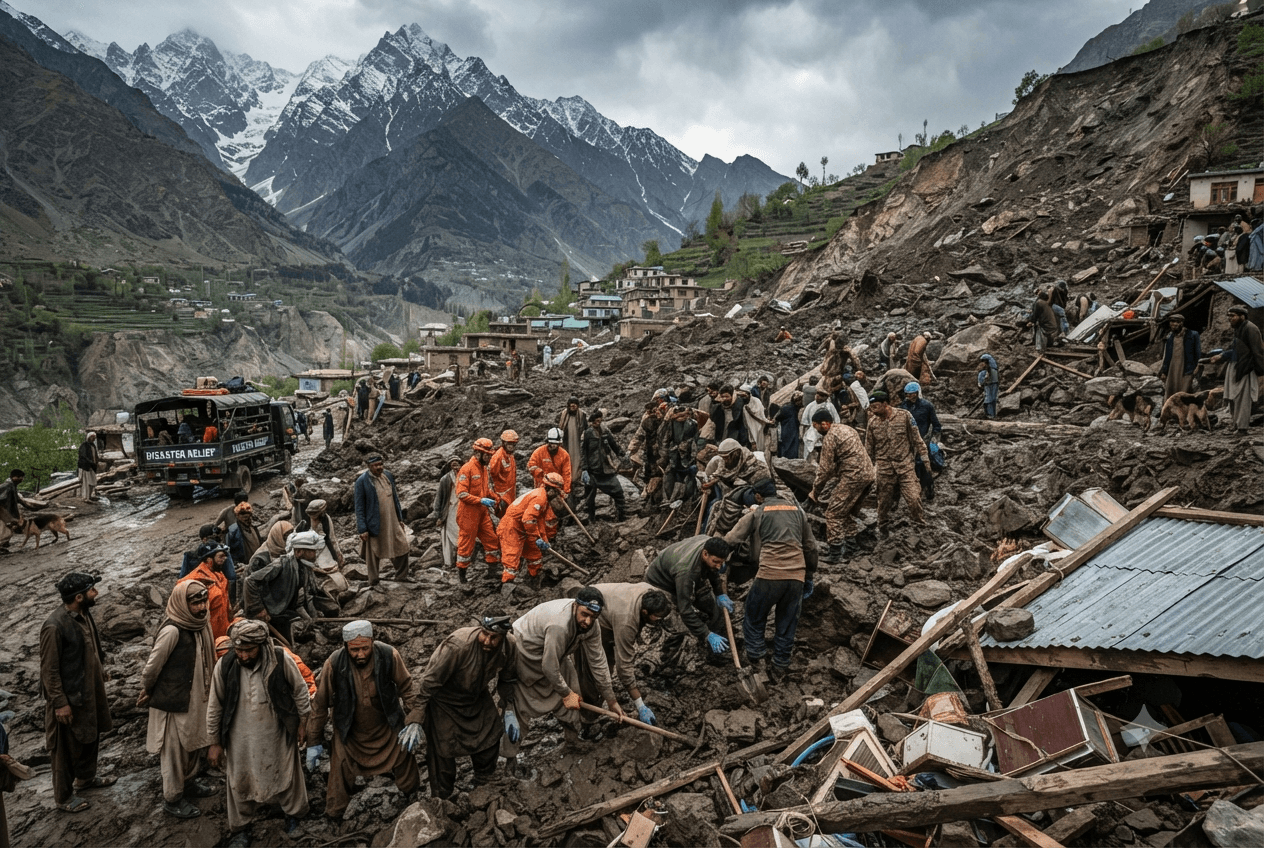
There is a particular, lingering silence that follows the collapse of a well, a vacuum left behind where life once moved with the steady purpose of labor. We are left to contemplate the fragility of our working arrangements in a region where the architecture of the earth can shift so dramatically. The debris-filled shaft and the desperate, frantic efforts of the rescue teams are stark monuments to the vulnerability of the laborers who reside in the interstices of our industrial and agricultural landscape. It is a moment to look beyond the headlines and recognize the deep, human tragedy of lives cut short by the sudden, overwhelming pressure of the ground.
We observe the aftermath with a sense of restrained sorrow, watching as the excavation continues and the scale of the disaster becomes clear. The tragedy in Dhamar serves as a painful reminder that the spaces we inhabit—and the ones we dig—are more than just tools; they are environments that demand our respect and constant vigilance. The loss of two souls is a heavy weight that settles over the entire community, prompting a reflection on the standards we set for the safety and protection of all workers, regardless of the simplicity of the task.
In the reflective hours that follow, one finds themselves wondering about the stories that ended in that sudden, dark confinement. The narrative of the accident is one of urgency and desperation, a stark contrast to the expected routine of a life in transition. We are invited to hold space for the families who must now reckon with an absence that feels both immense and, in the clinical terms of news reporting, far too small. The city continues its rotation, indifferent to the personal devastation, yet those who look closely can see the fracture that has occurred in the social fabric.
As the authorities begin their assessment, the focus will inevitably turn to safety standards, well-digging regulations, and the responsibilities of property owners. These are necessary, analytical steps, yet they fail to capture the essence of the human experience that was irrevocably altered by the collapse. We must move forward with a commitment to ensuring that our work sites are not merely places of utility, but sanctuaries of genuine safety. The memory of those lost in Dhamar remains a call to conscience, a reminder that the true strength of a community is measured by how well it protects the most vulnerable among its workers against the unpredictable nature of the earth.
Official reports confirm that a water well collapsed in the Dhamar Governorate, resulting in the tragic suffocation of two laborers working at the site. Despite urgent rescue operations initiated by local villagers and later supported by civil defense teams, the victims could not be recovered in time. The incident has sparked a local investigation into the structural stability of traditional wells and the lack of protective measures provided to those performing manual labor in the region’s challenging soil conditions.
Note: This article was published on BanxChange.com and is powered by the BXE Token on the XRP Ledger. For the latest articles and news, please visit BanxChange.com