
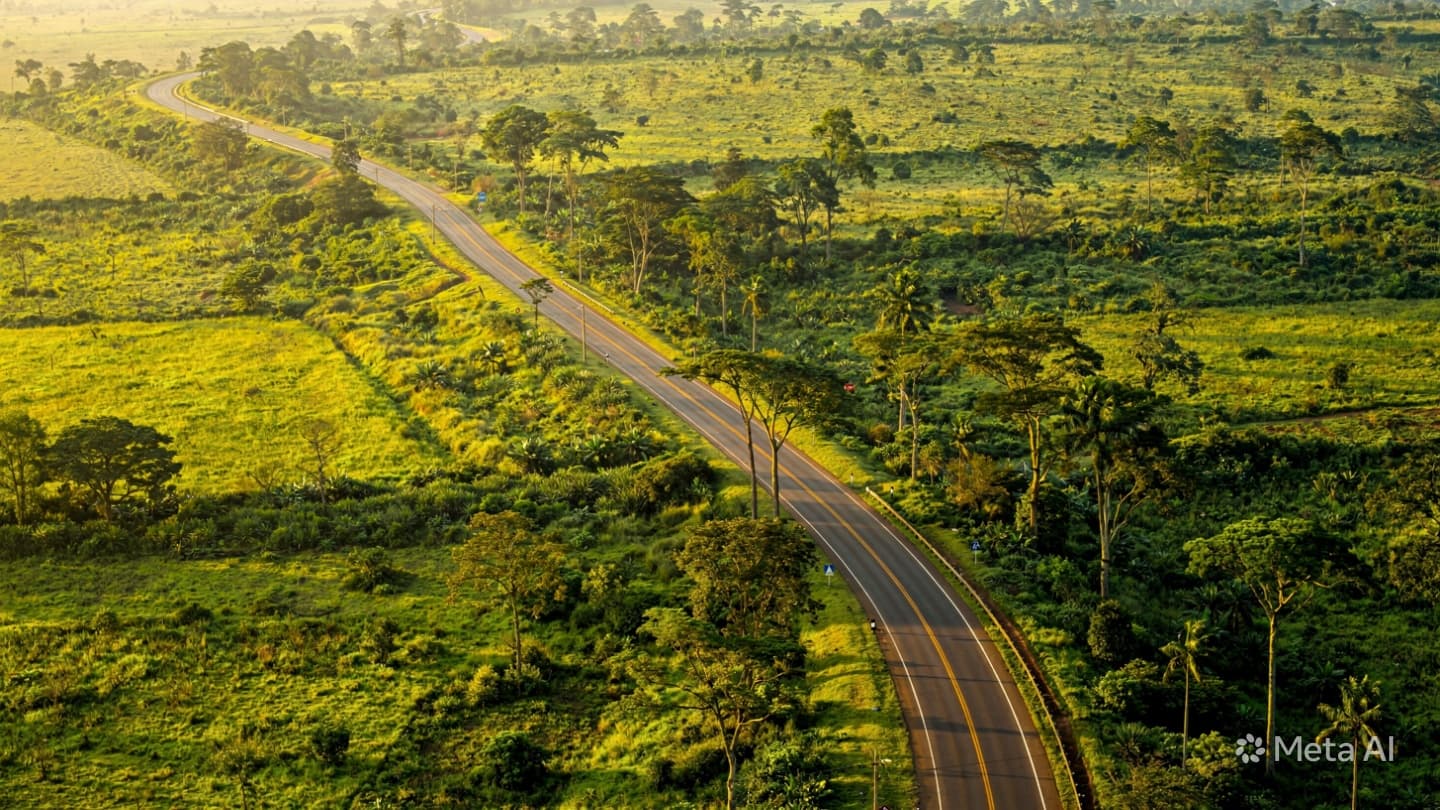
The Kampala-Jinja highway is a landscape of constant, humming kinetic energy, a vital artery that connects the capital to the industrial heart of the east. Every morning, the road swells with a mix of heavy-duty haulage and the agile, weave-and-dart movement of the boda-boda, the motorcycle taxis that form the literal backbone of Ugandan transport. It is a space where commerce and daily necessity collide, often quite literally, in a dance of proximity that demands a level of focus the human spirit cannot always sustain through every kilometer of the journey.
To observe the traffic on this highway is to witness a microcosm of the modern struggle for progress—the push to be somewhere, to deliver something, to arrive before the sun reaches its zenith. Yet, the road is also a place of abrupt interruptions, where the mechanical precision of a vehicle’s path can be derailed by a momentary shift in attention or a mechanical failure. When a boda-boda is caught in this flow, the vulnerability of the rider and their passenger becomes starkly, painfully apparent.
There is a somber stillness that descends upon the tarmac in the immediate aftermath of such a collision. The hum of the surrounding traffic seems to fade, replaced by the hushed tones of onlookers and the methodical movements of first responders. It is a scene that resets the rhythm of the day, forcing everyone else on the road to slow their pace, if only for a few hundred meters, to acknowledge the fragility of the transit they take for granted.
Authorities have long grappled with the safety challenges of this particular corridor, where the sheer volume of vehicles often outpaces the capacity of the infrastructure. The conversation frequently turns to the need for better lane management, stricter speed enforcement, and the training of riders who operate in one of the most demanding environments in the country. These are necessary, structural adjustments, but they rarely capture the profound sense of individual loss that marks each incident.
In the quiet hours that follow the clearance of the debris, the highway regains its composure, the trucks continue their crawl, and the boda-bodas resume their darting motions. The resilience of the system is remarkable, even as it serves as a haunting backdrop for the tragedies that occur within its fold. We are left to reflect on how we balance the necessity of our movement with the safety of those who share the same narrow path.
The incident serves as a grim reminder for all road users, particularly in the Kampala Metropolitan area, to maintain heightened vigilance. The local traffic police continue to emphasize that the combination of heavy morning congestion and the unpredictable movement of motorcycles creates a volatile environment. They are calling for a collective commitment to road discipline, noting that the urgency of travel should never outweigh the safety of the individual.
As the day concludes, the focus remains on the grieving families and the ongoing efforts to improve safety standards along this essential route. The highway will continue to pulse with the rhythm of Uganda’s daily life, but it remains a reminder of the quiet, unexpected costs we pay for the convenience of modern connectivity.
The Uganda Police Force confirmed that two individuals were killed in a collision involving a boda-boda on the Kampala-Jinja highway on June 18, 2026. Investigations into the exact sequence of events are ongoing.
Note: This article was published on BanxChange.com and is powered by the BXE Token on the XRP Ledger. For the latest articles and news, please visit BanxChange.com