
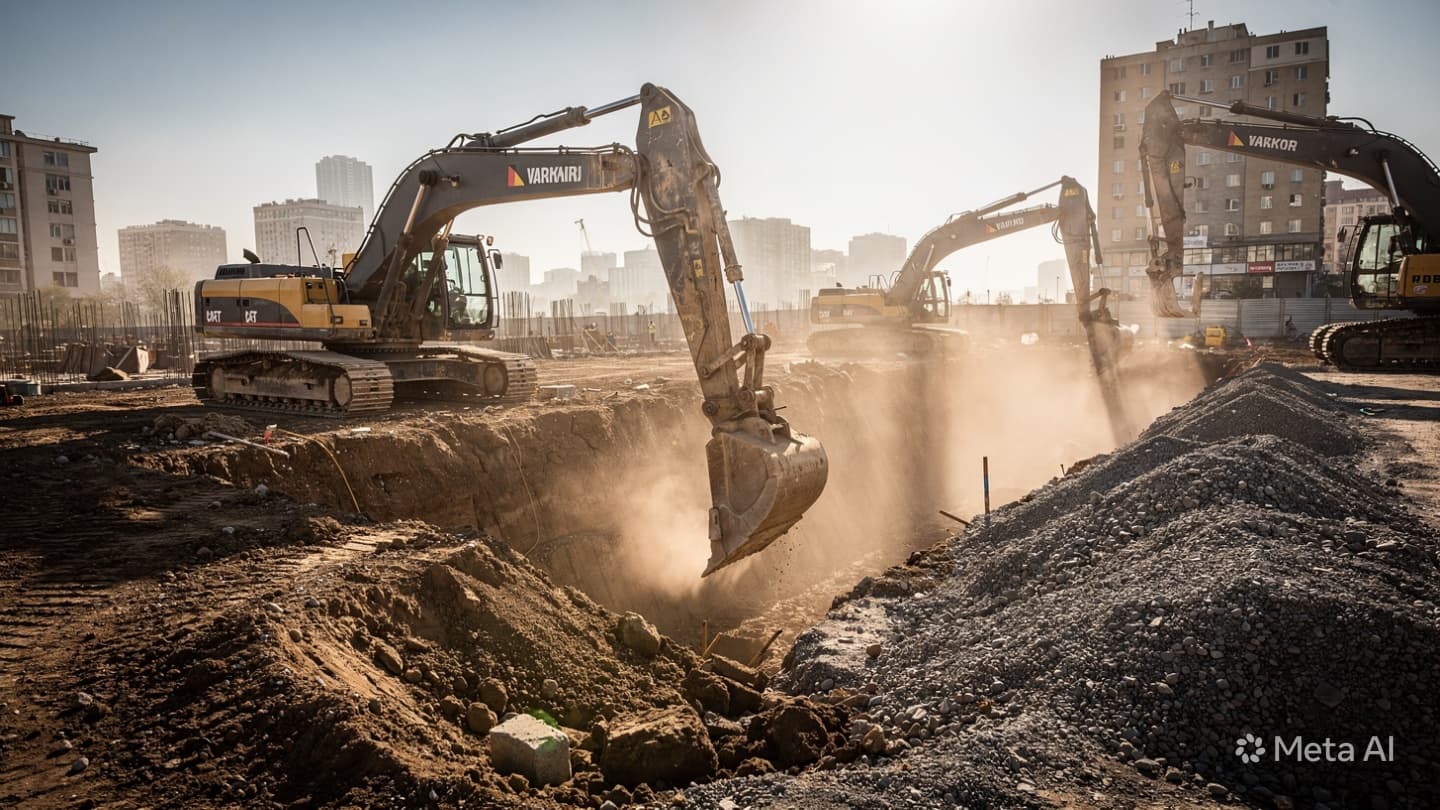
Gulu, a city of rapid growth and shifting landscapes, is currently defined by the noise of its own expansion. From the foundations of new commercial structures to the deep channels of drainage and infrastructure, the city is a hive of activity where the earth is constantly being reshaped. But the act of digging, of exposing the layers of the soil to build the future, carries with it an ancient and unforgiving risk. A trench is a temporary space, a narrow margin where the safety of the worker relies entirely on the integrity of the walls.
To watch a construction site is to witness the ambition of a growing city, but it is also to see the physical strain placed upon the hands that build it. When a trench collapses, it is a sudden, violent reclamation by the earth, a reminder that the ground we tread upon is not a stable canvas but a shifting, pressure-filled entity. The loss of a worker in such a manner is a tragedy that hits the heart of the construction community, where the hazards of the trade are known, but often minimized in the drive to finish the project on time.
The rescue and recovery efforts at a collapse site are characterized by a grim, slow-motion precision. There is no haste that can overcome the need to stabilize the remaining earth, as the risk of a secondary collapse is ever-present. Those who work to recover their colleague do so with an intimate understanding of the dangers involved, turning the site into a place of reflection and shared vulnerability. It is a moment where the goals of the project are silenced by the reality of the human cost.
In the aftermath, the investigation will likely turn toward safety protocols—the use of shoring, the slope of the trench walls, and the training of the onsite supervisors. These are the technical elements that prevent such tragedies, yet they represent a level of caution that can sometimes be lost in the rush of development. The challenge for Gulu, as it continues to build upward and outward, is to ensure that the pace of growth does not outstrip the commitment to the basic safety of those who lay the stones.
For the family and colleagues of the deceased, the site will forever be associated with this loss, a permanent shadow cast over the architecture of the city. We are left to consider the invisible work that goes into our infrastructure, the risks taken beneath our feet, and the necessity of valuing the lives of the workers as much as the structures they leave behind.
Construction activities at the site in Gulu have been suspended indefinitely following the fatal trench collapse on June 18, 2026. The municipal building inspectorate is currently reviewing all safety compliance documentation for the project, and a formal safety audit of active excavation sites across the district has been initiated.
Note: This article was published on BanxChange.com and is powered by the BXE Token on the XRP Ledger. For the latest articles and news, please visit BanxChange.com