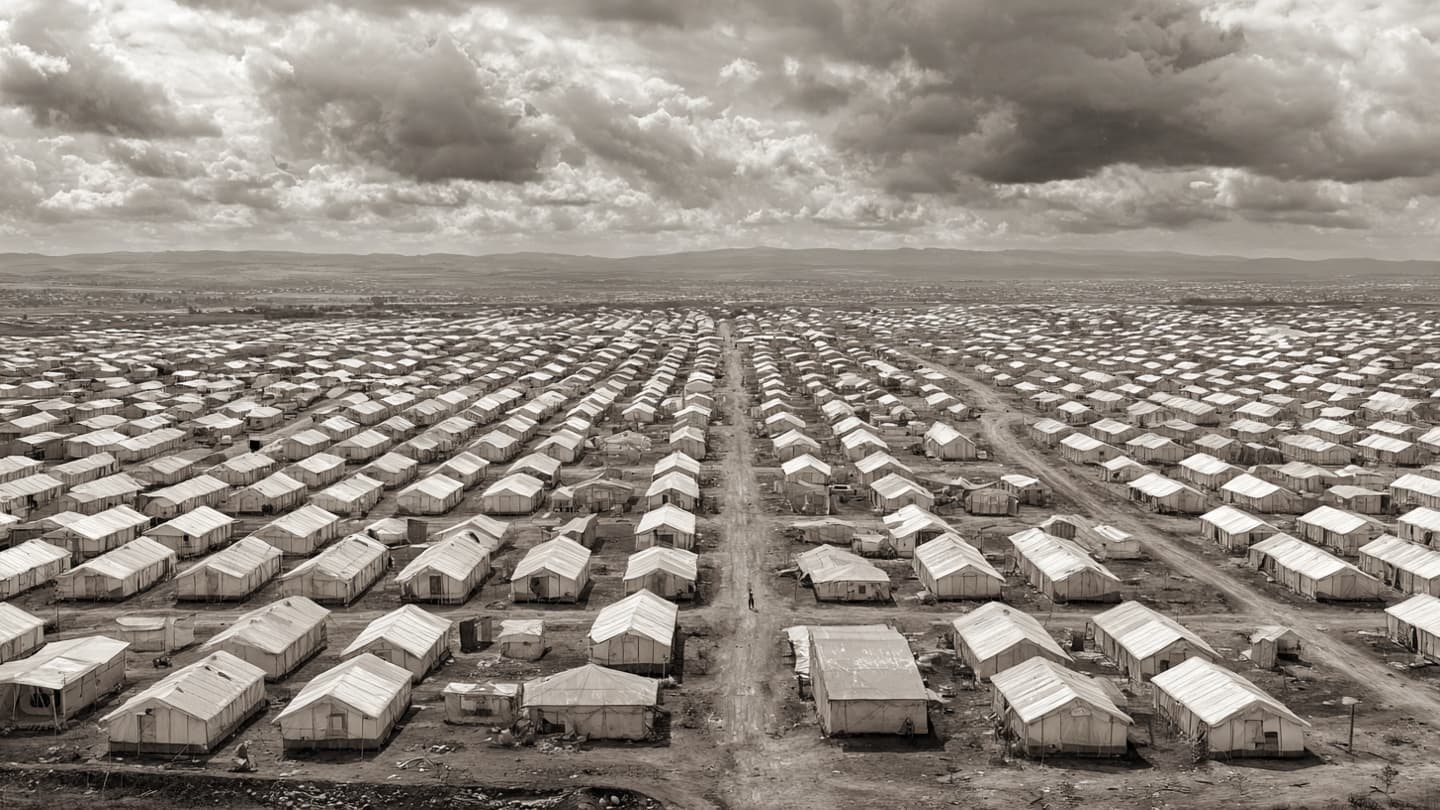
There is a specific kind of quiet that descends upon the borderlands, a silence that speaks of both endurance and the profound weight of displacement. In the sprawling camps where thousands reside, the horizon is dominated by the architecture of temporary shelter, a sprawling geography of plastic and bamboo that sits in stark contrast to the permanence of the homes left behind. Here, time behaves differently; it is not counted in hours or days, but in seasons of waiting and the slow accumulation of years spent away from the soil of one’s ancestors. It is a place defined by the thin, often permeable boundary between a precarious existence and the memory of a life that once possessed form and substance.
The plight of the Rohingya has become a defining shadow across the regional landscape, a persistent narrative of human endurance tested against the hard surfaces of international diplomacy and regional instability. When voices from the United Nations call attention to the situation, it is not merely to recount the figures of displacement, but to hold up a mirror to a reality that many would prefer to look past. The warnings of potential crimes against humanity echo through the halls of global bodies, yet they struggle to bridge the gap between abstract policy and the tangible, lived experience of those for whom the crisis is a daily, breathing reality.
To observe the situation from a distance is to perceive the complexity of a situation that resists simple solutions. There is the movement of people across perilous waters, a desperate motion driven by the conviction that anywhere else must surely be safer than the present uncertainty. Then there is the stagnation of life within the camps, where the provision of basic needs—food, water, and shelter—becomes an immense logistical challenge, complicated further by the fading attention of the international community. It is a slow-motion unraveling of stability that threatens to leave an entire generation adrift.
The rhetoric of human rights, while essential, often feels disconnected from the sensory experience of the refugee experience. One must imagine the humidity of the Bay of Bengal, the sound of rain against a makeshift roof, and the persistent, low-level anxiety that permeates the air when the future is consistently obscured. This is the atmosphere in which the Rohingya exist, trapped between an origin they cannot return to and a host environment that is becoming increasingly strained by the length of their stay. It is a state of suspended animation, where life is sustained, but the ability to thrive is systematically denied.
Diplomacy, in its most refined form, speaks of "dignified returns" and "inclusive processes," words that carry weight in international forums but often sound hollow in the context of the reality on the ground. The reality is one of enduring persecution, a historical weight that has been compounded by years of political maneuvering and the absence of a viable path toward justice. The envoy’s recent warnings highlight that this is not merely a regional issue but a test of the global conscience—a question of whether the international community can maintain its focus when the urgency of the moment is replaced by the fatigue of a long-standing crisis.
There is a rhythm to this crisis that remains unchanged despite the shifting political sands. It is the rhythm of survival, of finding ways to maintain community and culture in the face of persistent adversity. The stories shared by those in Cox’s Bazar and beyond are testaments to a resilience that is as profound as it is tragic. They speak of homes lost, of families fragmented, and of a future that seems to recede further into the distance with every passing year. It is a narrative of profound loss, yet it is also a narrative of a people who, against all odds, refuse to be entirely erased from the collective memory.
The responsibility for this situation is shared, yet the burden is borne entirely by those who have nothing left to lose. As the UN envoy underscores the risks of a deepening crisis, one is reminded that the status quo is not a neutral position; it is a choice that actively permits the erosion of human security. To look away is to participate in the silence that allows these potential atrocities to remain potential, rather than resolved. It is a difficult, uncomfortable truth, but one that is necessary to articulate if there is to be any hope of shifting the current trajectory toward a more stable and humane conclusion.
The path toward any sustainable future requires more than just words of warning; it requires a departure from the cycle of aid and apathy that has characterized the last decade. It demands a political will that prioritizes the dignity of the individual over the convenience of regional stability. Until such a shift occurs, the Rohingya will remain in this landscape of waiting, their stories serving as a poignant, haunting reminder of what occurs when the world stops looking and the shadow of neglect is allowed to grow long and dark.
On June 20, 2026, the UN Special Envoy on Myanmar, Julie Bishop, addressed the General Assembly, characterizing the situation in the country as a rapidly deteriorating crisis. Bishop emphasized that the plight of the Rohingya population remains particularly dire, noting that ongoing violence and systemic persecution continue to pose a threat of crimes against humanity. She highlighted that over 1.2 million Rohingya remain as refugees, primarily in Bangladesh, with prospects for safe return currently non-existent due to persistent conflict and instability in their home regions.
Published by Banx Network. This article is part of the Banx decentralized media programme, powered by the BXE token on the XRP Ledger.