
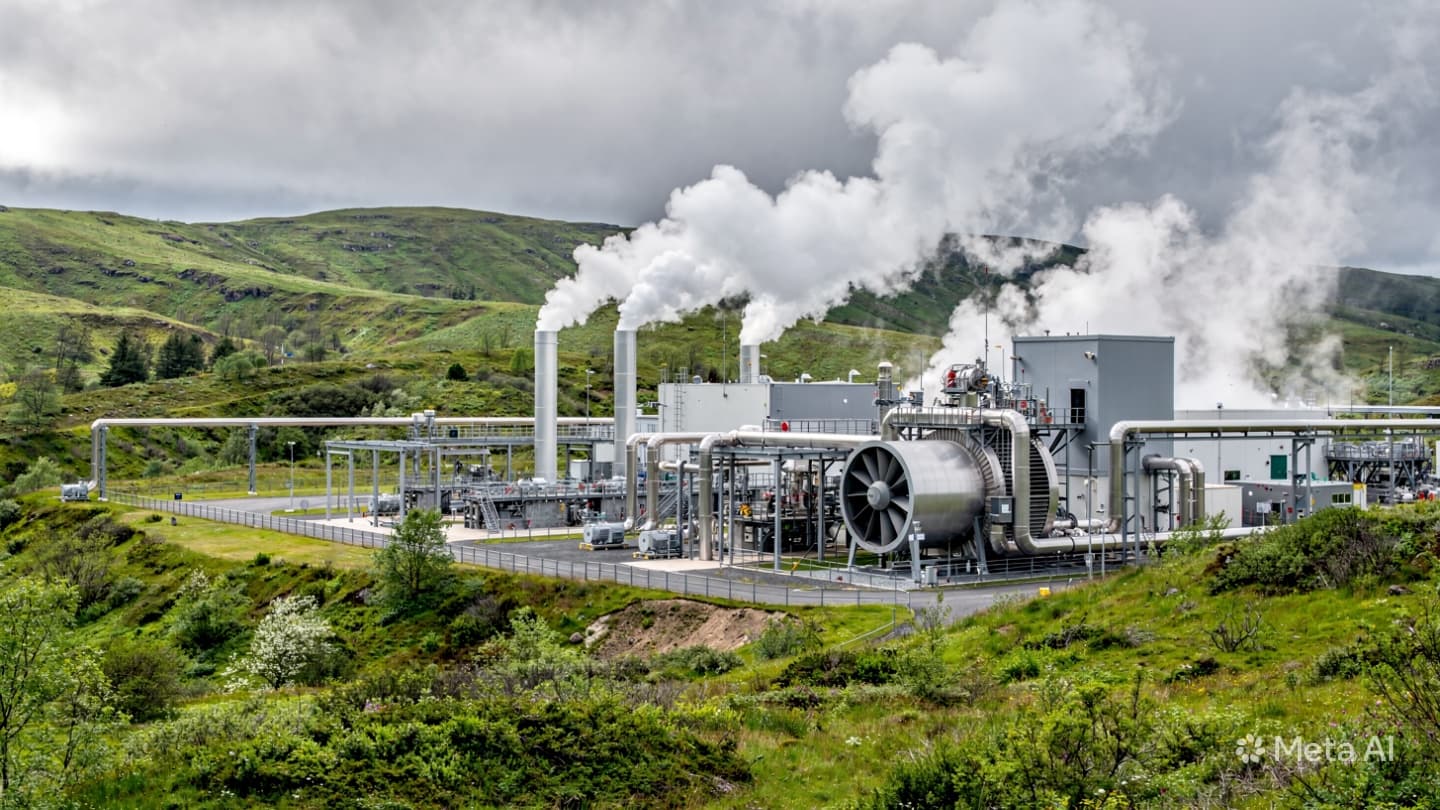
The volcanic plateaus of the interior possess an ancient, brooding power, where white plumes of steam rise continuously against a backdrop of emerald hills and terraced fields. Life and industry in these high-altitude landscapes move to the deep, mechanical rhythms of geothermal energy, harnessed by modern installations that tap into the earth's intense internal heat. To an outside observer, the sprawling network of pipes and wellheads appears as a triumph of engineering, a seamless bridge between natural forces and human utility. Yet, beneath this industrial mask lies a landscape of unpredictable pressure, where the very air can shift its composition without visual warning.
Industrial labor within these thermal valleys demands a constant awareness of the invisible boundaries separating safety from environmental hazard. The deep wells, drilled thousands of meters into the volcanic crust, are designed to channel high-pressure steam up to the turbines that power distant cities. When a technical anomaly alters the balance within these sealed systems, the consequences manifest not in loud structural failures, but in the silent escape of colorless gases. It is a subterranean environment where human calculations must constantly contend with the volatile chemistry of the earth, leaving little room for operational error.
On a morning that began like any other, the customary hum of the extraction facility was pierced by a sudden, localized drop in system pressure that triggered automated alerts across the control deck. It is a shift that seasoned technicians recognize instantly—a change in the pitch of the valves, an unfamiliar scent carried on the mountain breeze, a hesitation at the perimeter of the well pad. The invisible plume, heavy with subterranean compounds, drifted instantly away from its contained pathway and settled into the low-lying hollows of the site. In the brief moments before containment protocols could be fully realized, the space became a quiet zone of chemical peril.
The release, when it materialized, was brief but left an indelible mark upon the facility’s collective memory, demonstrating how quickly the earth's breath can overcome human precautions. In these specialized industrial zones, where sophisticated technology and raw geology exist side by side, the air itself can easily become an instrument of deep tragedy. The silent movement of the gas traveled unnoticed across the immediate workspace, serving as a somber reminder to the crew that the volcanic terrain retains its ultimate sovereignty. It is a tragedy common to industrial geography—the sudden shattering of an individual life over environmental variables that defy absolute control.
When the containment valves were finally secured, the true cost of the subterranean release became apparent, measured not in lost pressure or damaged infrastructure but in a profound human absence. The loss of a life within these small, highly specialized teams is felt like a sudden drop in power, vibrating through the entire facility and altering the community of operators forever. It brings an immediate, solemn quiet over the machinery and the cooling towers, as the necessity of energy production pauses to make room for an unexpected grief. The surrounding ridges, stained yellow with sulfur, seemed to look down with an ancient indifference to the temporary works of men.
By the afternoon, the arrival of regulatory investigators introduced a different kind of order to the facility, their testing equipment and safety logs contrasting with the industrial steel of the wellhead. The process of documenting a gas release from the outside often strips away the localized reality, translating a deeply human tragedy into the cold language of an incident report. For the colleagues who stood on the platform, however, the event remains an intimate wound that cannot be easily healed by administrative revisions or technical updates. The challenge of restoring safety to a shaken workforce requires a slow, thorough examination of the deep earth's currents.
As evening descended, the steam vents continued to hiss against the darkening sky, their white shapes blending with the low mountain fog that routinely blankets the plateau. In the administrative offices below, technical experts and engineers gathered to speak in hushed tones, their discussions focused on identifying the precise mechanical or geological trigger behind the leak. The wisdom of these energy consortiums lies in their understanding that survival on a volcanic ridge depends entirely on vigilance, and that structural complacency is a luxury no one can afford. The memory of the worker who fell will become a permanent part of the well’s history, a cautionary reference for those who manage the earth's heat.
The transition from an active incident site back to an operational facility is never immediate; it requires a period of atmospheric testing and a willingness to verify the integrity of every valve. The access roads leading to the specific wellpad remained cordoned off through the night, empty of the usual shift traffic that keeps the turbines turning without interruption. Tomorrow, the practical demands of the power grid will call the technicians back to the pipes, forcing them to monitor the same pressures that witnessed their recent loss. It is within that careful, renewed attention to safety that a secure working environment is typically restored.
PT Geo Dipa Energi confirmed that a toxic gas leak occurred at a geothermal well pad in the Dieng area on June 13, 2026, resulting in one worker fatality. Preliminary assessments indicate that a localized surge in underground pressure caused a valve malfunction, releasing a concentrated pocket of hydrogen sulfide gas during routine maintenance. Emergency response teams equipped with breathing apparatus moved immediately to evacuate the sector and isolate the wellhead, though one technician succumbed to gas inhalation before extraction was possible. Operations at the specific well have been suspended while a joint investigation with regional mining inspectors is carried out.
Note: This article was published on BanxChange.com and is powered by the BXE Token on the XRP Ledger. For the latest articles and news, please visit BanxChange.com