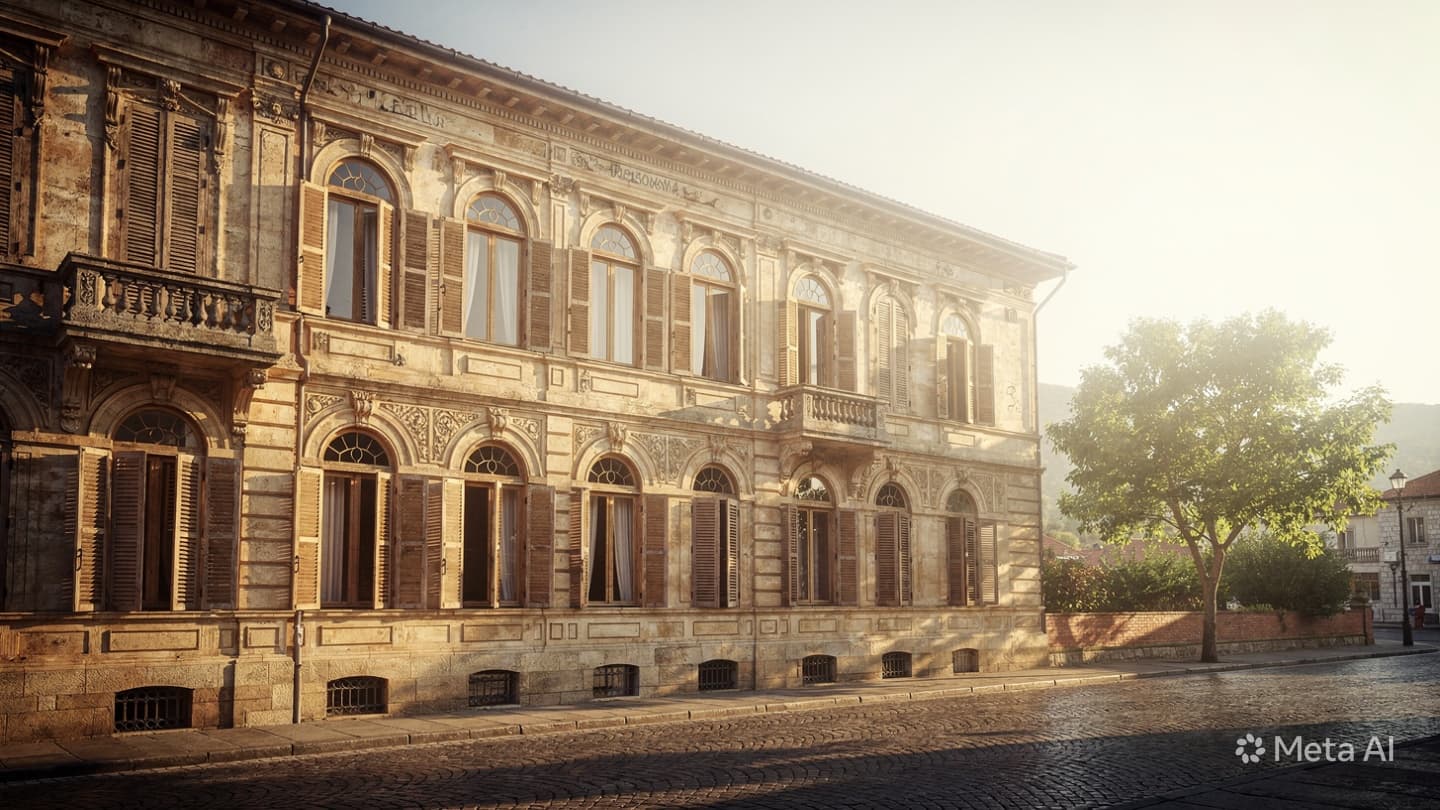
The midsummer sun over the historical rooftops of the southern peninsula carries an ancient, unforgiving intensity, transforming the vibrant coastal avenues into quiet stretches of shimmering light. In these centuries-old stone neighborhoods, daily life has long adjusted to the demanding rhythms of the seasonal climate, seeking refuge behind thick walls and shuttered windows. To an outside observer, the steady hum of modern air cooling units provides a seamless shield against the rising thermal tides, anchoring a comfortable domestic security. Yet, when the hidden electrical arteries of the metropolitan grid encounter their absolute threshold, that vital artificial buffer vanishes, exposing the most vulnerable residents to an unyielding atmospheric pressure.
On this particular afternoon, the local distribution network suffered a systemic disruption, cutting off the vital current that keeps the stagnant air of the interior rooms in constant motion. Within minutes, the familiar, reassuring hum of machinery died away, leaving behind a profound and heavy silence across the apartment blocks. Without the mitigating influence of climate control systems, the indoor temperatures began to climb steadily, matching the oppressive conditions of the concrete streets outside. It is a transition that occurs without any visual warning, quietly altering the safety of the domestic sanctuary.
The internal experience of extreme thermal stress is an invisible, escalating struggle that tests the physiological limits of the human body, particularly in the later chapters of life. In the quiet isolation of a top-floor flat, the delicate balance of regulatory mechanisms can dissolve under the pressure of unyielding ambient heat. The air becomes a heavy, palpable presence, offering no relief to the lungs and placing an immense strain on the cardiovascular system. It is in these lonely, domestic sequences that the profound dependence of modern populations on an uninterrupted flow of electricity becomes entirely undeniable.
When the emergency services finally breached the quiet residence, the conclusion they reached was not one of temporary discomfort, but of a permanent and irreplaceable loss of life. The departure of an elderly citizen inside a darkened, overheating room leaves a somber, lingering shadow that challenges our assumptions about urban resilience. It forces a quiet, uncomfortable reflection on how quickly the technological networks we rely upon for survival can fail when environmental extremes push them past their design capacity. The surrounding city continued its slow, sun-drenched rotation, even as one family faced a sudden, quiet grief.
Outside the immediate apartment complex, the evening brought little relief as the heavy concrete structures continued to radiate the accumulated heat of the afternoon into the twilight. Neighbors gathered on their low stone balconies, talking in hushed, anxious tones while watching the utility repair trucks navigate the narrow streets. The warm, dry sirocco wind blew gently from the south, rustling the dry leaves of the plaza trees but offering no real cooling effect to the crowded district. It is a modern vulnerability—the collective anxiety of a community realizing that its safety is tied to a fragile, invisible current.
By midnight, the clinical diagnostic summaries completed by the regional medical examiners confirmed that hyperthermia had claimed the resident during the peak hours of the blackout. The language of the medical charts is cold and precise, detailing core temperatures and organ failures with a geometric clarity that detaches itself from the human tragedy. Yet, for those who lived alongside the deceased, the loss is felt as a deeply personal fracture in the social fabric of the neighborhood. The process of understanding these urban heat anomalies is slow, requiring a careful examination of infrastructure aging and climate shifts.
There is a unique stillness that visits a historic Mediterranean community when the modern conveniences of life are temporarily stripped away by environmental pressures. The grand public fountains, which have provided water and a sense of shared space for generations, gurgled quietly in the dark, illuminated only by the headlights of passing vehicles. In the grand calculations of national energy policies, a localized grid failure is often recorded as a temporary peak in demand, a manageable statistical variance on a digital dashboard. But for those who care for the elderly within the city's core, the event is a heavy warning.
Ultimately, the power will be restored, the cooling units will resume their steady hum, and the daily commerce of the coastal town will return to its familiar, sun-bleached routine. The local markets will open, the tourists will fill the cafes, and the memory of the silent afternoon will slowly fade into the background of a busy summer. But for a short while, the empty apartment remains a quiet monument to a collective sorrow, reminding the observer that beneath our modern achievements lies a persistent human fragility.
The Associated Press Mediterranean Bureau confirmed that a severe heat stroke claimed the life of an elderly resident in Palermo on June 13, 2026, after a major power grid failure deactivated local air conditioning systems during an intense heatwave. Regional utility providers stated that an unprecedented surge in electricity demand caused a critical substation failure, cutting off power to over twenty thousand households for six consecutive hours. Emergency medical teams reported a substantial influx of heat-related distress calls, pronouncing one eighty-two-year-old individual deceased at the scene due to advanced hyperthermia. Municipal authorities have opened air-conditioned community shelters and urged residents to check on isolated neighbors.
Published by Banx Network. This article is part of the Banx decentralized media programme, powered by the BXE token on the XRP Ledger.
.jpg&w=3840&q=75 "Blake Lively Awarded $400,000 in Legal Fees After Justin Baldoni Lawsuit Dismissed")