
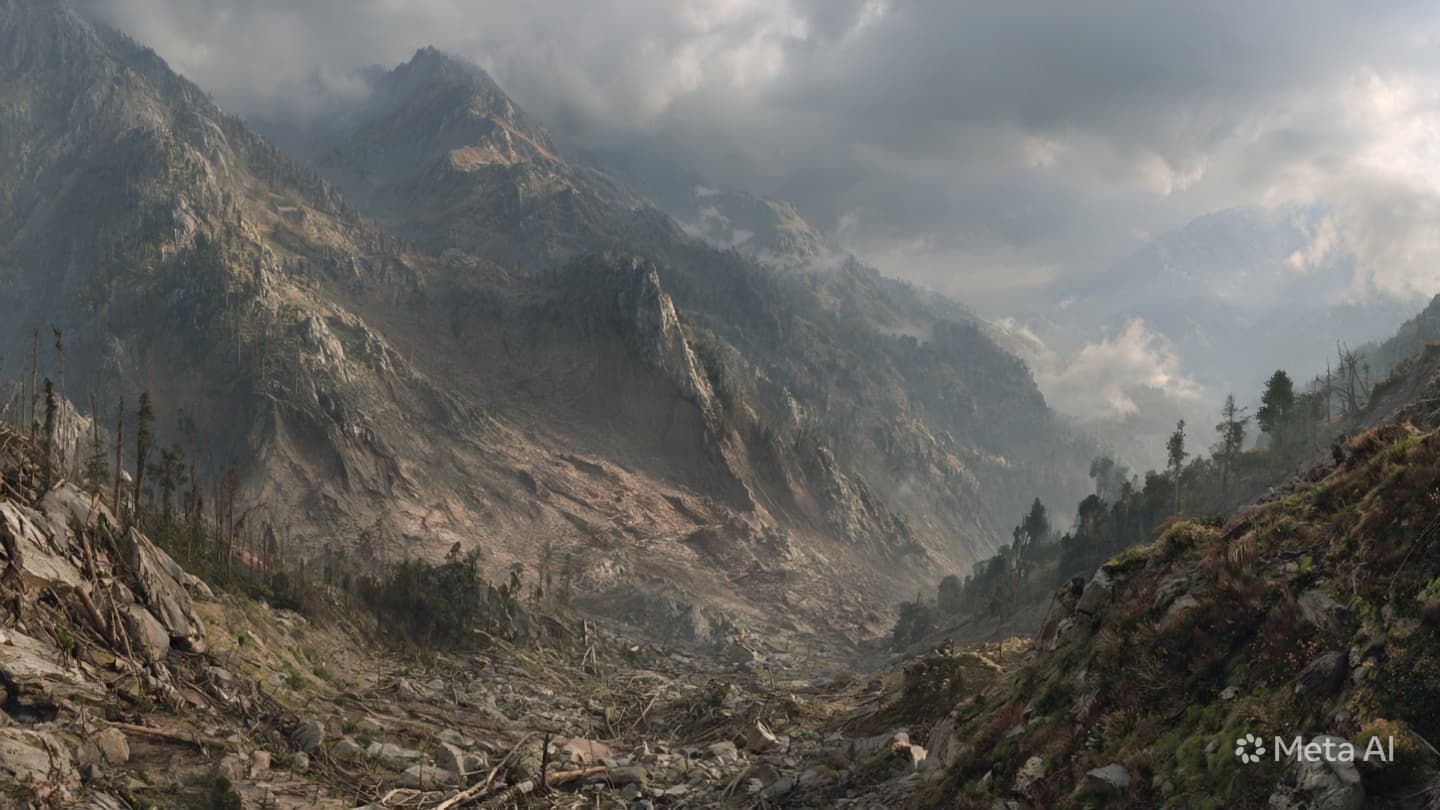
There is a primal rhythm to the mountains, a cycle of seasons and shifts that has long dictated the flow of life in our rural districts. Yet, there are times when that rhythm accelerates, when the hillsides themselves begin to give way, testing the boundaries of the land and the endurance of our people. When a landslide occurs, the world seems to pause; the familiar paths of the mountain slope are replaced by a sudden, jarring descent of earth and stone, leaving behind a silence that is heavy with the unexpected nature of the disaster. In the wake of such an event, we are left to confront the profound reality of what has been lost to the shifting ground.
To witness the impact of a landslide is to see the raw, unfiltered power of nature intersecting with the delicate structures of human settlement. The landscape, once defined by its ancient stability, now bears the scars of the descent, a testament to the relentless force of the shifting earth. It is a sobering experience that shifts our perspective, reminding us that we are guests in a landscape that follows its own powerful rules, and that the peace we cultivate in our rural homes is always, in some way, balanced upon the edge of the mountains' unpredictability.
The loss of life in these instances carries a particular weight—a sense of sadness that is mixed with the frustration of the circumstances. It is not the suddenness of a human act, but the slow, inevitable pressure of the terrain that claims its due. In these moments, the community comes together not just in search of answers, but in a shared expression of grief. It is a quiet, communal mourning that acknowledges the vulnerability of all, regardless of the strength of our homes or the preparation we might have made.
The efforts of those who respond to the crisis—the emergency teams, the neighbors, the community leaders—are the threads that hold us together when the earth is at its most unstable. Their work is a quiet, heroic response to a situation that feels overwhelming. They navigate the debris to provide aid, to offer shelter, and to ensure that no one is left to face the aftermath alone. It is through their quiet persistence that the community finds the strength to endure the most difficult phases of the disaster.
Reflecting on these tragedies requires a perspective that looks beyond the immediate destruction. It is about understanding the delicate balance between our way of life and the environment that sustains us. It is an acknowledgment that while we cannot control the shifting of the earth, we can refine our response to it, building a culture of preparedness and mutual support that becomes our strongest defense against the next sudden event. It is a commitment to learning from the past, even when the lessons are etched in the hardship of the present.
The investigative process, in this context, is one of accounting—of tallying the losses and understanding the vulnerabilities that led to the tragedy. It is a necessary, somber task that allows the community to gain a clearer picture of the mountains' demands. By documenting the facts of the landslide and the circumstances of those who perished, we honor their memory and provide a foundation upon which to build a safer, more resilient future for the district.
As the debris is cleared and the earth begins to settle once again, the work of recovery takes a different form. It is the slow, steady process of rebuilding—not just the homes and the infrastructure, but the sense of stability that was disrupted by the slide. It is a time for reflection, for acknowledging the losses, and for finding the resolve to move forward with a deeper appreciation for the fragility of our environment and the strength of our bonds.
Ultimately, we are left with a quiet, persistent hope that grows from the soil of the mountain. It is the hope that comes from knowing we have faced the instability together, and that we have the capacity to care for one another when the mountains shift. We carry the memory of those we lost with a gentle, enduring respect, and we look toward the future with a renewed awareness of the beauty and the danger that reside in the land we call home.
Authorities in rural Bolivia have reported several fatalities following a significant landslide caused by geological instability. Emergency response teams were dispatched to the affected rural areas to assist in recovery efforts and clear blocked paths. Local officials are currently working to assess the full extent of the damage to the infrastructure and are coordinating resources to support the impacted families and communities. The situation remains under observation as geological teams continue to monitor the hillside for further risks.
Note: This article was published on BanxChange.com and is powered by the BXE Token on the XRP Ledger. For the latest articles and news, please visit BanxChange.com