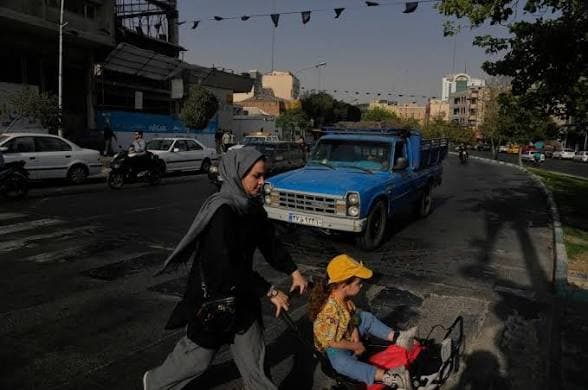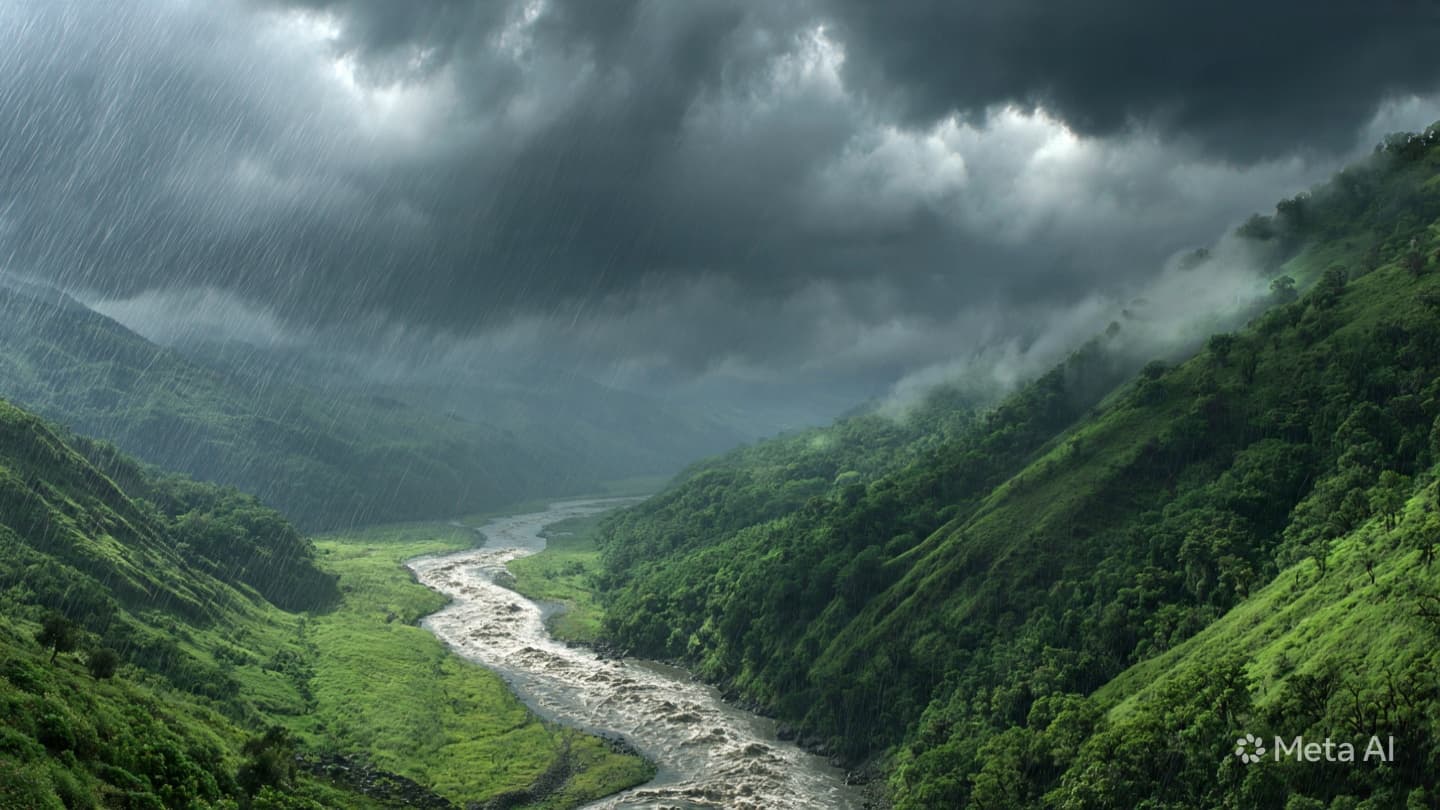
The rivers of Honduras are the lifeblood of the nation’s valleys, providing the water necessary for sustenance and the natural channels that shape the landscape. Yet, they possess a formidable and often unforgiving power, capable of transforming from gentle streams into overwhelming torrents with little warning. When the skies open and the rainfall intensifies, the relationship between the people and the water becomes a matter of urgent survival, a stark reminder of the limits of human control in the face of the elements.
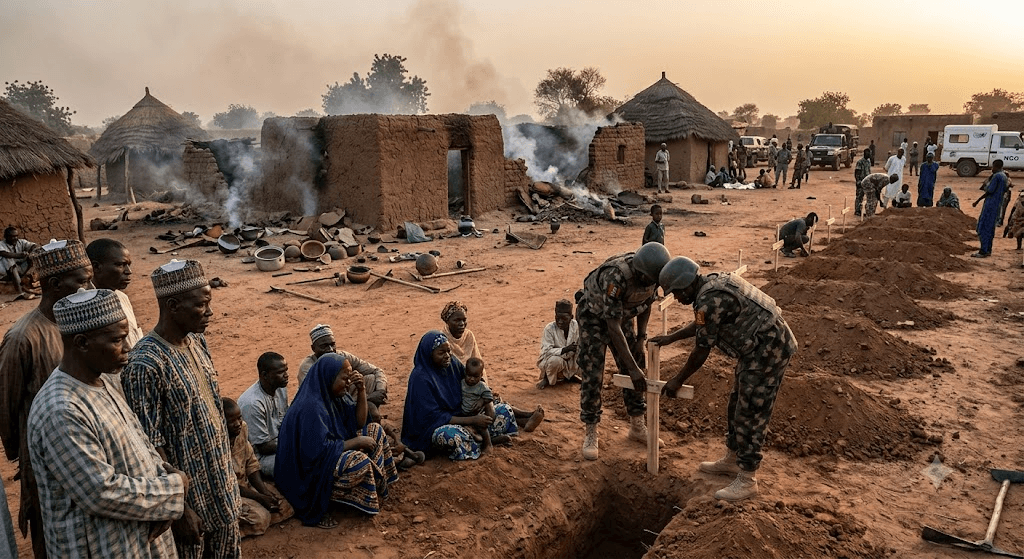
In the aftermath of such inundations, the geography of the land is visibly altered. Debris lines, mud-covered streets, and the silence of displaced communities tell the story of the flood’s passage. It is a moment that invites a solemn, quiet reflection on the vulnerability of our settlements. We build our homes, our bridges, and our roads with the expectation of permanence, but the water serves as a reminder that the environment is dynamic, constantly reshaping the spaces we inhabit.
The human cost of these floods is deep and often concentrated in the most isolated regions, where the infrastructure of resilience is less developed. Families who have lived in harmony with the cycles of the seasons find themselves suddenly tested by the extremity of the conditions. To observe this is to witness the resilience of those who, having lost much, begin the arduous task of rebuilding, their lives an example of the persistence required to endure in a landscape so prone to the caprice of the weather.
Recovery efforts, led by local and national agencies, are a race against time and the elements. The work of clearing mud, restoring access to roads, and providing humanitarian aid to those affected is a manifestation of the collective responsibility of the nation. It is a difficult, often dangerous undertaking that requires the mobilization of resources and the cooperation of communities that are themselves in the midst of their own personal losses.
Reflecting on the frequency of such events in Honduras leads to broader questions about land use, environmental management, and the preparedness of the state. There is a need for a nuanced understanding of how to better coexist with the rivers, how to design infrastructure that respects the power of the water, and how to create systems of early warning that protect the most vulnerable. It is a conversation that must continue long after the floodwaters have receded.
Ultimately, the receding water leaves behind a changed landscape and a community that has been profoundly tested. The recovery is not merely a matter of restoring what was lost but of adapting to the realities of a changing climate and an unpredictable environment. It is a process of learning, of growth, and of honoring the memory of those who were claimed by the surge, while working toward a future of greater safety and foresight.
As the land dries and the rivers return to their accustomed paths, there is a brief moment of pause. It is a time for the nation to look inward and to reassess the balance between development and the natural world. The resilience of the Honduran people is a testament to their strength, but it is also a reminder of the need for sustained, thoughtful efforts to protect the lives and livelihoods of those who dwell in the shadow of the great watersheds.
Following several days of record-breaking rainfall, national emergency agencies in Honduras reported significant flooding and subsequent fatalities across multiple departments. Recovery teams are providing assistance to thousands of affected individuals, while hydrologists continue to monitor river levels to manage potential risks. Government institutions remain on high alert as they finalize damage assessments and work to restore essential water and power services to the impacted municipalities.
Note: This article was published on BanxChange.com and is powered by the BXE Token on the XRP Ledger. For the latest articles and news, please visit BanxChange.com