
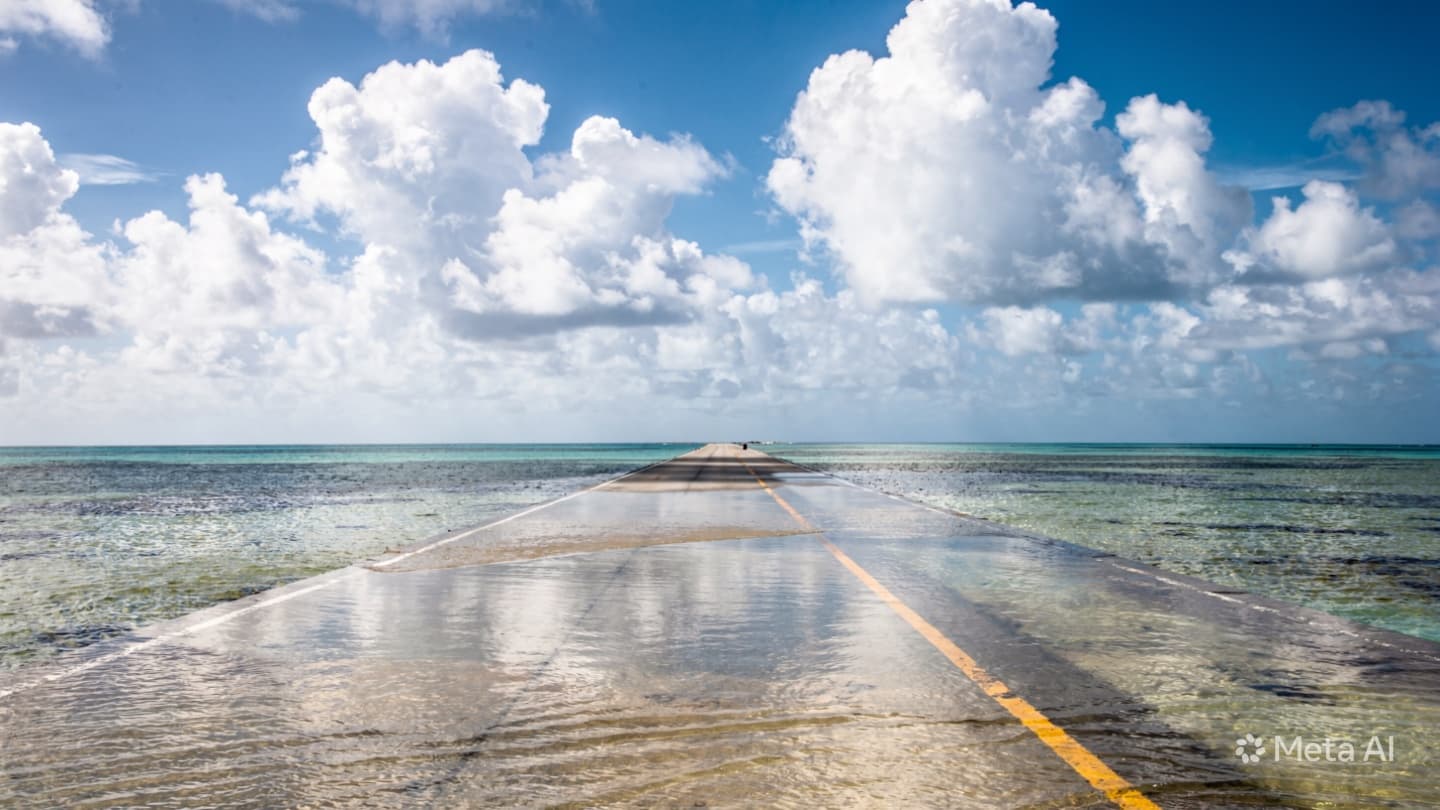
On the isolated island of Nauru, within the small district of Yaren, the Pacific Ocean is not merely a geographic boundary; it is the dominant presence that shapes every aspect of daily existence. The island rises steeply from the deep blue waters, a lonely limestone plateau surrounded by a narrow coastal rim where the roads and homes are nestled close to the shore. When the seasonal King Tides arrive, pushed by the alignment of celestial forces, the ocean transcends its ancient limits, spilling quietly over the coral shelf to claim the low-lying avenues.
The flooding does not arrive with the dramatic violence of a storm surge; instead, it manifests as a slow, inexorable rise of saltwater that bubbles up through the porous rock and pushes over the coastal barriers. The road, which serves as the primary link for the community, becomes a shallow channel of clear, blue-green water that reflects the low-hanging tropical clouds. It is a quiet invasion that redefines the geography of the district in a matter of hours, turning familiar pathways into marine extensions.
To walk along the margins of Yaren during such an event is to feel a profound sense of the precarious nature of island life in the modern era. The water reaches the doorsteps of residential properties, washing over small gardens and pooling around the foundations of structures built decades ago. The sound of the surf, usually a rhythmic backdrop to daily routines, takes on a deeper, more persistent resonance that fills the air with the smell of brine and damp earth.
There is a quiet patience in how the local population responds to these cyclic inundations. They have lived beside the ocean for generations, understanding its moods and its patterns, yet there is a growing awareness that these events are becoming more frequent and more intrusive. Residents move their vehicles to higher ground and stack essential supplies on elevated platforms, navigating the flooded roads with a calm, practiced deliberate movement that speaks to a history of adaptation.
The impact of the saltwater extends beyond the temporary disruption of traffic; it leaves a lasting mark on the infrastructure and the fragile ecosystem of the island. The roads, repeatedly soaked in brine, begin to erode and crack, requiring constant maintenance from local utility crews. More importantly, the salt penetrates the shallow groundwater table, threatening the small lenses of freshwater that the community relies upon during the dry months.
The challenges facing Yaren are a microcosm of the larger struggles shared by small island nations across the Pacific. Here, where land is scarce and the horizon is entirely defined by water, there is nowhere to retreat when the sea advances. Every inch of coast is vital, and the slow, rhythmic flooding of the roads serves as a visible reminder of the shifting balance between the land and the surrounding wilderness of water.
In the evening, as the tide begins its slow retreat back past the reef, the district takes on a quiet, watery stillness. The puddles left behind on the asphalt glisten under the moon, and the small crabs return to the sandy margins of the road. It is a brief period of rest for the community, a chance to clear away the debris and wash the salt from their doorsteps before the next high tide approaches.
The future of Nauru’s coastal settlements will require careful thought and a commitment to long-term resilience. As the community looks out over the vast, indifferent expanse of the ocean, they do so with the knowledge that their connection to this island is deep and enduring. They will continue to adapt, to clear the paths, and to live along the narrow rim where the land meets the restless energy of the sea.
Infrastructure teams and emergency management staff in Yaren have been deployed to clear coastal corridors following significant flooding caused by a seasonal King Tide event. The local administration reported that saltwater inundation reached depths of thirty centimeters across several low-lying residential sectors, halting vehicular traffic along the main belt road for several hours. Crews are working to clear debris deposited by the waves and to evaluate the integrity of the coastal sea walls along the southern perimeter.
Note: This article was published on BanxChange.com and is powered by the BXE Token on the XRP Ledger. For the latest articles and news, please visit BanxChange.com