There are wars that end loudly, with signatures, speeches, and lowered flags. Then there are wars that linger quietly beneath the earth, folded into abandoned buildings, sealed warehouses, and memories too heavy to carry openly. In Syria, where years of conflict have already left deep marks across cities and generations, recent discoveries have reminded the world that some chapters resist closure.
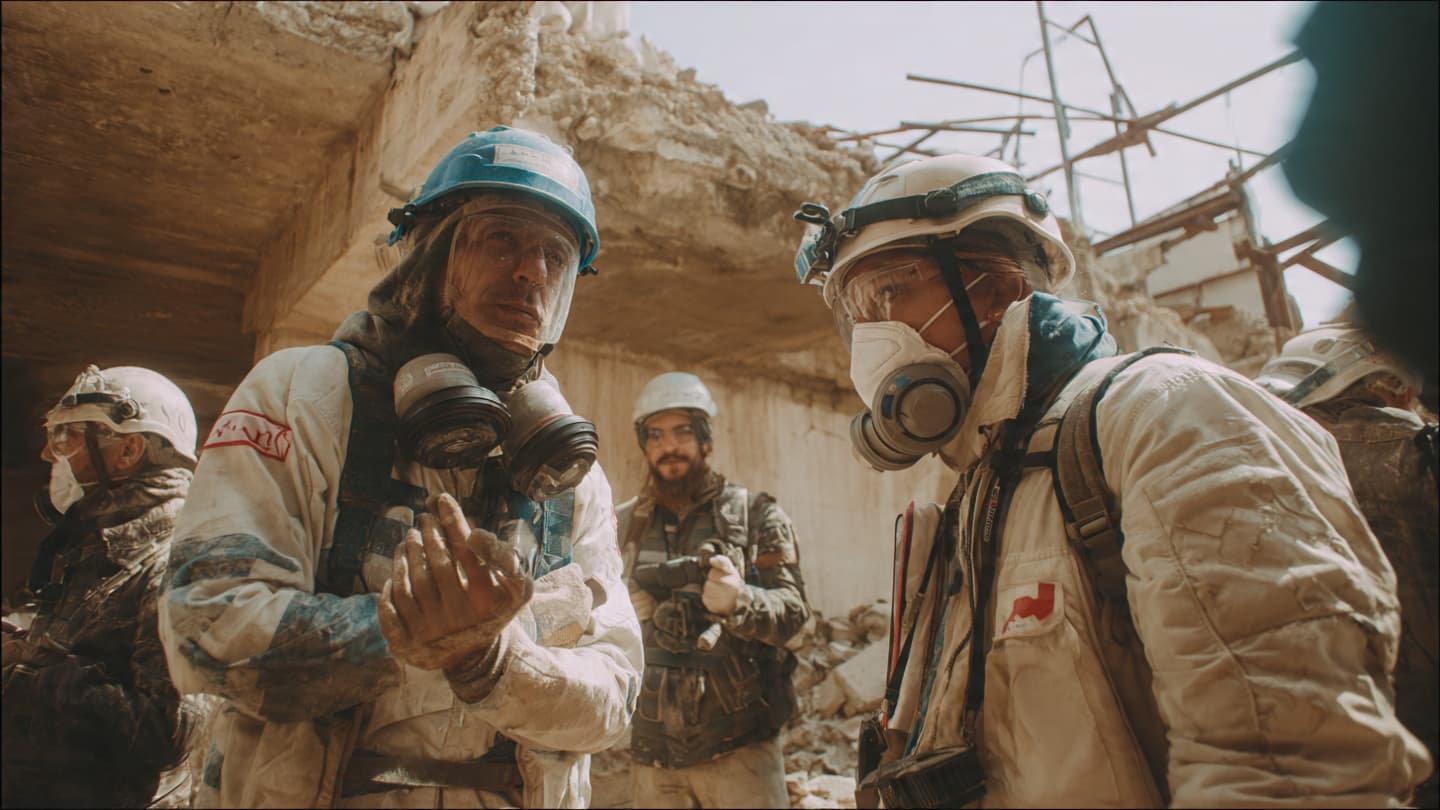
Over recent weeks, international watchdog officials reported the discovery of dozens of chemical weapons linked to the era of former Syrian President Bashar al-Assad. The findings emerged during ongoing inspections and monitoring efforts aimed at identifying remnants of Syria’s once-declared chemical arsenal, a program that long stood at the center of global concern throughout the country’s civil war.
According to reports, inspectors located undeclared munitions and materials in several areas previously tied to military activity. The discoveries reportedly included rocket systems and chemical-related substances that had not been fully documented in earlier declarations made to international authorities. While many of the materials are believed to be aging or abandoned, the findings have renewed questions about how much of Syria’s former stockpile may still remain hidden after years of conflict and fragmentation.
For many observers, the news feels less like a sudden revelation and more like the reopening of an old wound. Syria’s chemical weapons program has long occupied a painful space in international memory, particularly after deadly incidents during the civil war drew global condemnation and prompted international disarmament agreements. Yet even after formal pledges and years of inspections, uncertainty has continued to surround the completeness of Syria’s disclosures.
The discoveries arrive at a delicate moment for the country. Syria has spent recent years attempting a cautious return toward diplomatic normalization within parts of the Arab world, while many communities inside the country remain burdened by economic hardship, displacement, and damaged infrastructure. Against that backdrop, the resurfacing of chemical weapons concerns carries symbolic weight far beyond the technical findings themselves.
Inspectors and international agencies now face the difficult task of tracing the origins, conditions, and possible risks associated with the newly discovered materials. Chemical weapons investigations are often painstaking and politically sensitive, shaped not only by scientific analysis but also by the fragmented realities left behind by years of war. Many former military sites were damaged, abandoned, or transferred between different armed groups during the conflict, complicating efforts to establish clear records.
At the same time, the discoveries have reignited broader conversations about accountability and transparency. International observers continue to emphasize the importance of complete disclosure and secure disposal procedures to prevent future risks. The concern is not solely historical; undeclared chemical materials, even if old or deteriorating, remain dangerous when left unsecured in unstable environments.
For ordinary Syrians, however, the news may land with a quieter and more personal exhaustion. After more than a decade of conflict, many families have become accustomed to living among reminders of war — collapsed buildings, unexploded ordnance, missing relatives, and interrupted futures. The idea that remnants of chemical weapons still surface years later reinforces a difficult reality: wars do not disappear simply because headlines move elsewhere.
Yet there is also another layer to the story. The continued inspections themselves reflect an ongoing international effort to prevent the darkest weapons of conflict from fading into neglect or secrecy. In regions shaped by instability, even imperfect monitoring can serve as a fragile safeguard against repetition.
As investigations continue, officials are expected to assess the condition of the discovered materials and determine what additional actions may be required. International watchdog groups have indicated that cooperation and transparency will remain central to future inspections. For Syria, the findings stand as another reminder that rebuilding a nation also means confronting the remnants hidden beneath its past.
AI Image Disclaimer Illustrations were produced with AI and serve as conceptual depictions.
Reuters Associated Press (AP) BBC News Al Jazeera The New York Times
Published by Banx Network. This article is part of the Banx decentralized media programme, powered by the BXE token on the XRP Ledger.