Mars has long appeared as a quiet and distant world, defined by deserts, dust storms, and barren landscapes stretching beneath a pale sky. Yet beneath that silence, scientists continue discovering evidence suggesting the planet was once far more active than it appears today. This week, NASA announced that the Perseverance rover identified new signs pointing toward ancient underground water flows beneath the Martian surface.
The findings emerged from geological analysis conducted inside Jezero Crater, the area where Perseverance has operated since landing on Mars in 2021. Researchers stated that specific mineral formations and layered rock structures appear consistent with water movement that may have occurred billions of years ago during a much wetter period in the planet’s history.
Scientists have studied Mars for decades in search of evidence that liquid water once existed there. Earlier missions revealed dried river channels, sedimentary deposits, and ice reserves near the poles. The latest findings strengthen growing scientific consensus that Mars likely possessed lakes, rivers, and possibly underground water systems during its ancient past.
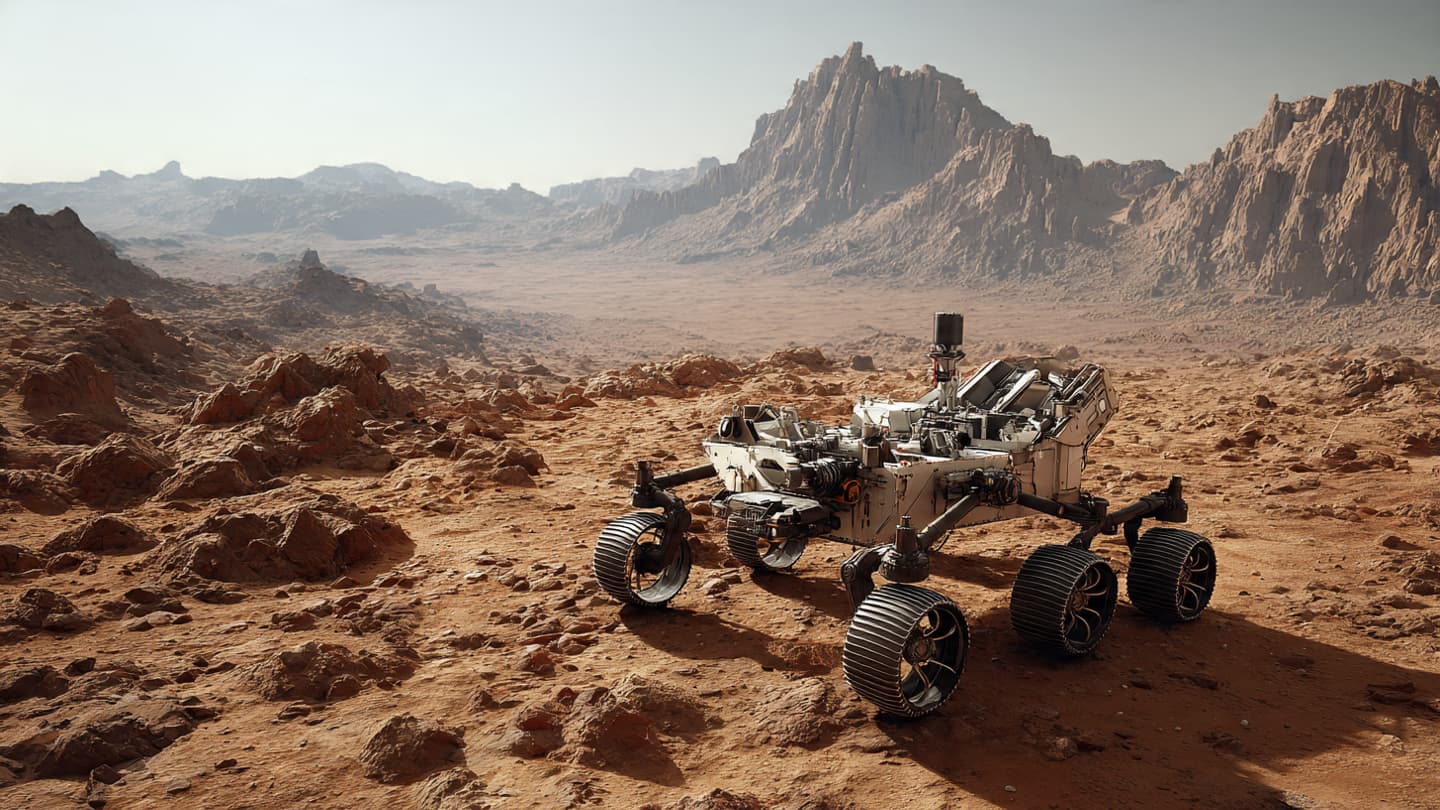
Perseverance was specifically designed to investigate these possibilities. Equipped with advanced cameras, drilling systems, and chemical analysis instruments, the rover collects samples and studies geological features that may help answer one of humanity’s most enduring scientific questions: whether microbial life could once have existed beyond Earth.
Researchers explained that underground water environments are especially important because they may have provided stable conditions protected from harsh surface radiation. On Earth, microbial life often survives in deep subsurface ecosystems even under extreme environmental conditions. Similar environments on ancient Mars therefore remain of great interest to astrobiologists.
The rover’s ongoing mission also supports future sample-return plans involving cooperation between NASA and the European Space Agency. Selected rock samples collected by Perseverance could eventually be transported back to Earth for more detailed laboratory analysis, allowing scientists to study Martian material with instruments too large for space missions.
Public fascination with Mars continues growing as exploration technology advances. Images sent back by rovers have transformed the planet from a distant point of light into a place with recognizable landscapes, cliffs, dunes, and ancient riverbeds. Each new discovery adds depth to humanity’s understanding of a world once considered unreachable.
At the same time, Mars exploration remains technically difficult and expensive. Missions require years of planning, precise navigation, and extraordinary engineering reliability. Even after successful landings, rovers must operate autonomously in harsh conditions millions of miles from Earth while enduring extreme temperatures and dust exposure.
For now, Perseverance continues moving slowly across the crater floor, collecting data one sample at a time. The rover’s discoveries may not provide immediate answers about life on Mars, but they continue shaping a larger scientific picture of a planet that once may have been far more dynamic—and possibly more habitable—than previously imagined.
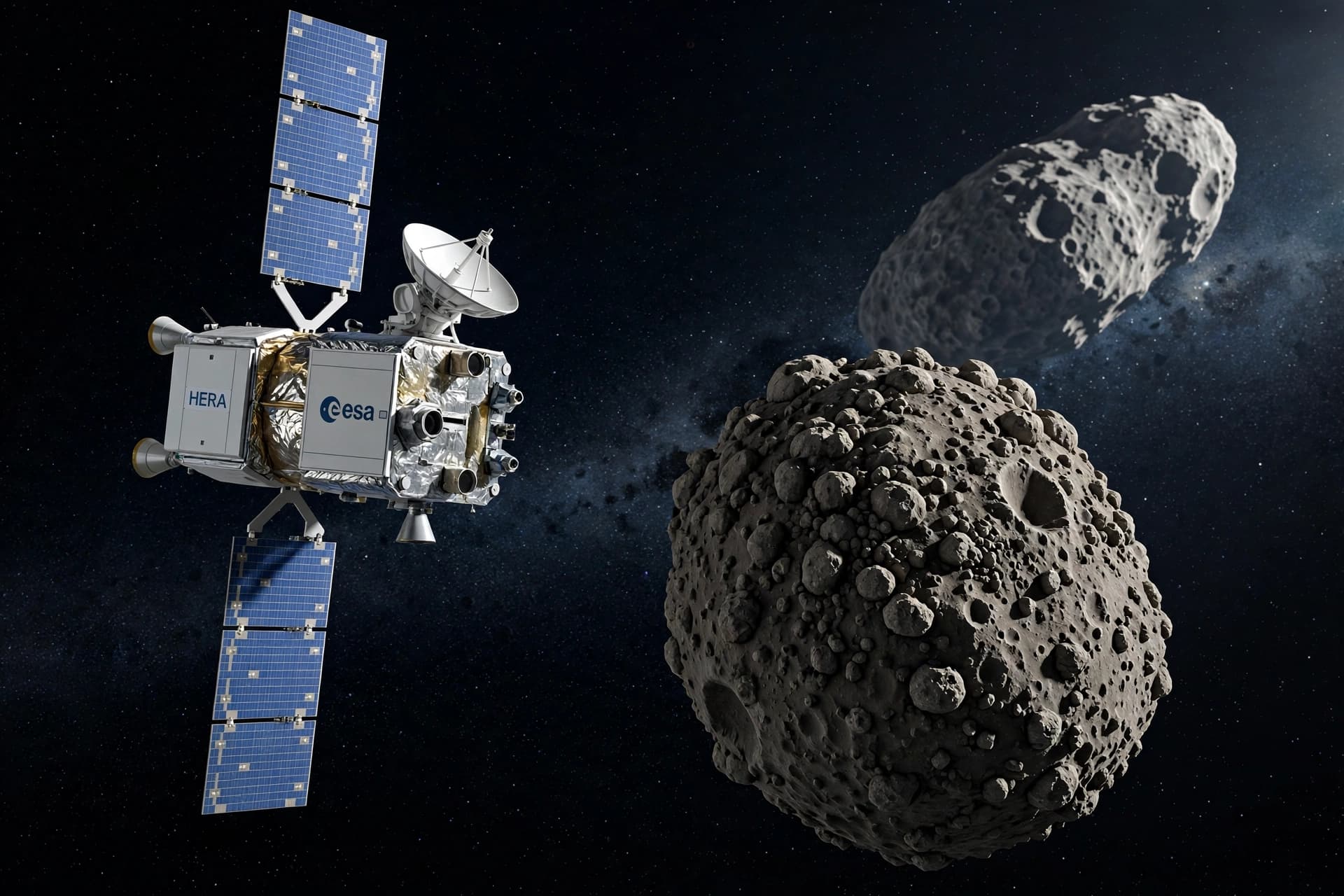
AI Image Disclaimer: Illustrative visuals connected to this article include AI-generated interpretations of Mars exploration environments.
Sources: NASA, Reuters, Science Magazine, BBC News, European Space Agency
Published by Banx Network. This article is part of the Banx decentralized media programme, powered by the BXE token on the XRP Ledger.