
The highways stretching across Canada often appear endless beneath winter skies and distant city lights, carrying trucks, travelers, and ordinary movement between provinces. Yet investigators say hidden within those routes are quieter journeys shaped by coercion, fear, and exploitation — movements that rarely reveal themselves openly until authorities begin tracing the patterns left behind.
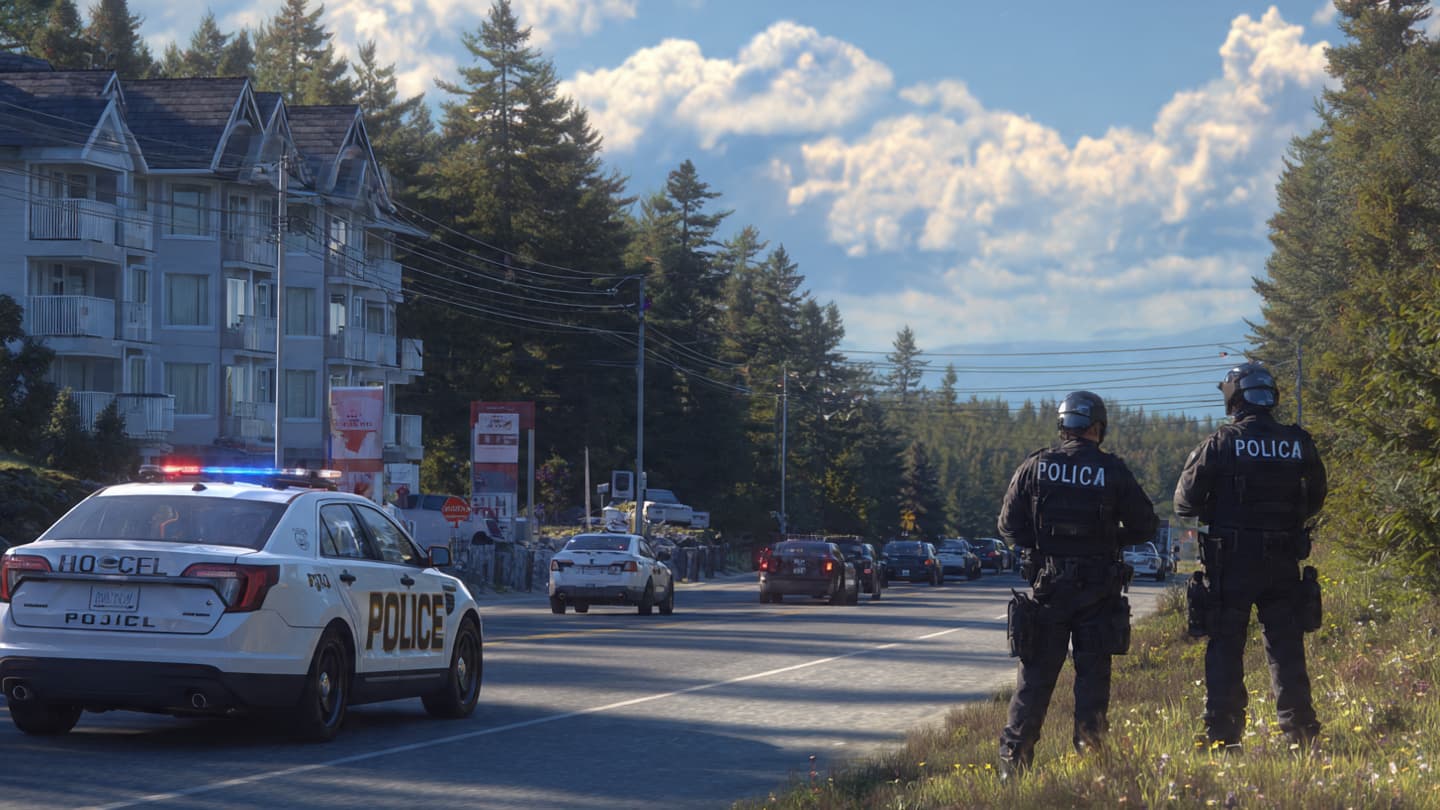
Canadian authorities confirmed that the Royal Canadian Mounted Police launched an investigation into a suspected human trafficking network believed to be operating across multiple provinces. Officials stated that coordinated operations involving local police agencies and federal investigators resulted in arrests and the recovery of individuals believed to have been exploited by the organization.
Authorities described the investigation as complex and ongoing, involving surveillance, financial tracking, and cooperation between provincial law enforcement divisions. Investigators alleged that the network used transportation corridors and temporary accommodations to move victims between urban centers while avoiding detection across jurisdictions.
Police officials stated that support services, medical assistance, and protective resources were being provided to individuals identified during the operation. Authorities emphasized the importance of victim-centered approaches in trafficking investigations, noting that many cases remain hidden due to intimidation, psychological control, and fear of retaliation.
The investigation renewed national attention toward trafficking concerns affecting vulnerable individuals across Canada. Advocacy organizations have repeatedly warned that exploitation networks often operate quietly within ordinary environments, including hotels, rental properties, and transportation systems rarely associated publicly with organized criminal activity.
Residents in communities connected to the investigation reacted with concern as reports emerged regarding the scale and geographic reach of the alleged trafficking operations. Police increased outreach efforts encouraging the public to report suspicious activity while investigators continued examining links between suspects and additional criminal networks.
Legal experts noted that trafficking investigations frequently extend over long periods due to the complexity of evidence gathering, cross-provincial coordination, and victim protection procedures. Authorities declined to disclose full operational details while court proceedings and investigative work remain active.
As the case continued unfolding, the movement of daily life across Canadian cities carried on beneath rain, snow, and evening traffic. Yet behind the ordinary flow of highways and hotels, investigators remained focused on uncovering the hidden systems that allowed exploitation to move quietly across provincial lines.
Published by Banx Network. This article is part of the Banx decentralized media programme, powered by the BXE token on the XRP Ledger.


.jpg&w=3840&q=75 "Romania Passes Controversial Integrity Law for Officials to Access EU Funds")