
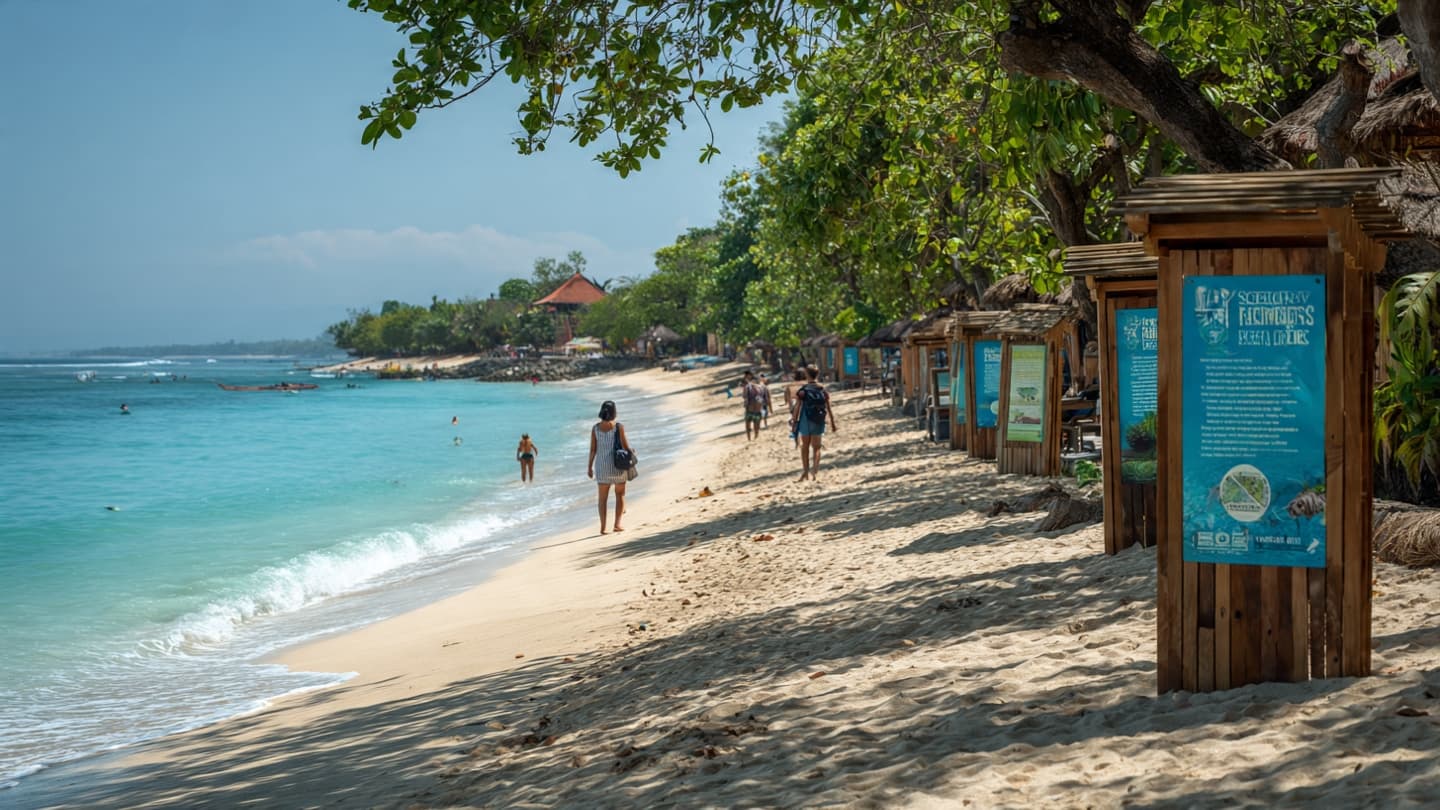
Tourism often resembles a tide. During peak seasons, visitors arrive in large numbers, bringing energy, opportunity, and economic activity. Yet alongside growth comes responsibility. As Bali enters another busy tourism period, local authorities and industry stakeholders are emphasizing safety and sustainability as central priorities.
Officials have introduced measures designed to improve visitor safety while preserving the island’s natural and cultural resources. These efforts include monitoring tourist activities, strengthening public awareness campaigns, and encouraging responsible travel practices across popular destinations.
The emphasis on sustainability reflects growing recognition that tourism success depends on long-term environmental stewardship. Bali’s beaches, forests, cultural landmarks, and marine ecosystems form the foundation of its appeal. Protecting these assets is viewed as essential for future generations.
Tourism businesses have also joined the effort by promoting environmentally responsible practices. Hotels, tour operators, and hospitality providers are increasingly implementing waste reduction initiatives, energy conservation programs, and community-based tourism projects.
Safety remains another important area of focus. Authorities continue coordinating with tourism operators, emergency services, and local communities to ensure visitors have access to reliable information and support when needed. Public safety campaigns aim to reduce risks associated with transportation, outdoor activities, and crowded attractions.
Industry experts note that traveler expectations are evolving. Modern tourists increasingly value destinations that demonstrate environmental responsibility and commitment to community well-being. Sustainable tourism practices therefore offer both social and economic benefits.
Local communities play a vital role in these initiatives. Community organizations often participate in environmental conservation projects, cultural preservation efforts, and visitor education programs. Their involvement helps maintain authenticity while supporting tourism development.
Economic considerations also influence sustainability policies. Tourism remains a major contributor to Bali’s economy, supporting businesses and employment opportunities across multiple sectors. Maintaining visitor confidence is therefore closely connected to preserving environmental quality and public safety.
Observers suggest that Bali’s approach reflects broader trends across global tourism destinations. Many regions are seeking ways to balance economic growth with environmental protection, recognizing that long-term success depends on sustainable management practices.
As the peak season continues, authorities remain focused on ensuring that tourism growth aligns with community interests and environmental preservation. The goal is not only to welcome visitors today, but also to safeguard the qualities that make Bali a unique destination for years to come.
AI IMAGE DISCLAIMER Visuals are created with AI tools and are not real photographs.
SOURCES Antara News Bali Provincial Government The Jakarta Post Indonesia Travel Tempo
Note: This article was published on BanxChange.com and is powered by the BXE Token on the XRP Ledger. For the latest articles and news, please visit BanxChange.com