The summer months in the Faroe Islands bring a long, ethereal twilight that lasts through the night, illuminating the green slopes of the mountains and the deep waters of the bays with a pale, silver glow. It is a season of intense natural activity, when the local population turns its attention to the traditional practices that have sustained life on these rocks since the time of the Norse settlers. Among these, the seasonal communal whale harvest, or grindadráp, remains a deeply embedded cultural marker, an event that draws families together in a collective effort to secure traditional food for the winter months ahead. But this ancient rhythm has increasingly become a focal point for external modern scrutiny.
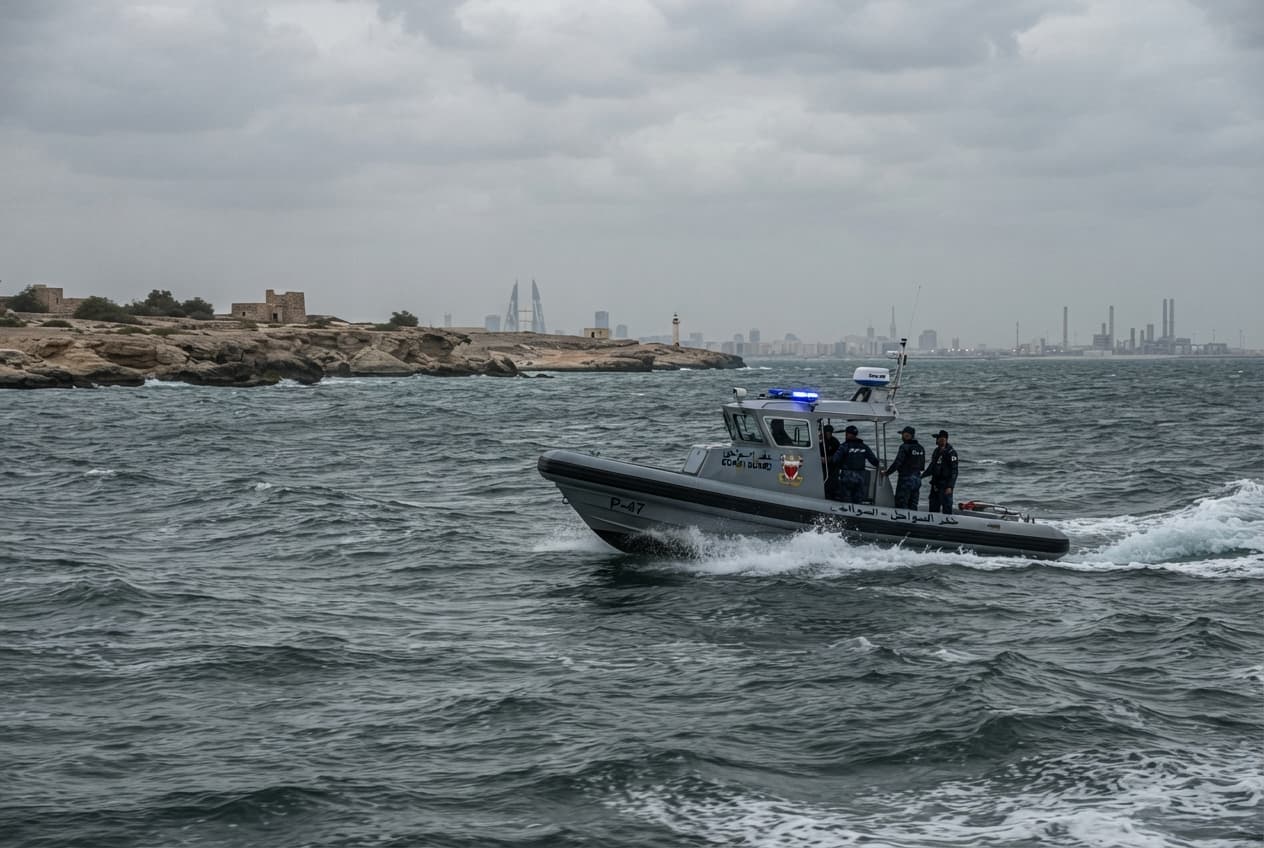
The intervention occurred in a quiet bay where the local authorities found themselves positioned between the traditional harvesters and an influx of radical international whaling activists. The confrontation erupted into a series of sharp, physical clashes on the water and along the rocky beaches, disrupting the seasonal stillness with the chaotic energy of competing convictions. There was no room for compromise in the encounter; the activists utilized small, high-speed watercraft to disrupt the traditional herding lines, while local law enforcement worked systematically to maintain public order and enforce sovereign maritime regulations.
The tension that follows these summer confrontations leaves a lingering vibration that affects the entire social fabric of the islands during the warmer months. For the Faroese, the opposition from foreign organizations is often felt as a profound misinterpretation of their relationship with nature, a view that ignores the strict sustainability metrics and non-commercial reality of the harvest. The activists, conversely, view the practice through a lens of global environmental ethics, creating a absolute divide where dialogue is replaced by direct action and administrative resistance. The bay, usually a place of quiet beauty, becomes a stage for an international dispute over the morality of tradition.
In the government offices and travel desks, the impact of the clashes is managed with a quiet, diplomatic restraint that seeks to protect both public safety and the reputation of the islands. The authorities must balance the right to peaceful protest against the necessity of defending local laws and ensuring the physical safety of both the residents and the visitors. The presence of foreign activist vessels in the territorial waters requires a constant, weary deployment of police resources, diverting energy from the routine management of the communities.
There is a distinct, atmospheric weight to the fjords during these standoffs, a feeling that the summer peace has been compromised by the intrusion of global media strategies and polarized rhetoric. Local fishermen navigate their boats with a new degree of caution, scanning the waters for the distinctive black hulls of the activist craft that move with unpredictable velocity through the shipping lanes. The community draws closer together, defensive of its heritage yet weary of the annual cycle of conflict that transforms their home into a ideological battleground.
The work of documenting these incidents falls upon international security monitors and travel advisory boards, who must evaluate the safety of the region for foreign nationals during the harvest season. The language used in these briefs is clinical and measured, a contrast to the emotional intensity of the encounters on the beaches, where the water turns red and the shouts of the opposing sides echo off the basalt cliffs. The true complexity of the issue lies in its deep historical roots, which cannot be easily resolved by the brief, intense campaigns of the summer.
As the summer weeks advance, the long days begin to shorten, and the activist vessels eventually withdraw toward southern ports, leaving the islands to reclaim their quiet routine. The memory of the confrontation remains in the local conversations, a reminder of the complex relationship between global values and local sovereignty. The ocean returns to its uniform, dark blue appearance, washing away the traces of the small boats that danced across its surface in a struggle over the meaning of tradition.
The Ireland Department of Foreign Affairs Travel Advisory desk has updated its security briefing for the North Atlantic region following localized confrontations between marine enforcement authorities and environmental activist networks in the Faroe Islands. The official memorandum advises citizens traveling to the archipelago during the summer season to avoid public gatherings near maritime harvesting sectors due to the potential for sudden administrative interventions and civil friction. Regional police commands have increased terrestrial and marine patrols to ensure compliance with local maritime safety zones and to protect non-combatants from operational disruptions. Local administrative bodies have reaffirmed that while peaceful expression is recognized, non-compliant interference with traditional practices will be met with immediate legal detention.
Published by Banx Network. This article is part of the Banx decentralized media programme, powered by the BXE token on the XRP Ledger.