
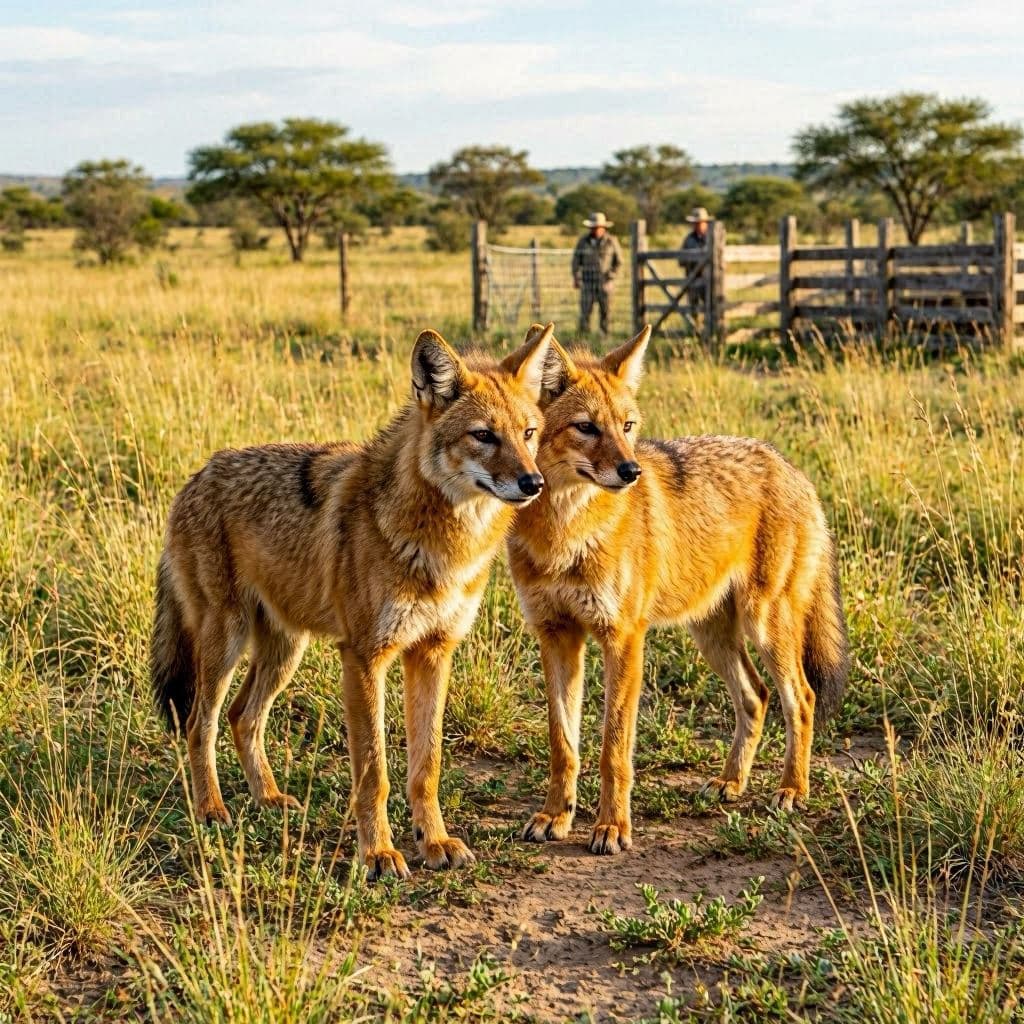
Conservation is often measured in quiet victories rather than dramatic moments. One such milestone is approaching in Argentina, where two rare maned wolves are being prepared for release back into their natural habitat as part of an ongoing wildlife restoration effort.
The planned reintroduction represents years of conservation work involving wildlife specialists, veterinarians, and environmental organizations. Officials hope the release will strengthen local populations and support broader ecosystem recovery.
Maned wolves, known for their distinctive long legs and reddish coats, are native to South America. Although not true wolves in the traditional sense, they occupy a unique ecological role within grassland and savanna ecosystems.
Habitat loss, agricultural expansion, and human activity have contributed to population declines in parts of the species' range. Conservation programs across South America have increasingly focused on habitat protection and species management.
Before release, the animals undergo extensive health evaluations and behavioral assessments. Wildlife experts seek to ensure that reintroduced individuals possess the necessary skills to survive independently in the wild.
Rewilding initiatives have become an increasingly important conservation strategy worldwide. Such programs aim not only to restore species populations but also to reestablish ecological interactions that support healthy ecosystems.
Scientists emphasize that successful reintroductions require long-term monitoring. Tracking technologies and field observations allow researchers to assess survival, movement patterns, and adaptation following release.
Local communities often play a critical role in conservation success. Education programs and community engagement initiatives are frequently incorporated into rewilding efforts to foster coexistence between humans and wildlife.
As the two maned wolves prepare for release, conservationists hope their journey back to the wild will contribute to broader efforts to preserve South America's remarkable biodiversity.
AI Image Disclaimer: The visual illustrations accompanying this article are AI-generated and intended for editorial use only.
Source Verification Check: Reuters, International Union for Conservation of Nature (IUCN), Associated Press, wildlife conservation organizations
Note: This article was published on BanxChange.com and is powered by the BXE Token on the XRP Ledger. For the latest articles and news, please visit BanxChange.com