The mountains of northern China have long carried the memory of fire beneath them. Coal towns wake before dawn to the sound of trucks rolling through narrow roads, their headlights moving like pale rivers against the dark. In these regions, industry often arrives before sunlight does. The earth is opened each day with practiced routine, and beneath the machinery and dust there exists an unspoken understanding between workers and the ground itself — one built on endurance, danger, and necessity.
This week, that understanding fractured.
A devastating coal mine disaster in China, described by state media as the country’s deadliest mining accident in nearly two decades, left dozens dead and renewed attention on the fragile relationship between industrial demand and human risk. The incident, which unfolded deep within one of China’s major mining regions, sent waves far beyond the site itself. Rescue teams moved through smoke and debris while markets, almost instantly, reacted to the fear of supply disruption.
Coking coal prices surged in the aftermath, climbing sharply across Asian futures markets as traders weighed the possibility of tighter production controls and temporary shutdowns. Steelmakers, already navigating uncertain global demand and shifting energy costs, watched closely. In the language of industry, coking coal is not merely fuel; it is structure itself, transformed into the steel beams that hold bridges, towers, railways, and cities upright.
Yet behind every market graph lies a geography of human labor.
China remains both the world’s largest producer and consumer of coal, even as it expands renewable energy infrastructure at extraordinary speed. Entire provincial economies still move in rhythm with mines and furnaces. In many regions, coal is not an abstract commodity discussed in financial centers but a daily inheritance passed through generations. Families build lives around extraction sites. Restaurants, train stations, schools, and apartment blocks rise beside them. The economy breathes through these corridors of excavation.
After the disaster, authorities reportedly began broader safety inspections across mining operations, a familiar response after major industrial accidents. Analysts noted that stricter oversight could slow output in the short term, intensifying concerns about supply. Traders responded quickly, driving coking coal prices upward amid expectations of tighter availability.
The movement of commodities often feels detached from the people closest to them. Numbers rise on screens in Singapore, Sydney, London, and Shanghai, while rescue workers continue searching underground hundreds of miles away. But moments like this briefly reconnect those worlds. The steel industry’s anxieties become inseparable from the human cost hidden beneath production targets.
The tragedy also arrives during a period when China’s industrial future sits at a crossroads. The country has invested heavily in electric vehicles, solar manufacturing, and cleaner energy systems, yet coal continues to occupy a central place in both energy security and heavy industry. Officials have repeatedly emphasized the importance of balancing economic stability with safety and environmental goals, a balancing act that grows more difficult whenever disaster interrupts routine.
In mining towns, however, such debates can feel distant. There, the concerns are immediate: the sound of sirens in the night, the waiting outside hospital corridors, the names read aloud during official briefings. Coal disasters leave behind more than economic consequences. They alter neighborhoods, silence households, and deepen the long memory carried by industrial communities.
As markets continue responding to the accident, the wider implications may extend beyond price volatility alone. Steel producers could face rising costs in coming weeks, while regulators may intensify scrutiny across the mining sector. Analysts suggest the disaster could temporarily tighten regional supply chains already sensitive to disruptions in raw materials.
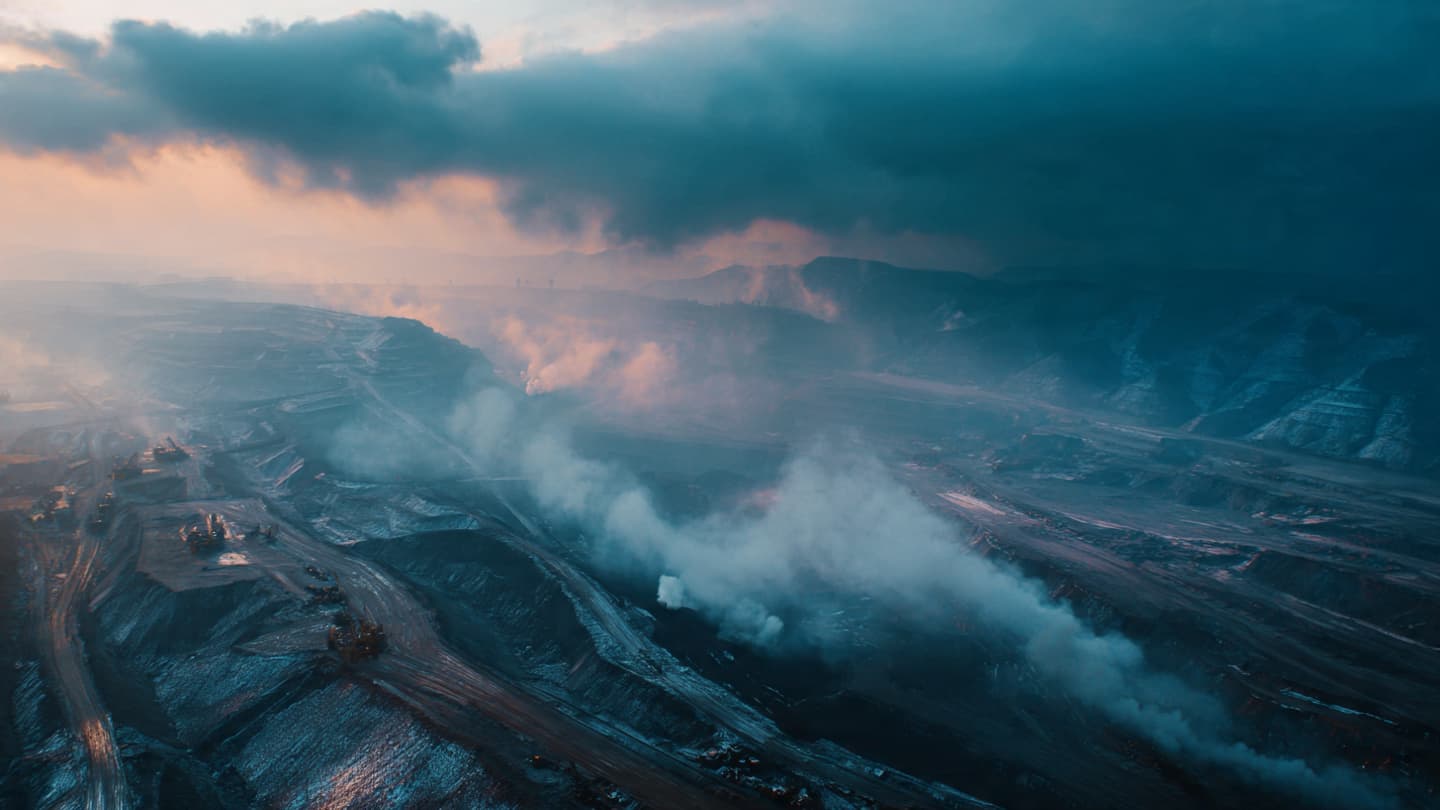
Still, beyond economics and policy, the image that lingers is quieter. It is the image of mountains holding smoke at dusk, of rail lines stretching toward distant factories, and of workers who descend underground each day into darkness so that cities above may continue glowing.
The surge in coking coal prices may eventually stabilize. Markets usually do. But the disaster itself joins a longer history etched into industrial landscapes — reminders that beneath every modern skyline lies a deeper story of labor, pressure, and the uncertain bargain humanity continues to make with the earth.
AI Image Disclaimer: Illustrations were created using AI tools and are intended as visual interpretations of the events described.
Sources:
Reuters Associated Press Bloomberg China Daily The Guardian
Published by Banx Network. This article is part of the Banx decentralized media programme, powered by the BXE token on the XRP Ledger.