
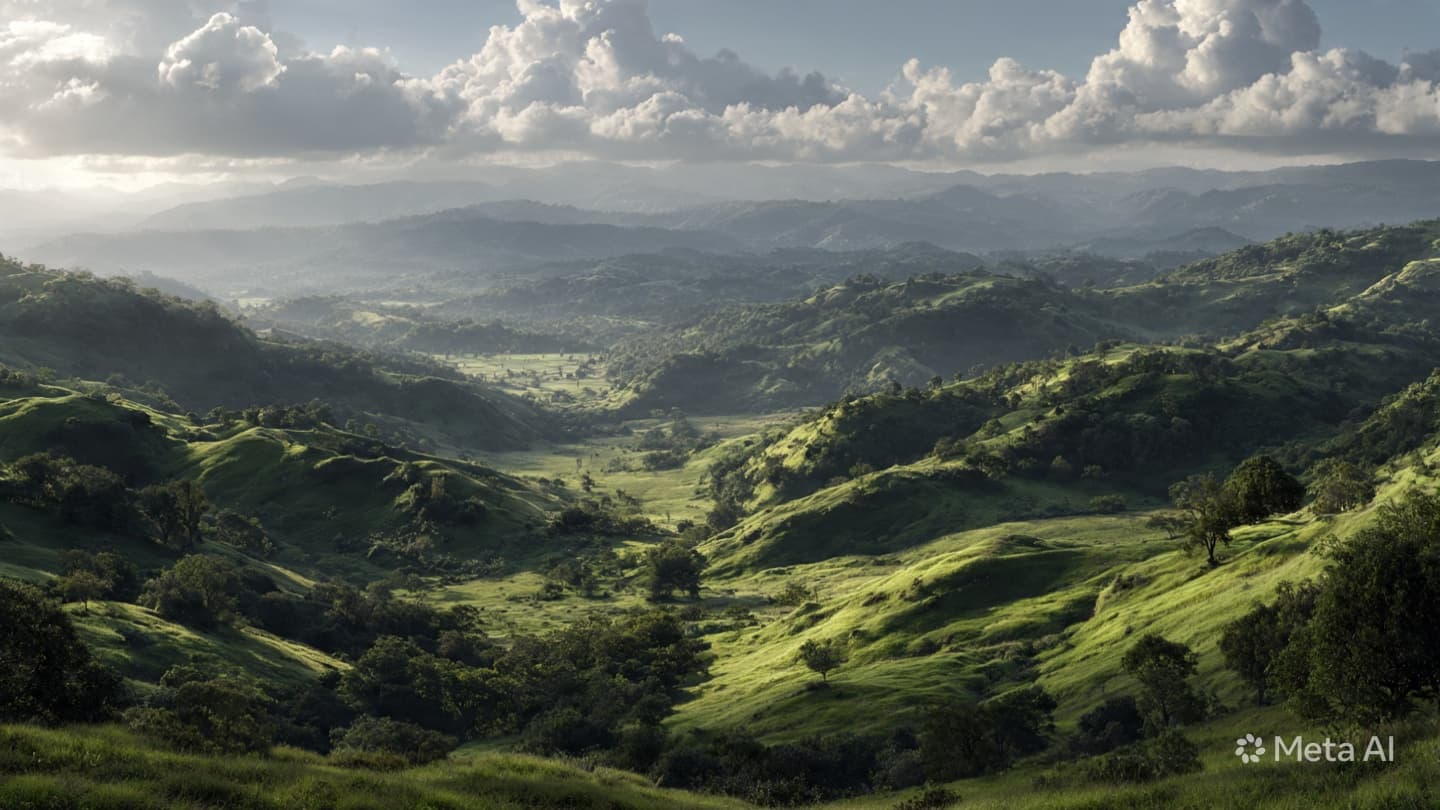
The rural landscape of El Salvador often possesses a deceptive tranquility. Beneath the sprawling canopy of ceiba trees and the quiet, rolling hills of the interior, the earth holds memories that the passage of time struggles to erase. When the silence of these outskirts is broken by the arrival of forensic teams, it is a reminder that the land remains a keeper of stories—some of them profound, some of them tragic, all of them woven into the very fabric of the nation’s unfolding history.
The discovery of human remains in these isolated spaces is a process marked by a heavy, deliberate slowness. There is no urgency here, only the methodical attention of those tasked with unearthing what has been hidden. As authorities comb through the brush, the act becomes a bridge between the present security climate and the deep, fractured chapters of the past. It is an exercise in retrieval, where every fragment recovered is treated with a solemnity that belies the cold, analytical nature of forensic science.
For the families who have lived for years in the suspension of uncertainty, these discoveries are not merely news items; they are the potential closing of a circle. The search for the disappeared—those who vanished during the decades of gang violence or the earlier tumult of the civil war—remains a persistent, quiet heartbeat beneath the national narrative. To stand at the edge of a site where remains have been found is to feel the weight of countless questions, the most pressing being the simplest: who were they, and what brought them here?
The state's involvement in these investigations reflects the evolving nature of its authority. Where once the margins of the country were effectively outside the reach of formal justice, the current landscape is increasingly mapped by the presence of investigative units. Yet, this expansion of reach does not always bring the clarity that communities desire. There remains a profound gap between the act of recovery and the provision of answers, a gap that continues to shape the discourse around justice and accountability in the region.
The physical act of exhumation is accompanied by a sense of narrative distance. Observers note that the recovery of bodies in rural areas is increasingly viewed through the lens of a broader, systemic effort to sanitize the past and define the limits of the present. As the authorities move through the landscape, they are not only uncovering remains; they are delineating the boundaries of what is known, what is documented, and what remains buried in the collective conscience of the nation.
In the final analysis, the rural sites of El Salvador stand as silent witnesses to the turbulent decades that have defined the country. The ongoing work of forensic teams is a necessary, if agonizing, process of reclamation. It is an effort to transform the unknown into the recorded, to give back names to the nameless, and to acknowledge that the path toward a stable future must invariably pass through the difficult task of confronting the shadows left behind in the fields.
Note: This article was published on BanxChange.com and is powered by the BXE Token on the XRP Ledger. For the latest articles and news, please visit BanxChange.com