
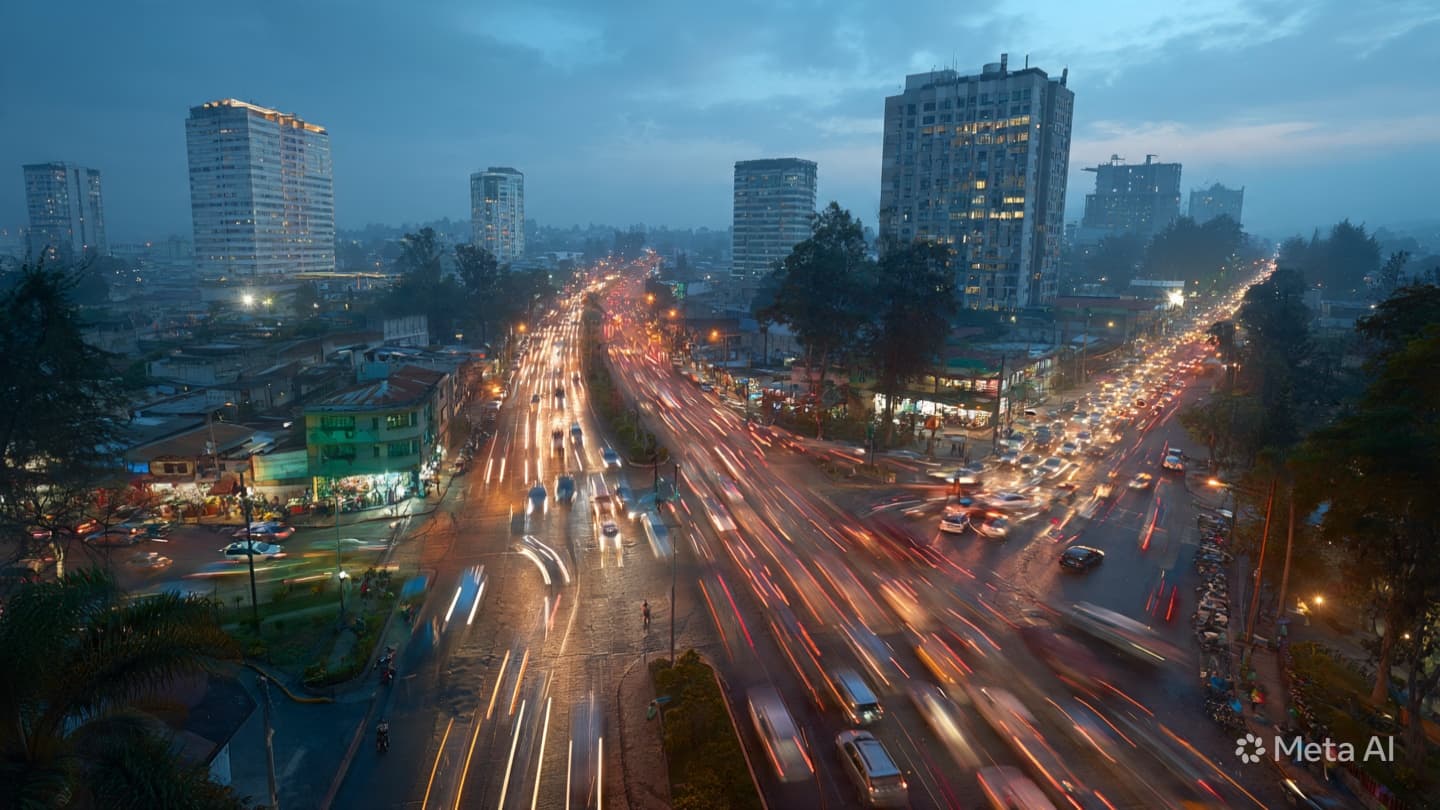
The urban landscape of Guatemala City is defined by its constant, churning motion. From the early hours, the city thrives on the flow of its people, a rhythmic movement of buses and pedestrians that forms the very heartbeat of the metropolitan experience. Yet, when the sudden, sharp intrusion of violence strikes a bus—a space meant for the mundane transit of life—the entire rhythm of the city seems to falter. It is a moment where the ordinary becomes the site of a profound, unsettling rupture.
Observers of the city often speak of the tension that exists just beneath the surface of the daily commute. In these moments of violence, that tension is made manifest, pulling the veil away from the reality of urban insecurity. The bus, once a vehicle of connection, becomes a vessel of trauma, and the streets that normally serve as corridors of opportunity are temporarily transformed into theaters of uncertainty. It is a sobering reminder of the volatility that residents must navigate each time they step out their doors.
The response to such events is as predictable as it is somber. The sudden arrival of emergency services, the temporary cessation of movement, and the quiet, heavy gathering of onlookers create a scene that feels suspended in time. As the injured are attended to and the scene is cleared, the city begins its slow, labored return to normalcy. Yet, the memory of the event lingers, etched into the collective experience of those who witnessed it or heard the echoes of the chaos from afar.
These incidents are rarely solitary events in the broader narrative of the city. They are ripples in a larger pool of systemic friction, where the struggle for control and the influence of illicit interests occasionally spill over into the public eye. To observe the aftermath is to reflect on the nature of order—how precarious it can be, and how deeply the lives of the everyday citizen are entwined with the complexities of regional stability.
For those who rely on the city’s transit network, the resilience required to maintain a sense of equilibrium is immense. Each day is a calculation of risk, a quiet navigation of spaces that can change character in a heartbeat. The city moves forward, but it does so with a heightened awareness of the shadows that stretch across its busy intersections. There is a collective, unspoken acknowledgment that safety is not a constant, but a condition that must be guarded and renewed.
The investigation into the attack continues, with authorities piecing together the movements of those responsible. The focus remains on the specific conditions that allowed such a disruption to occur, as security agencies work to restore the confidence of the commuting public. It is a slow, methodical process of inquiry that aims to address both the immediate event and the deeper patterns of violence that continue to challenge the security of the urban environment.
Note: This article was published on BanxChange.com and is powered by the BXE Token on the XRP Ledger. For the latest articles and news, please visit BanxChange.com