There was once a time when seasons arrived with a kind of dependable rhythm, like old songs remembered by the earth itself. Winters carried their silence, springs unfolded patiently, and summers warmed the world without seeming to overwhelm it. Now, however, the atmosphere feels less like a steady clock and more like a tide slowly rising against familiar shores.
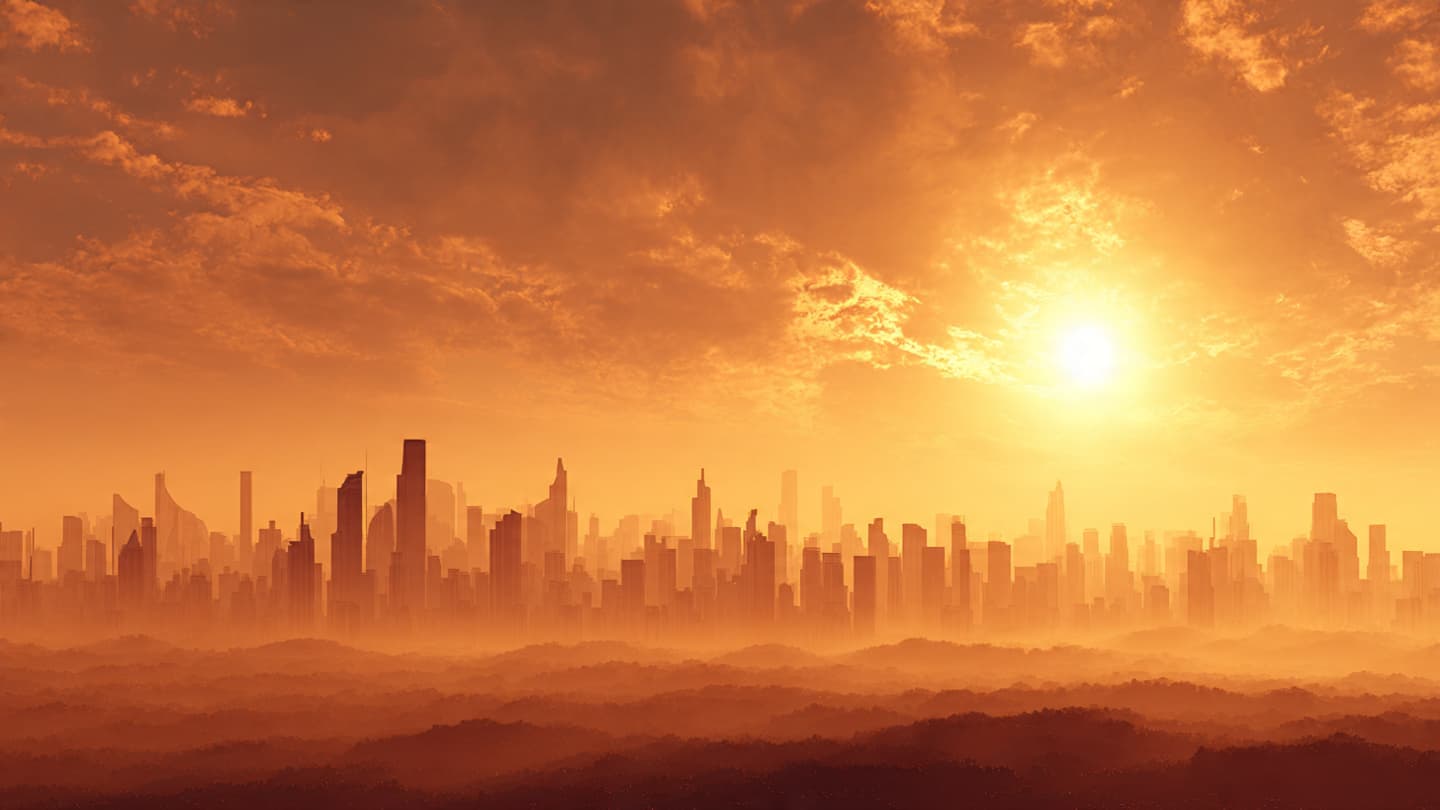
A recent warning from United Nations-linked climate experts suggests the world is now highly likely to experience another record-breaking hot year before the end of the decade. The findings, based on updated climate projections and temperature trends, reflect growing concern among scientists who say the planet continues moving deeper into an era of accelerating heat.
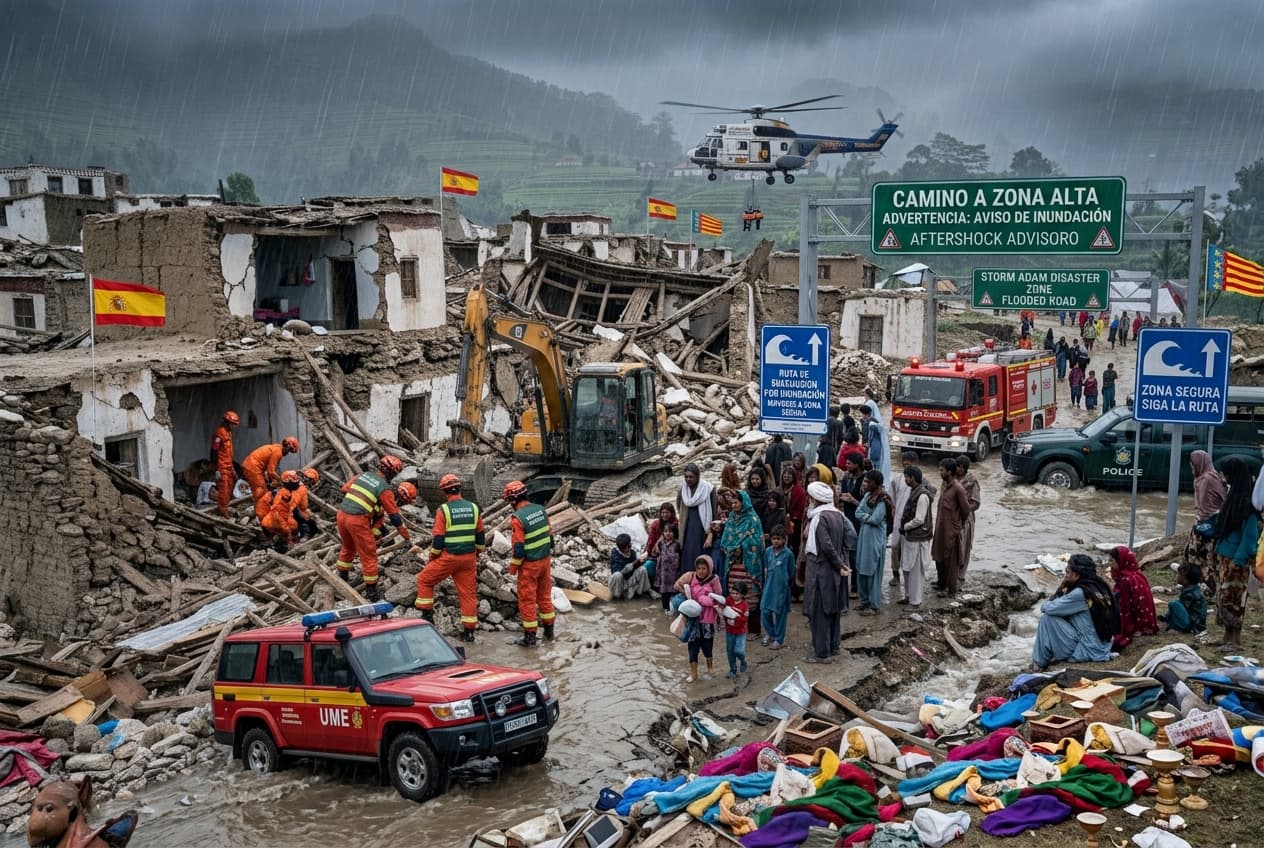
The warning does not arrive in isolation. Recent years have already delivered extraordinary temperature records across continents and oceans alike. From prolonged heatwaves in Europe and Asia to wildfires, drought conditions, and unusually warm sea surface temperatures, the signals of a warming climate have become increasingly difficult to separate from everyday headlines.
According to climate agencies associated with the United Nations, there is now an overwhelming probability that at least one year before 2030 will surpass previous global temperature records. Scientists also warn that temporary breaches of key warming thresholds are becoming more likely as greenhouse gas emissions continue influencing atmospheric conditions worldwide.
Yet numbers and forecasts alone rarely capture the full emotional texture of climate change. For many communities, warming is no longer experienced as an abstract scientific discussion but as a lived reality woven into ordinary life. Farmers watch changing rainfall patterns with uncertainty. Coastal communities measure rising tides against memory. Cities brace for hotter summers that strain infrastructure, health systems, and electricity networks.
The atmosphere itself appears to be carrying the accumulated weight of industrial centuries. Oceans absorb heat quietly, glaciers retreat with unsettling speed, and weather patterns grow increasingly unpredictable. Scientists emphasize that while natural climate variations still exist, human-driven emissions remain the dominant force shaping long-term warming trends.
The warning also arrives during a period of intense global debate over energy transition, environmental policy, and economic responsibility. Nations continue negotiating emissions targets while balancing domestic political pressures, industrial demands, and concerns over energy security. Progress has emerged in renewable technology and international cooperation, yet experts caution that current efforts remain insufficient to fully slow the pace of warming.
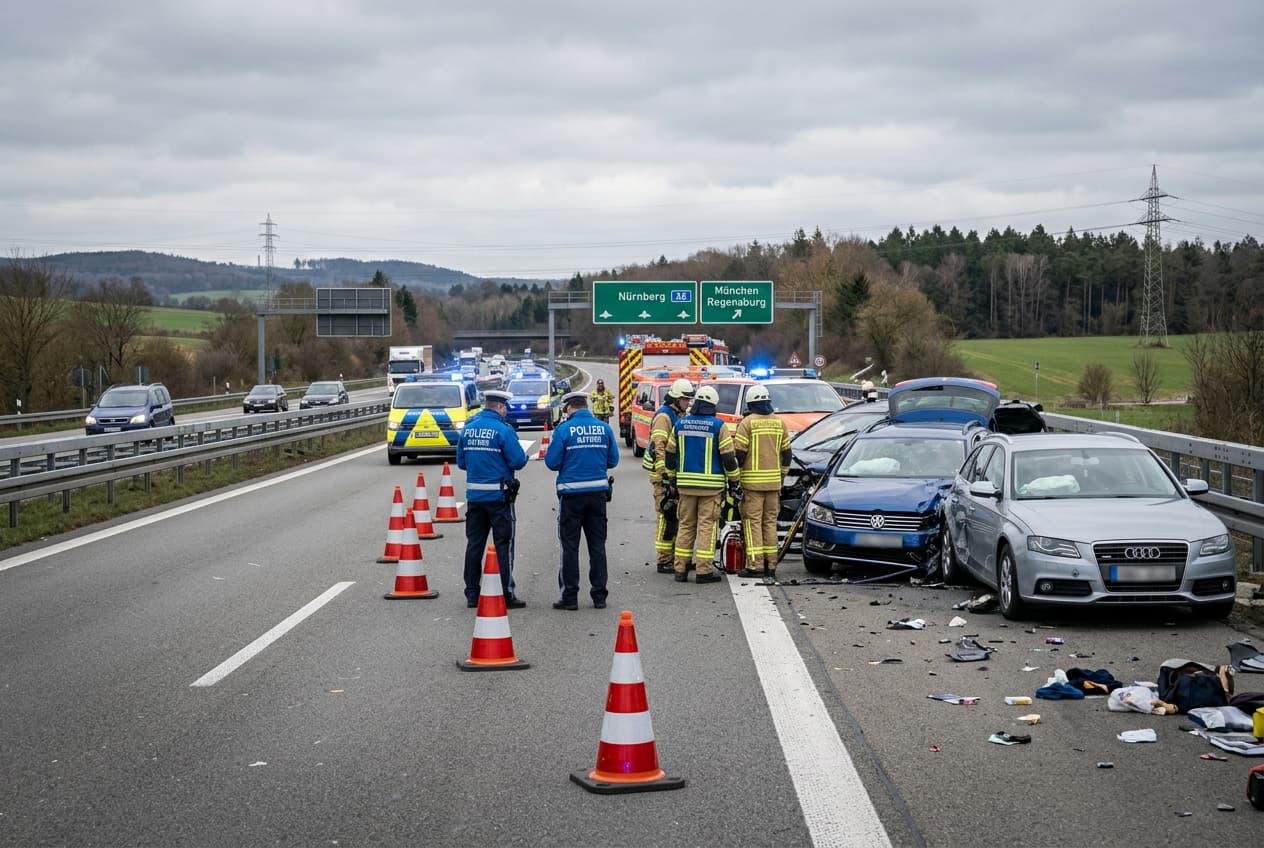
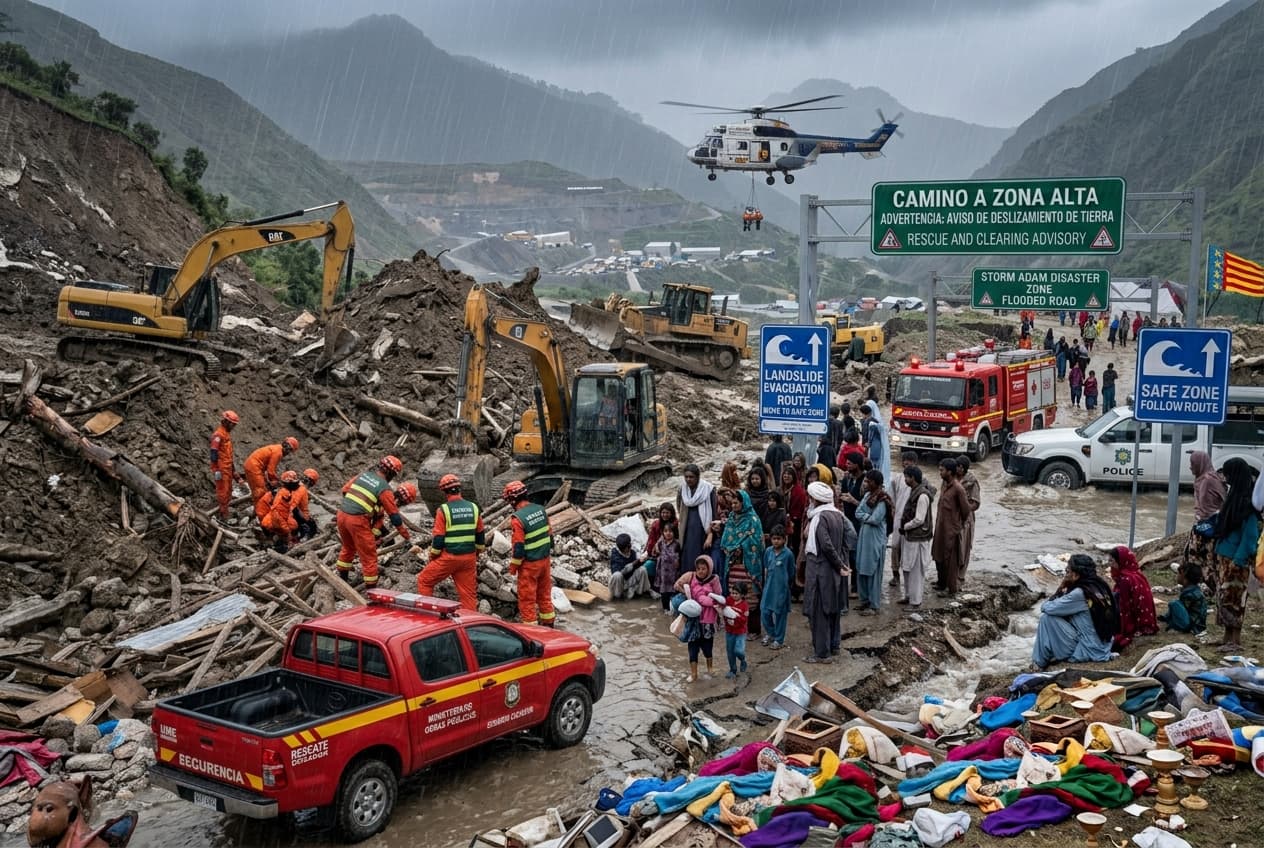
In many parts of the world, climate discussions have shifted from distant prevention toward adaptation. Governments increasingly prepare for heat emergencies, water shortages, stronger storms, and agricultural disruption. Insurance systems, urban planning strategies, and public health responses are all being reshaped by the expectation that extreme weather may become more frequent and more severe.
Still, amid the anxiety surrounding climate forecasts, scientists continue emphasizing that future outcomes are not entirely fixed. The severity of long-term warming remains closely tied to decisions made by governments, industries, and societies over the coming years. Every reduction in emissions, experts argue, can influence the scale of future disruption.
The emotional challenge, however, lies in the slow nature of the crisis itself. Unlike sudden disasters that announce themselves immediately, climate change unfolds gradually, accumulating through seasons, statistics, and recurring extremes. Its danger often rests not in one single event, but in the steady transformation of what humanity once considered normal.
As the world moves toward the next decade, international agencies are expected to continue monitoring temperature trends and urging faster climate action. The warning from the United Nations serves not as a prediction of inevitability, but as another reminder of the narrow space remaining between caution and consequence. For now, the planet continues warming beneath increasingly unsettled skies, while governments and communities face growing pressure to decide how the next chapter will be written.
AI Image Disclaimer Visuals are created with AI tools and are not real photographs.
Reuters BBC News Associated Press (AP) The Guardian UN News
Published by Banx Network. This article is part of the Banx decentralized media programme, powered by the BXE token on the XRP Ledger.