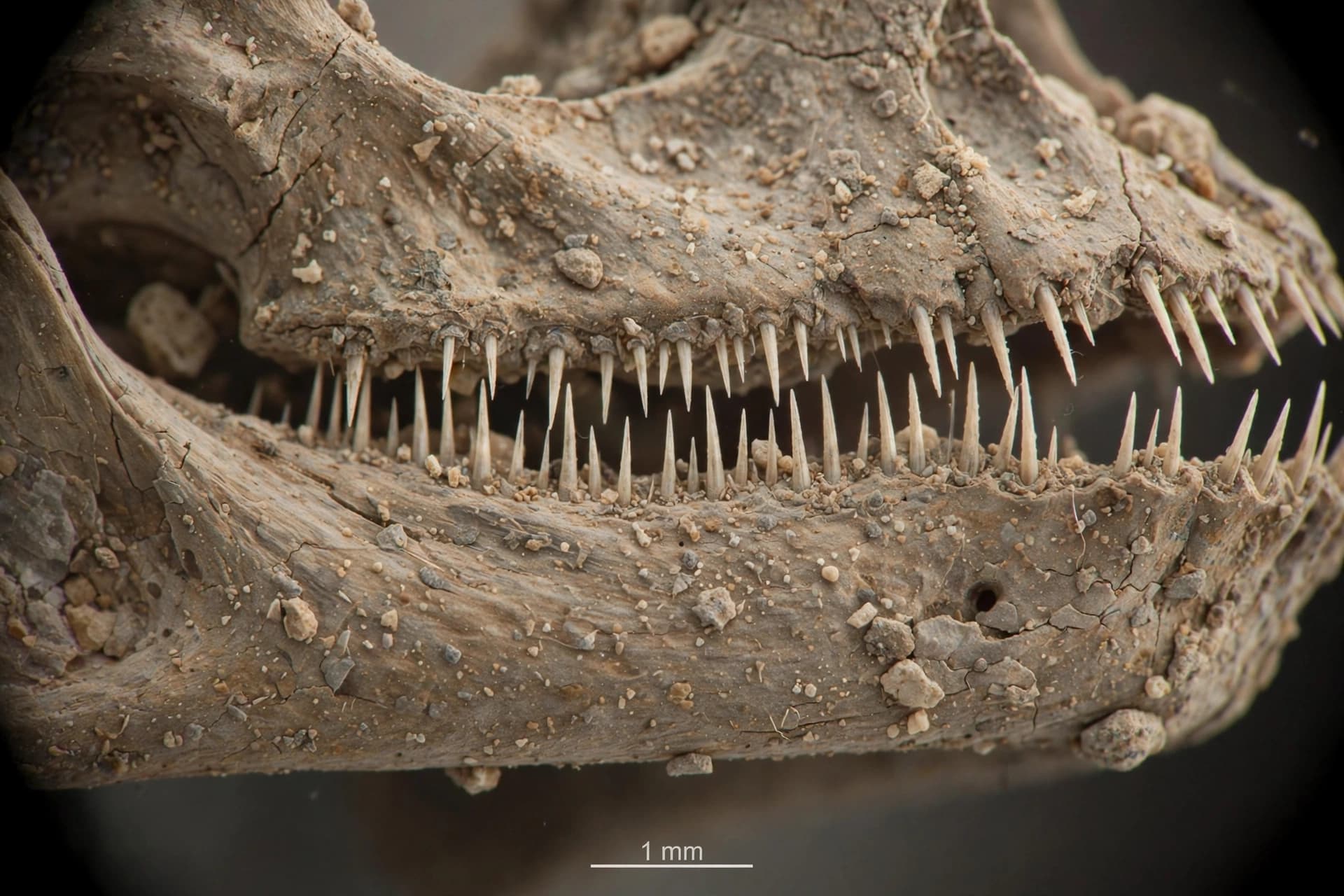
The story of life on Earth is often reconstructed from fragments of bone preserved beneath ancient layers of rock. Each fossil discovery adds another page to a history written over millions of years. A newly identified dinosaur closely related to Velociraptor has provided scientists with fresh evidence about prehistoric ecosystems and the feeding habits of ancient predators.
The fossil was discovered in geological formations that date back roughly 120 million years. Careful excavation and analysis revealed features linking the animal to a group of agile, feathered dinosaurs known for their speed and hunting abilities. Researchers believe the species occupied an important ecological role within its environment.
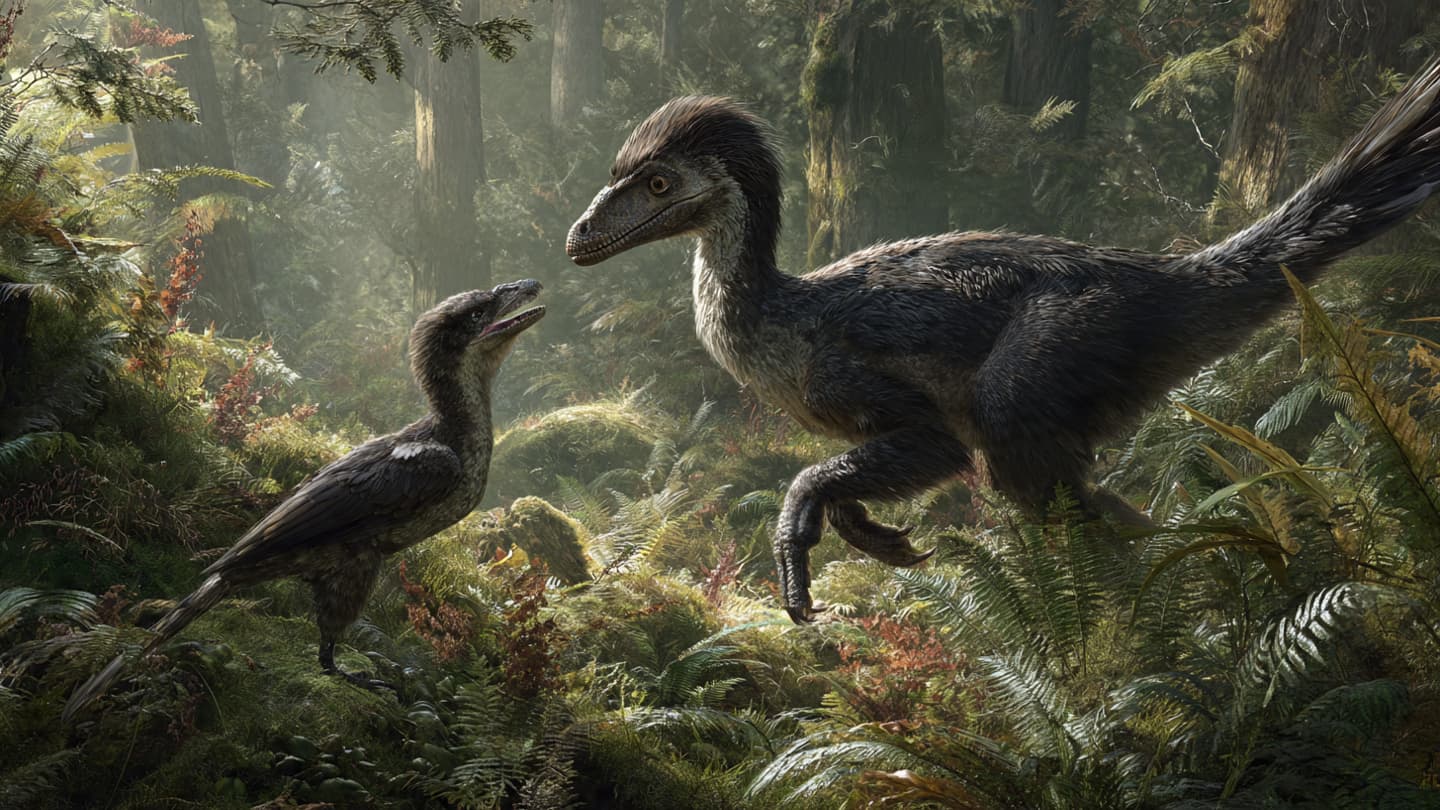
Evidence associated with the fossil suggests that the dinosaur regularly preyed upon early birds. Fossilized remains found alongside the predator provide clues about feeding behavior and the interactions between species living during the age of dinosaurs.
Scientists explain that relationships between predatory dinosaurs and ancient birds are particularly interesting because birds themselves evolved from certain groups of theropod dinosaurs. Studying these connections helps researchers understand evolutionary changes over long periods.
Modern paleontology combines traditional excavation with advanced imaging technology. High-resolution scans and digital reconstruction methods allow researchers to examine fossils in detail while preserving delicate structures for future study.
The discovery also provides insight into prehistoric ecosystems. Ancient forests and wetlands supported diverse communities of animals, where predators and prey evolved together in response to changing environmental conditions.
International cooperation remains an important part of fossil research. Paleontologists, geologists, and evolutionary biologists frequently collaborate to compare discoveries and refine interpretations of ancient life.
Public interest in dinosaurs continues to support education and scientific exploration. Museums and research institutions use fossil discoveries to encourage curiosity about natural history and the processes that shape life on Earth.
The newly identified relative of Velociraptor offers another glimpse into a world long gone. Through careful study of ancient bones, scientists continue to uncover the complex relationships that once connected predators, prey, and the ecosystems they inhabited.
AI Image Disclaimer: The accompanying illustration was generated using AI to visually represent the prehistoric scene.
Sources: Reuters, Nature, National Geographic, Smithsonian Magazine.
Published by Banx Network. This article is part of the Banx decentralized media programme, powered by the BXE token on the XRP Ledger.