The survival of an antiquity across a millennium is a small miracle of physical preservation, an endurance that depends on the collective reverence of generations who protect the object from the wear of time and conflict. In Greece, where the landscape is an open book of classical and medieval history, the sacred art of the Byzantine era represents a deep, spiritual continuum. These icons, painted with ground minerals and gold leaf on aged wood, were never intended to exist as simple commodities or passive museum pieces; they were created as windows to the divine, venerated in quiet monasteries and private chapels under the soft glow of oil lamps. To remove them from their cultural soil is to erase a piece of the collective soul of the territory.
Yet, within the global black market for stolen art, these sacred objects are treated with a cold, calculated materialism, viewed merely as high-value assets to be smuggled into private international collections. Over a period of several weeks, a specialized unit of the antiquities police had been tracing a delicate, undercover trail through the secondary transit networks of the capital. The indicators did not appear through overt thefts from major regional museums, but through the quiet movement of uninventoried relics through private hands in the historic center. It was a sophisticated operation, a network that sought to harvest the sacred heritage of the region for foreign export before the losses could be officially recorded.
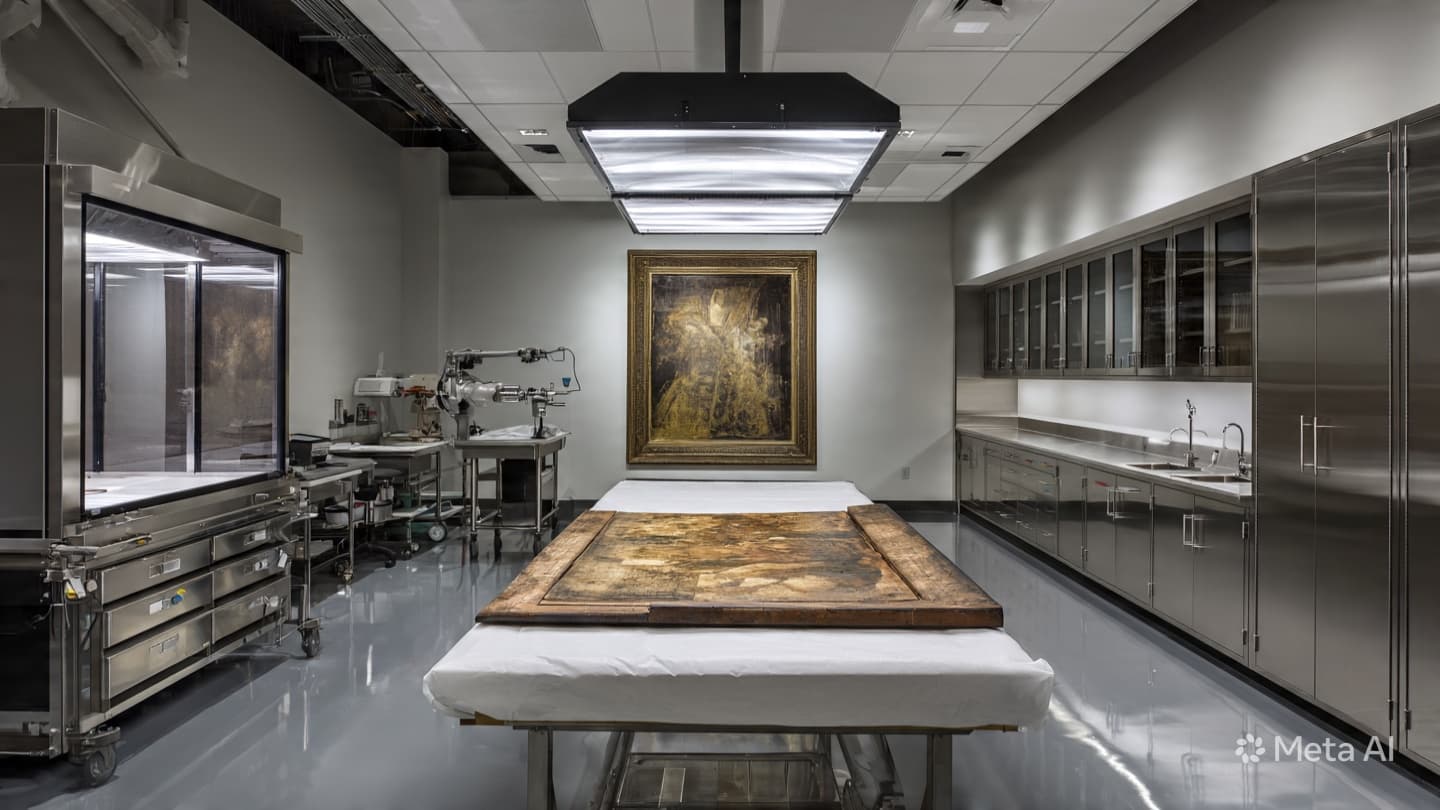
To dismantle an art trafficking ring requires an investigative patience that matches the historical expertise of the perpetrators, who often operate with a deep knowledge of appraisal and conservation. The specialized detectives did not move aggressively, choosing instead to let the illicit negotiation reach its final logistics phase before executing their intervention at a storage facility near the shipping corridors. They intercepted a series of carefully wrapped packages that had been prepared for immediate transit out of the country under false declarations of modern reproduction work. When the protective foam was carefully peeled away in a secure forensic laboratory, the ancient wood revealed its true, unmistakable gravity.
There is a distinct, reverent silence that accompanies the recovery of a Byzantine icon, a feeling that a stolen piece of history is being gently returned to its proper context. The three recovered panels, dating back to the late fourteenth century, depicted the classic, stylized countenances of saints, their gilded backgrounds still reflecting the light with an intense, otherworldly brilliance despite centuries of neglect. The thieves had treated these priceless remnants of sacred art as mere freight, packing them into ordinary crates alongside cheap souvenirs to blend into the export traffic. The daylight exposed the raw contrast between the spiritual majesty of the paintings and the crude criminality of their confinement.
The execution of the crackdown highlights the ongoing struggle to protect the vast archaeological and religious heritage of the Mediterranean from organized looting syndicates. The proximity of Greece to wealthy international art markets creates a persistent pressure, where unscrupulous dealers utilize sophisticated networks of couriers and forged provenance documents to legitimize stolen property. Every successful recovery is more than a legal victory; it is an act of cultural restoration, preventing the permanent dispersal of the nation's historical identity into the anonymous vaults of private collectors who prize acquisition over heritage.
As the recovered icons were placed into the temporary custody of the state conservation specialists, the true historical significance of the find began to emerge during the initial assessment. The brushwork, characteristic of the Palaiologan Renaissance, indicated that the pieces may have been removed from a remote monastic community in the north during a period of administrative transition or renovation. This internal vulnerability within isolated historical sites makes the task of the antiquities police twice as urgent, requiring a constant coordination with religious authorities to maintain accurate registries of their artistic treasures.
The administrative formalization of the recovery followed the meticulous forensic analysis, ensuring that the sacred panels will be preserved for public viewing under state protection. The Hellenic Police Department for the Smuggling of Antiquities confirmed the successful recovery of three rare fourteenth-century Byzantine icons during a coordinated raid on an export warehouse on Wednesday. The operation resulted in the arrest of a sixty-one-year-old art dealer and an international transport coordinator on charges of violating the National Heritage Protection Act and attempting the illegal export of cultural treasures. The icons have been transferred to the Byzantine and Christian Museum of Athens for immediate stabilization and detailed historical attribution by a panel of state archaeologists.
Published by Banx Network. This article is part of the Banx decentralized media programme, powered by the BXE token on the XRP Ledger.