
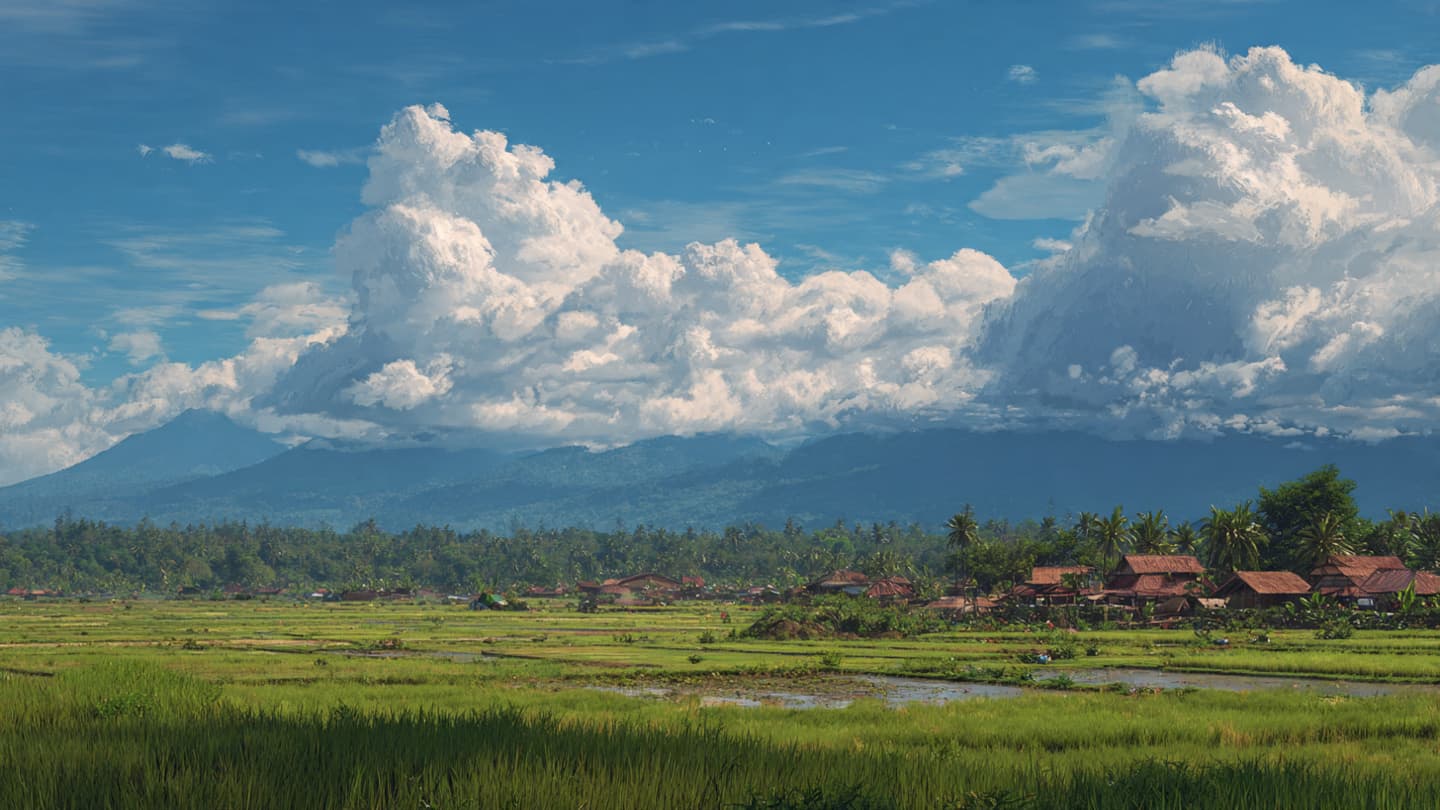
The sky rarely changes all at once. More often, transformation begins quietly. Clouds gather where sunlight once lingered, winds shift direction with little announcement, and rivers respond to distant rainfall long before communities notice the difference. Nature often communicates through gradual signs, inviting attention before demanding action. In recent days, Indonesian authorities have urged communities to remain alert following forecasts indicating the potential for extreme weather conditions in several regions. The warnings include risks associated with heavy rainfall, strong winds, localized flooding, and landslides that may affect vulnerable areas during the current weather period. Meteorological observations suggest that atmospheric conditions could support increased rainfall intensity across parts of the country. While rain remains essential to agriculture, water resources, and ecological balance, unusually intense precipitation can create challenges for communities living near rivers, hillsides, and low-lying areas. Officials from disaster management agencies have encouraged local governments to strengthen preparedness measures. These efforts include monitoring river conditions, evaluating evacuation procedures, inspecting critical infrastructure, and ensuring communication systems remain effective should emergency responses become necessary. Preparedness, authorities emphasize, is often most effective before severe conditions develop. Communities familiar with flood-prone environments frequently benefit from early planning, clear communication, and access to reliable information. Small preparations made in advance can help reduce disruption during adverse weather events. Reports from several regions have already documented localized weather-related incidents, including temporary flooding and transportation disruptions. While many situations have remained manageable, officials continue monitoring developments due to the possibility of changing weather patterns in the coming days. Meteorologists note that forecasts are designed to inform rather than alarm. Weather systems remain dynamic, and conditions can evolve quickly depending on local geography and atmospheric influences. Indonesia’s diverse landscape, ranging from coastal plains to mountainous terrain, contributes to variations in how weather impacts different communities. Economic sectors also pay close attention to meteorological developments. Farmers, transportation operators, tourism businesses, and local industries often rely on forecast information to adapt schedules and operational plans. Timely weather information can support both safety and continuity of activity. Beyond practical considerations, periods of changing weather often remind communities of their longstanding relationship with the natural environment. Generations have learned to observe seasonal shifts and adapt accordingly, combining traditional awareness with modern forecasting tools. As forecasts continue to be updated, authorities encourage residents to remain informed through official channels and to follow guidance issued by local emergency management agencies. The objective remains straightforward: ensuring that preparedness keeps pace with changing conditions before risks become emergencies.
AI Image Disclaimer Illustrations were produced with AI and serve as conceptual depictions.
Sources BMKG BNPB Antara Kompas Tempo
Note: This article was published on BanxChange.com and is powered by the BXE Token on the XRP Ledger. For the latest articles and news, please visit BanxChange.com