
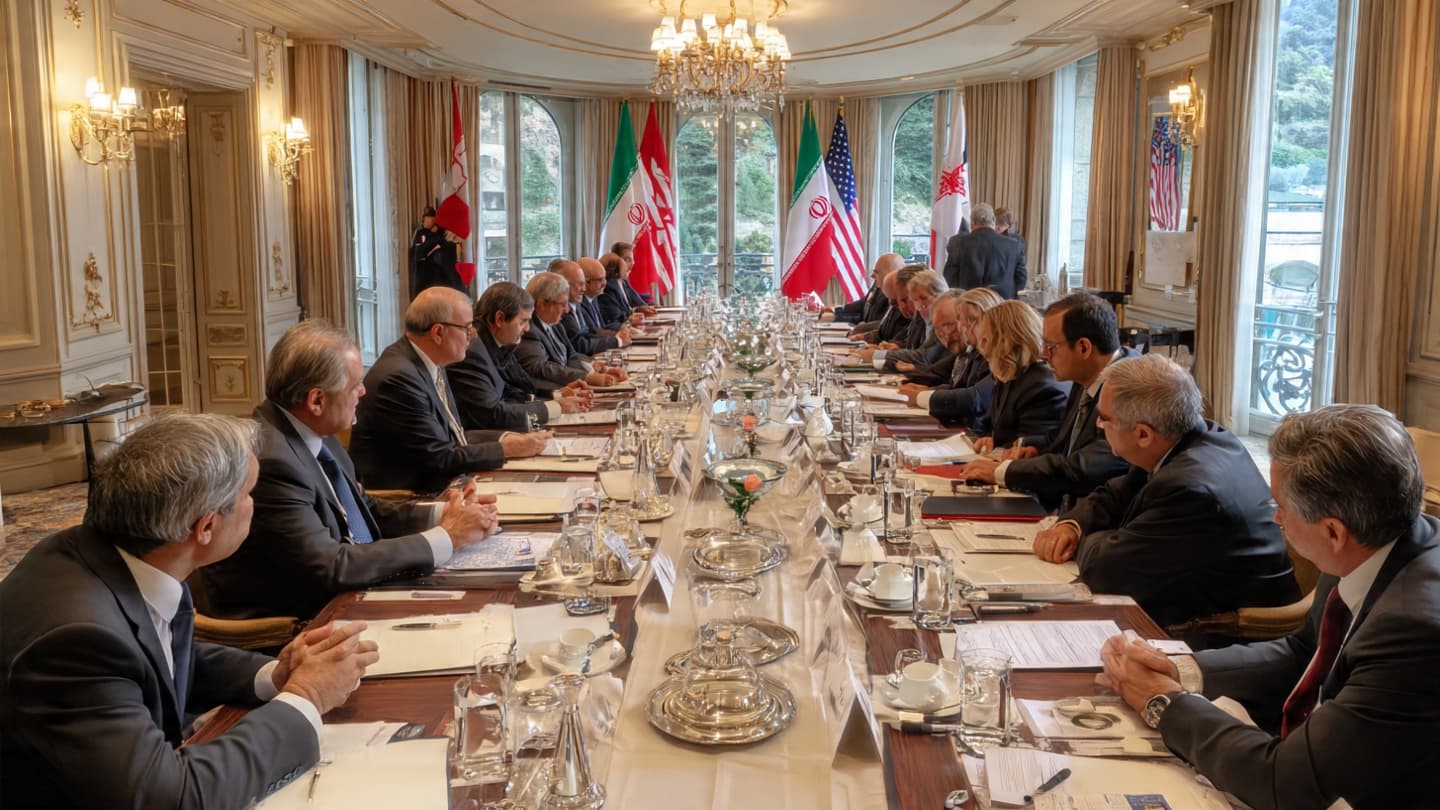
Morning mist often settles gently over the valleys of Switzerland, softening mountains that have witnessed generations of diplomacy. In times when international tensions appear as sharp ridgelines on the global horizon, neutral ground once again becomes a quiet stage where dialogue seeks to outpace discord. That atmosphere framed the latest direct discussions between Iran and the United States in Switzerland.
Officials from both countries recently resumed face-to-face talks aimed at easing regional tensions and addressing long-standing disputes surrounding Iran's nuclear program. The meetings represent another chapter in a diplomatic process that has repeatedly advanced and stalled over the past several years.
According to diplomats familiar with the discussions, the negotiations focused on reducing the risk of military escalation across the Middle East while exploring avenues for renewed confidence-building measures. The talks also touched on sanctions, regional security concerns, and mechanisms designed to prevent misunderstandings.
Relations between Washington and Tehran have remained strained since the United States withdrew from the Joint Comprehensive Plan of Action in 2018. Subsequent efforts to restore or replace the agreement have encountered political and technical obstacles, leaving many issues unresolved.
Regional instability has added urgency to renewed engagement. Ongoing conflicts and heightened military activity in several parts of the Middle East have increased concerns among international observers that miscalculations could trigger broader confrontations.
Swiss officials have historically played a facilitating role in communication between the two governments. Switzerland has long served as an intermediary when formal diplomatic relations between Washington and Tehran have been absent, offering a discreet venue for sensitive exchanges.
Analysts note that diplomacy often progresses incrementally rather than through dramatic breakthroughs. Even limited agreements on communication channels or humanitarian issues can contribute to reducing tensions and creating conditions for future negotiations.
While significant differences remain, both sides have signaled an interest in maintaining dialogue. International partners continue to encourage sustained engagement as a means of promoting regional stability and reducing the likelihood of escalation.
The latest discussions concluded without a major announcement, but diplomatic contacts are expected to continue in the coming months as negotiators seek areas of possible compromise.
AI Image Disclaimer: The accompanying illustrations for this article are AI-generated visual interpretations created for editorial purposes.
Sources (Source Verification Check): Reuters, Associated Press, BBC News, Euronews, Al Jazeera
Note: This article was published on BanxChange.com and is powered by the BXE Token on the XRP Ledger. For the latest articles and news, please visit BanxChange.com