
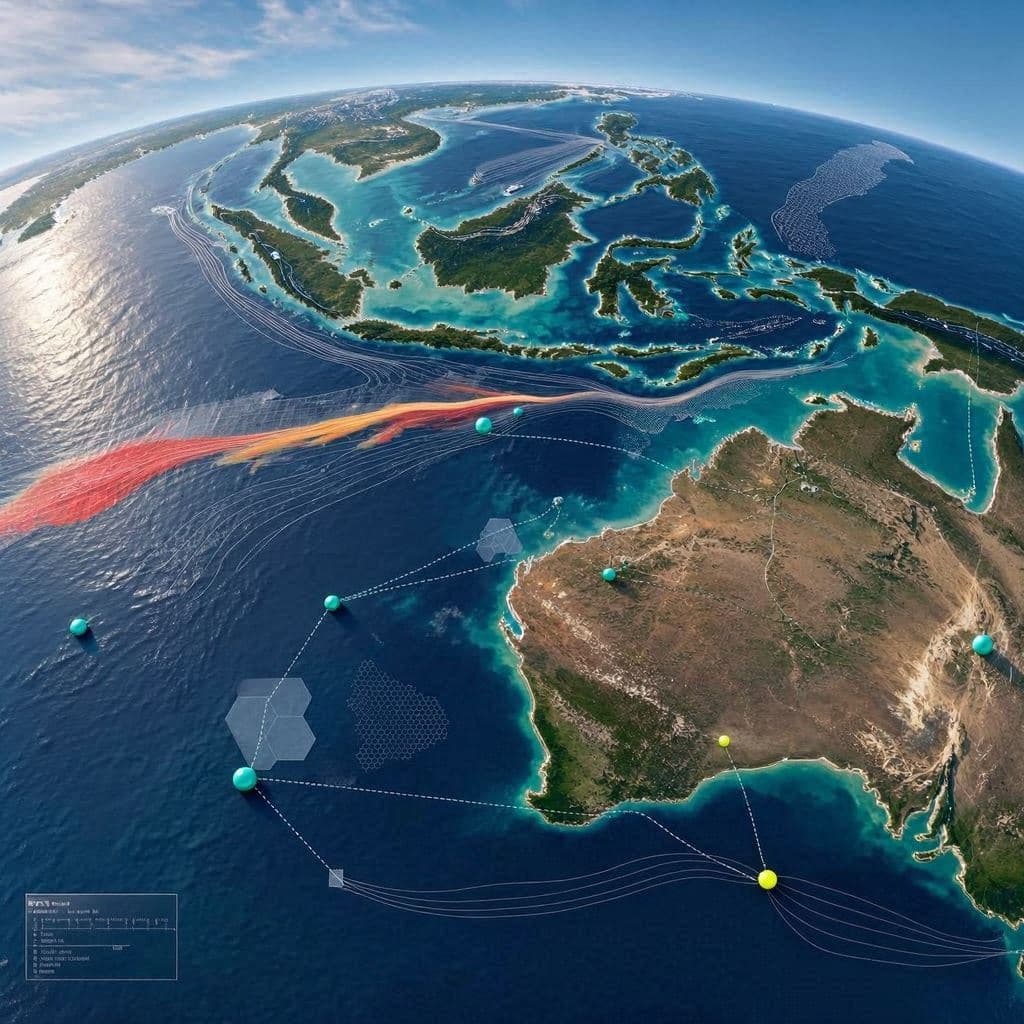
The oceans often move like a quiet heartbeat beneath the surface of the planet, shaping weather patterns far beyond the waves themselves. When the Pacific Ocean changes its rhythm, distant regions can feel the effects through shifts in temperature, rainfall, and seasonal conditions. As scientists monitor a developing El Niño event, Australia and other regions are preparing for possible changes in weather patterns.
El Niño is a natural climate phenomenon that occurs when parts of the tropical Pacific Ocean become warmer than usual, influencing atmospheric circulation around the world. Its effects vary from one event to another, but Australia often experiences increased risks of hotter and drier conditions during many El Niño periods, particularly in parts of the country.
Recent climate discussions have focused on forecasts suggesting a potentially strong El Niño event developing in 2026. Scientists and weather agencies are studying ocean temperatures, atmospheric patterns, and other indicators to understand how this event may influence regional climates in the months ahead.
Australia has a long history of preparing for weather extremes linked with heat and dryness. Previous El Niño events have been associated with reduced rainfall in some regions, higher temperatures, and increased conditions that can contribute to bushfire risks. However, experts emphasize that El Niño is one factor among many, and local weather outcomes depend on broader climate conditions.
The concerns come after a period of intense climate events in several parts of the world. Europe has experienced severe heat and wildfire conditions, while North America has also faced major fire seasons in recent years. Scientists continue to study how natural climate patterns interact with long-term global warming to influence the frequency and intensity of extreme weather.
For communities in Australia, preparation remains an important part of responding to climate uncertainty. Emergency planning, land management, water conservation, and public awareness programs are among the measures used to reduce risks during periods of extreme heat or fire danger.
The arrival of a strong climate pattern does not determine every weather event in advance. Instead, it provides scientists and communities with information that can support planning and decision-making. Forecasts serve as guides, helping societies prepare while recognizing the complexity of Earth’s climate system.
Beyond individual weather events, the discussion surrounding El Niño reflects a larger conversation about humanity’s relationship with a changing planet. The atmosphere and oceans are connected systems, and understanding those connections has become increasingly important as communities adapt to new environmental challenges.
As Australia looks toward the coming seasons, scientists will continue monitoring the Pacific Ocean and updating forecasts. The focus remains on preparedness, careful observation, and cooperation as the world navigates another chapter in its evolving climate story.
AI Image Disclaimer: The images accompanying this article are AI-generated visual interpretations of climate patterns, ocean conditions, and Australian landscapes. They are not actual photographs of future weather events.
Sources:
Australian Bureau of Meteorology CSIRO Copernicus Climate Change Service Reuters Associated Press
Published by Banx Network. This article is part of the Banx decentralized media programme, powered by the BXE token on the XRP Ledger.



