History is often reconstructed from fragments. A broken piece of pottery, a weathered bone, or a forgotten settlement can reveal stories that would otherwise remain lost. In a recent scientific investigation, researchers turned to an even smaller source of evidence: ancient DNA preserved within human teeth.
Using advanced genetic analysis techniques, scientists examined DNA recovered from prehistoric human remains dating back approximately 5,500 years. Their findings suggest that a serious infectious disease may have circulated among ancient populations much earlier than previously documented.
Teeth are particularly valuable to researchers because they can preserve biological material for thousands of years. Protected by hard enamel, traces of ancient pathogens sometimes remain detectable long after other evidence has disappeared.
The study identified genetic signatures associated with a disease-causing organism believed to have infected prehistoric communities. The discovery provides a rare glimpse into the health challenges faced by early human populations.
Researchers note that understanding ancient diseases can improve knowledge of how pathogens evolve over time. Many modern illnesses have deep historical roots, and tracing their development helps scientists reconstruct patterns of transmission and adaptation.
The findings also contribute to the growing field of paleogenomics, which combines archaeology, genetics, and anthropology. Advances in DNA sequencing technology have transformed the discipline, allowing researchers to study ancient biological material with unprecedented precision.
Beyond disease history, the research offers insight into migration, trade networks, and social interactions among prehistoric groups. Pathogens often travel alongside human movement, making disease evidence a useful tool for understanding broader historical connections.
Scientists emphasize that many questions remain unanswered. Additional samples from different regions and time periods will be necessary to determine how widespread the outbreak may have been and how it influenced ancient societies.
Even so, the discovery highlights the remarkable ability of modern science to uncover stories hidden for millennia. From a single tooth, researchers have opened a window into a distant chapter of human history, revealing challenges faced by communities long before written records existed.
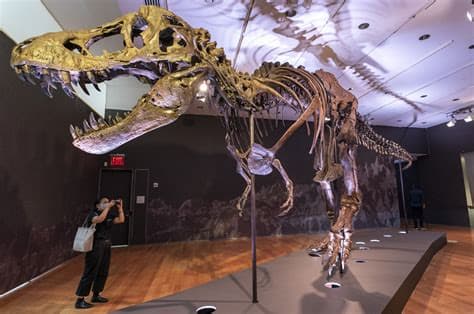
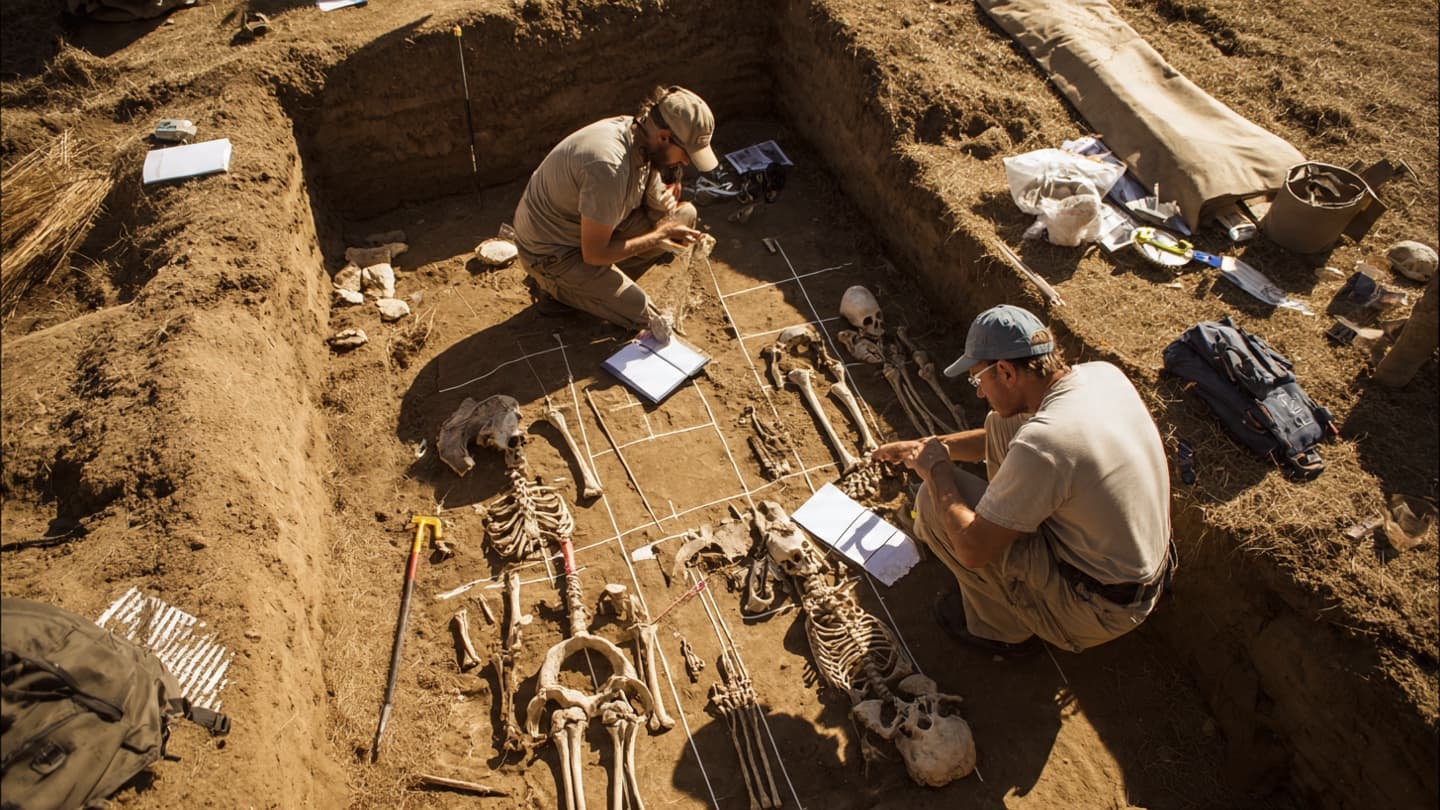
AI Image Disclaimer: The visuals associated with this article are AI-generated reconstructions created for educational and editorial purposes and are not photographs of actual archaeological discoveries.
Source Verification Check: Nature, paleogenomics researchers, archaeological science institutions
Published by Banx Network. This article is part of the Banx decentralized media programme, powered by the BXE token on the XRP Ledger.