In the life cycle of stars, endings are not always quiet fadeouts. Some conclude their existence with extraordinary brilliance, briefly outshining entire galaxies and leaving behind questions as much as light.
Astronomers observing unusually bright supernovae have identified events that exceed expected luminosity levels based on standard stellar collapse models. These findings suggest that additional physical mechanisms may be involved.
One leading hypothesis involves magnetars—highly magnetic neutron stars—that may inject additional energy into expanding supernova remnants. This could significantly amplify brightness and duration.
Researchers analyze light curves and spectral signatures to determine how energy is distributed during these explosive events. Each observation provides insight into the internal processes of dying stars.
These supernovae challenge traditional classification systems, indicating that stellar deaths may follow more diverse pathways than previously understood. Not all massive stars behave in the same way at the end of their life cycle.
Scientific teams caution that multiple mechanisms may contribute to observed brightness, and no single model currently explains all cases. This keeps the field open to further discovery.
Beyond their brightness, supernovae play a crucial role in distributing heavy elements across the universe, contributing to the formation of planets and, eventually, life-supporting environments.
As research continues, these extraordinary stellar explosions highlight the complexity of cosmic evolution, where even endings can reveal new beginnings in scientific understanding.
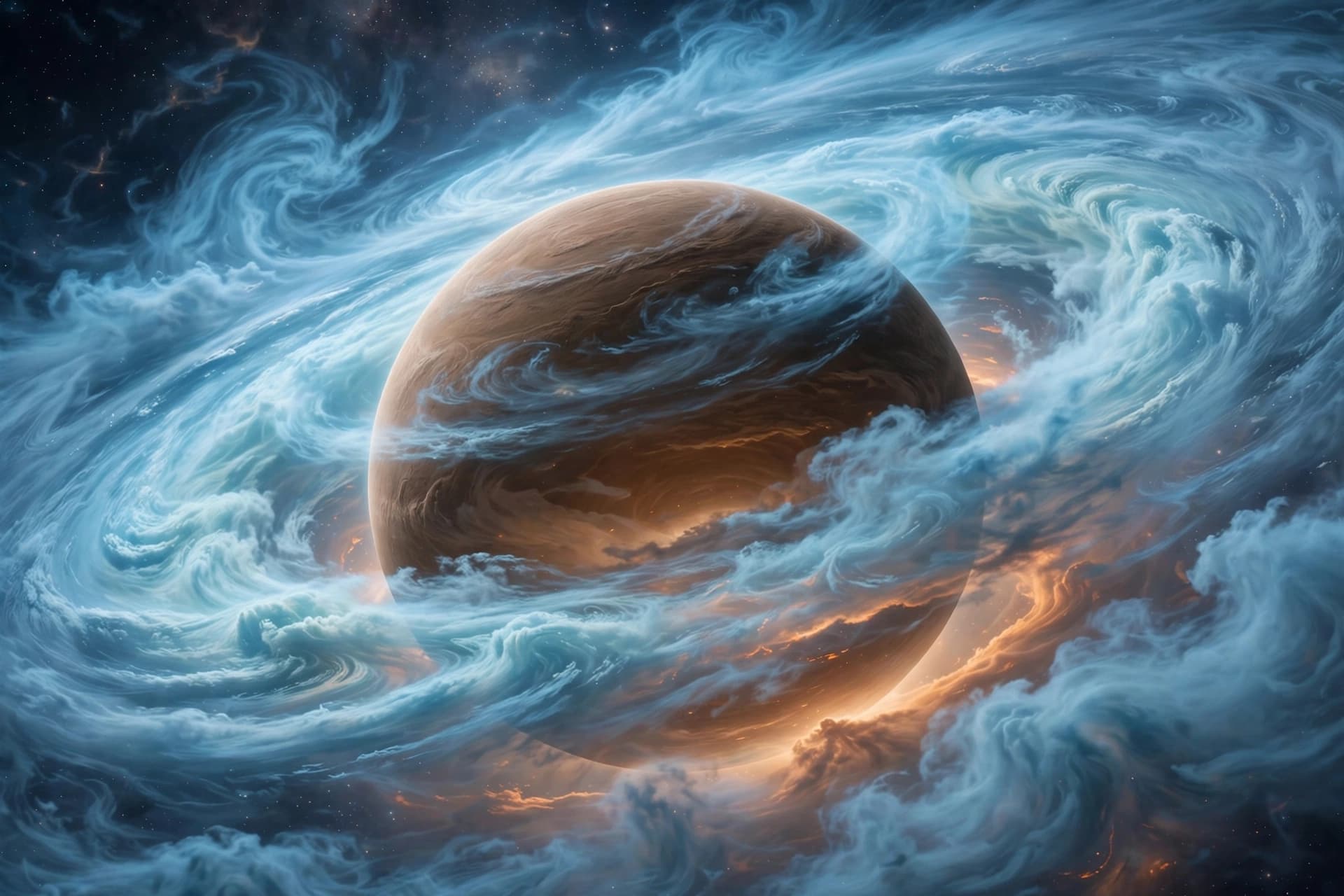
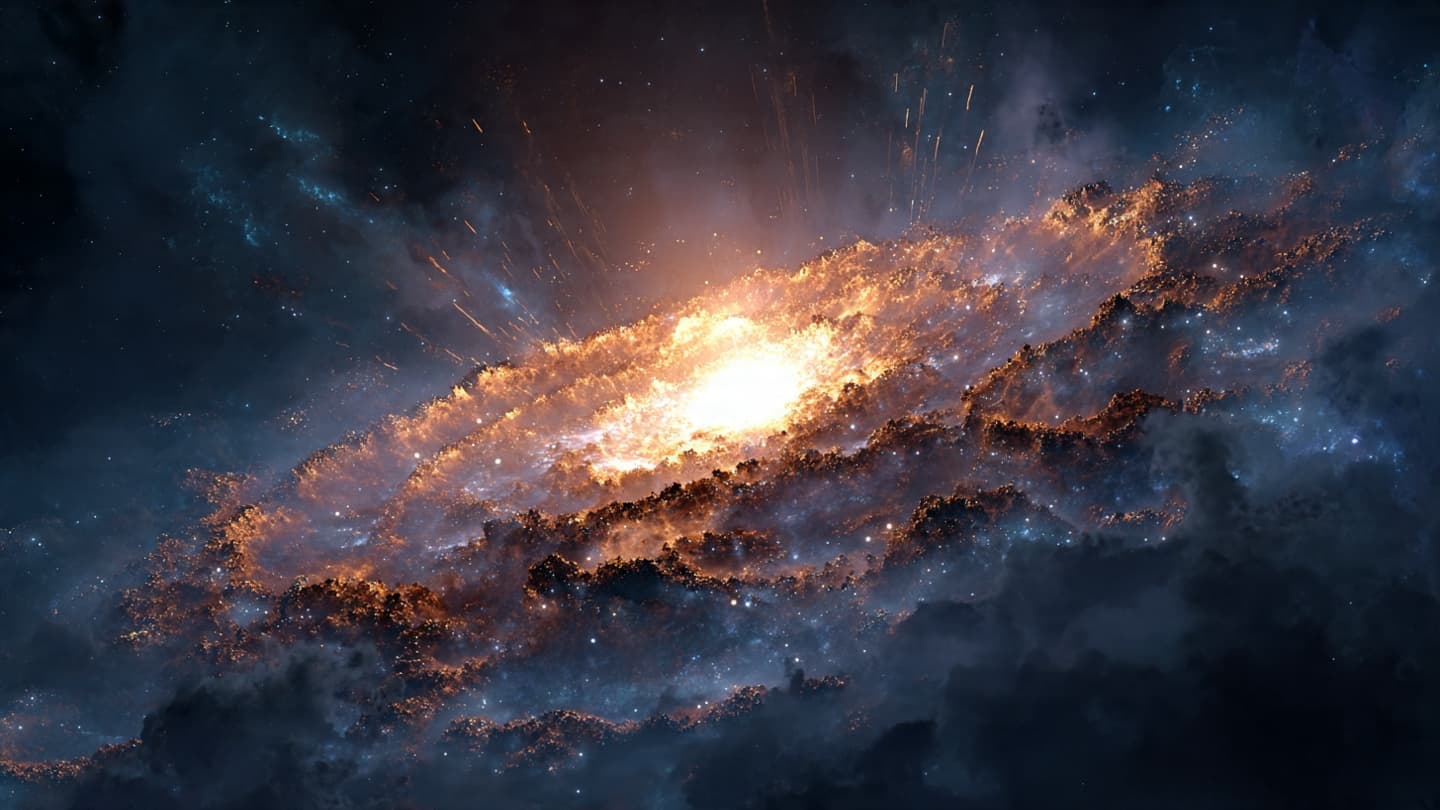
AI Image Disclaimer: Images are AI-generated conceptual representations of supernova explosions and astrophysical phenomena.
Sources: NASA Astrophysics, ESA, Nature Astronomy, Astrophysical Journal, ScienceDaily
Published by Banx Network. This article is part of the Banx decentralized media programme, powered by the BXE token on the XRP Ledger.