In the vast architecture of the universe, most events leave behind light, heat, or radiation that can be observed across time and space. Yet there are messengers that travel differently—silent, nearly invisible, and astonishingly difficult to capture.
Recent observations reported by collaborations such as IceCube, and discussed in scientific outlets including Nature Physics and ScienceDaily, indicate the detection of an extremely high-energy neutrino event. This particle stands out due to its unusually strong energy signature compared to previously recorded neutrinos.
Neutrinos are often described as “ghost particles” because they rarely interact with matter. Trillions pass through Earth every second without leaving a trace. Detecting even one requires vast, highly sensitive instruments located deep underwater, underground, or in polar ice.
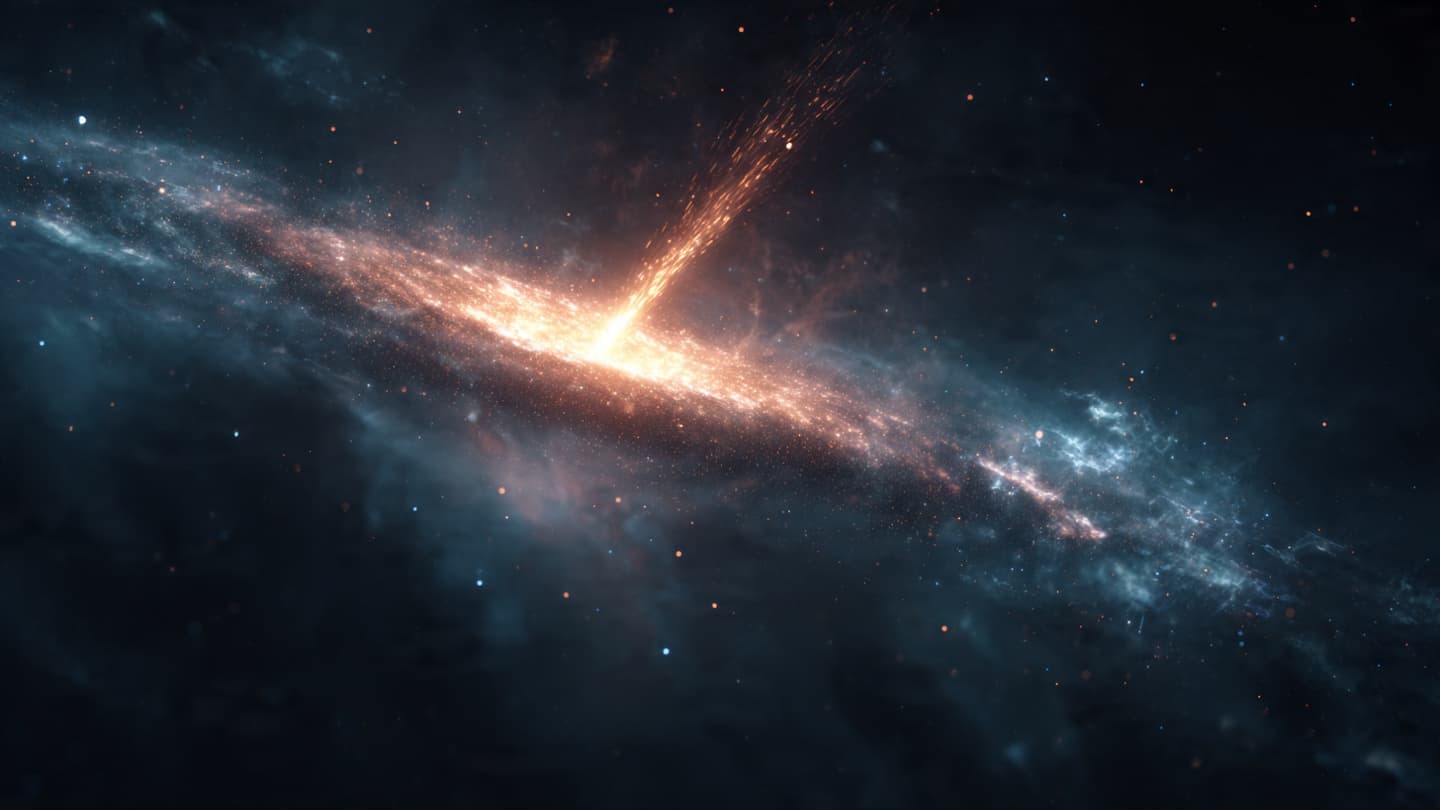
The extraordinary energy level of this particular neutrino suggests it may have originated from an extreme cosmic event such as a supermassive black hole environment, a gamma-ray burst, or another high-energy astrophysical phenomenon. However, pinpointing the exact source remains a complex challenge.
Scientists are currently correlating this detection with astronomical observations to identify possible matching events in space. This multi-messenger approach combines neutrino data with light and other electromagnetic signals to better understand cosmic origins.
The significance of such a detection lies not only in its rarity but in its ability to reveal processes that are otherwise hidden from traditional telescopes. Neutrinos can escape dense environments where light cannot, carrying information directly from their sources.
While this discovery is not yet fully interpreted, it adds an important data point to the growing field of neutrino astronomy, which seeks to map the universe through these elusive particles.
The detection of this powerful neutrino serves as a reminder that the universe still communicates in ways we are only beginning to understand.
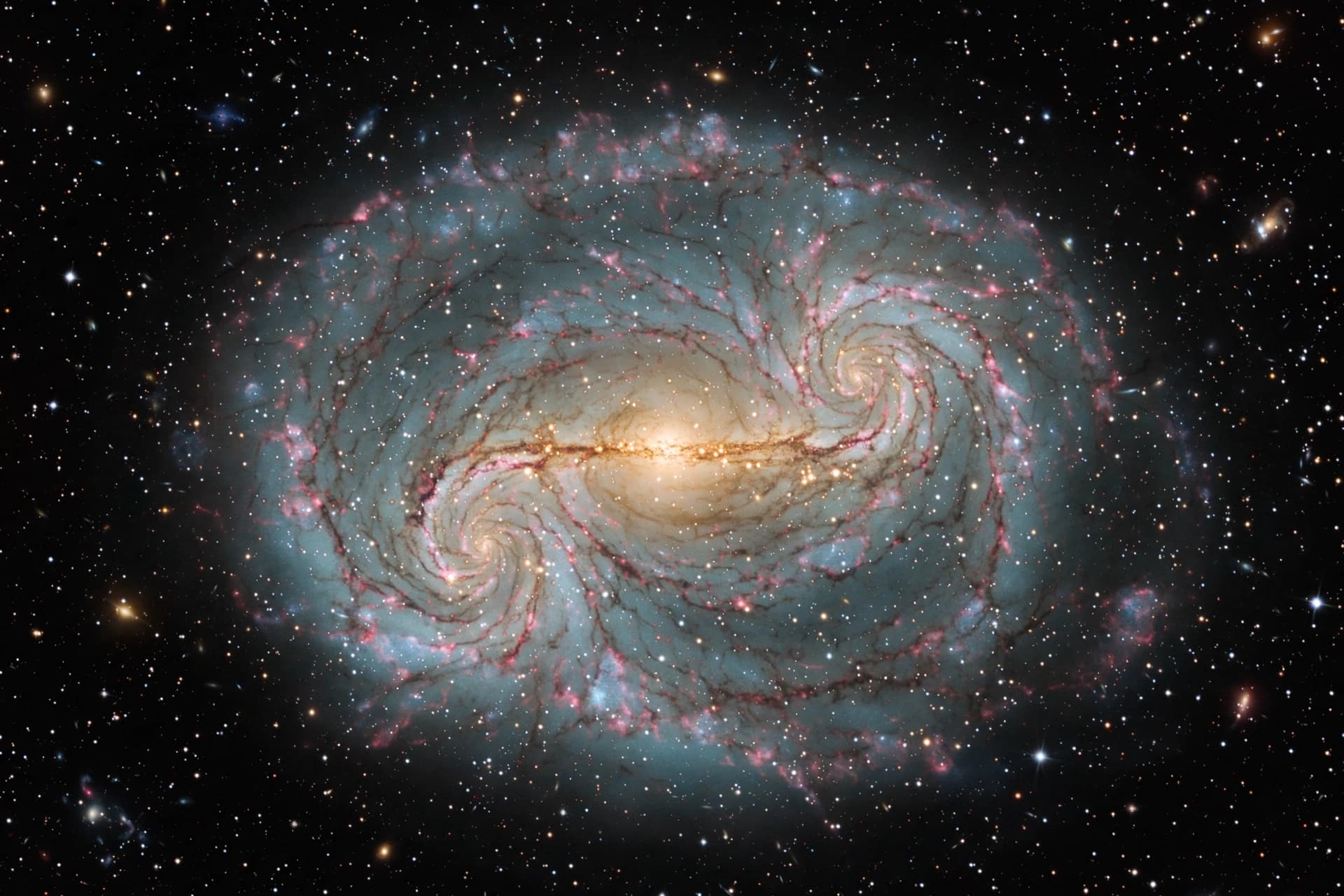
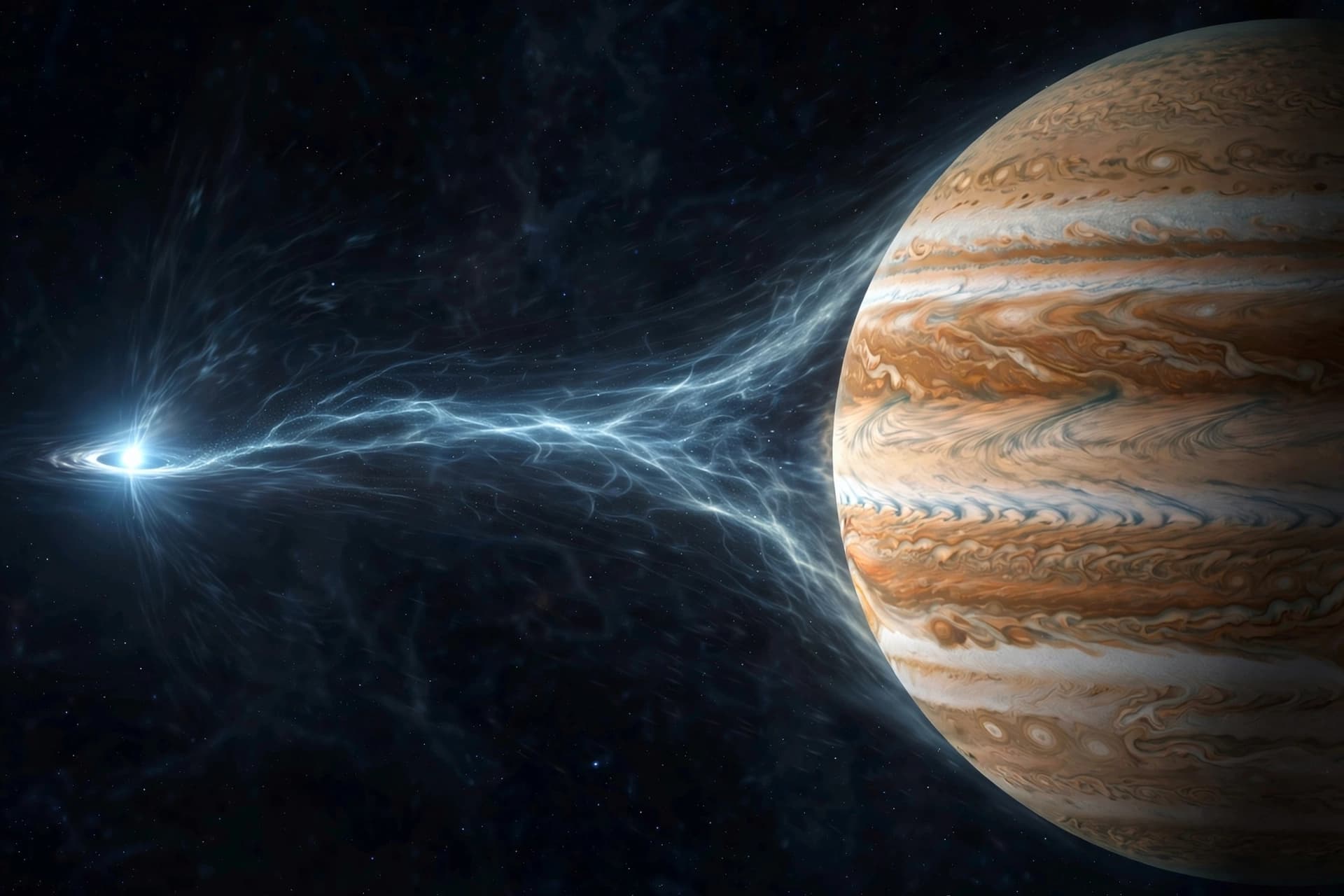
AI Image Disclaimer: Images in this article are AI-generated for editorial visualization purposes.
Sources: IceCube Collaboration, Nature Physics, ScienceDaily, CERN Astroparticle Division
Published by Banx Network. This article is part of the Banx decentralized media programme, powered by the BXE token on the XRP Ledger.