
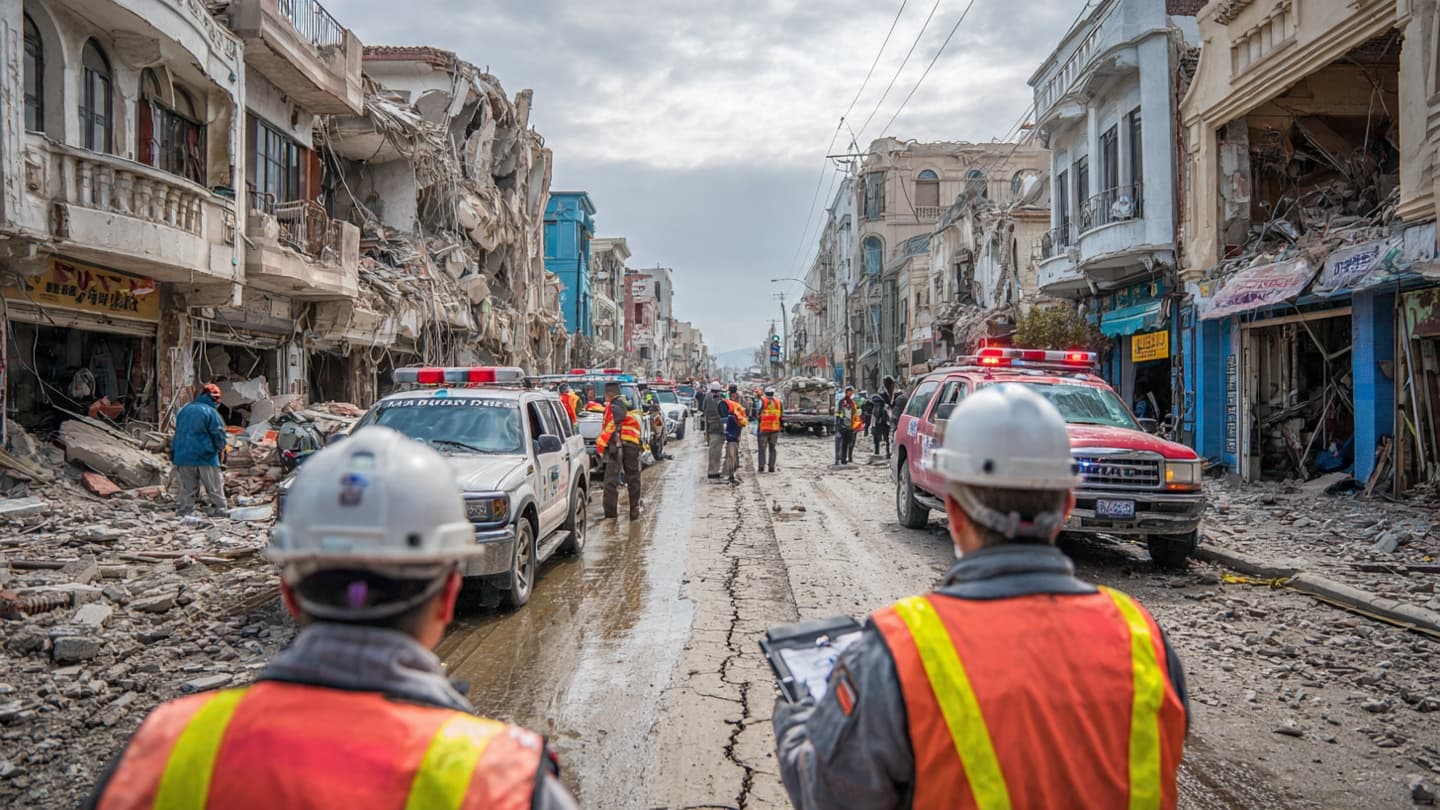
Nature often moves according to rhythms beyond human control. Most days, those rhythms remain unnoticed beneath cities, coastlines, and mountain ranges. Yet occasionally, the earth reminds communities of its immense power. Such was the case when a powerful magnitude 7.8 earthquake struck the Philippines, drawing immediate attention from emergency authorities and international observers.
The earthquake was felt across multiple regions, prompting evacuations, temporary closures, and emergency response efforts. Officials quickly assessed infrastructure, public facilities, and transportation networks to determine the extent of the impact. Safety inspections became a priority as communities sought to understand the consequences of the event.
The Philippines is located within the Pacific Ring of Fire, one of the most seismically active regions on Earth. Because of this geographic position, earthquakes and volcanic activity are recurring realities for millions of residents throughout the archipelago.
Following the earthquake, local authorities urged residents to remain cautious, particularly in areas vulnerable to aftershocks. Emergency management agencies coordinated with regional governments to provide information, monitor conditions, and support affected communities.
Natural disasters often reveal both vulnerability and resilience. While earthquakes can disrupt transportation, communication, and daily routines, they also highlight the importance of preparedness measures developed over many years. Emergency drills, building regulations, and public awareness campaigns play significant roles during such events.
Scientists continue studying seismic activity to improve forecasting models and risk assessments. Although precise earthquake prediction remains beyond current capabilities, advances in monitoring technology have strengthened early-warning systems and emergency response planning.
Across the affected areas, residents shared stories of cooperation and support. Community organizations, volunteers, and local officials worked together to address immediate needs while ensuring public safety remained the highest priority.
International agencies and neighboring countries also monitored the situation closely. Large earthquakes can influence regional transportation, humanitarian planning, and disaster-response coordination across national boundaries.
As assessments continue and recovery efforts move forward, authorities remain focused on restoring normal conditions. The earthquake serves as a reminder of both the challenges posed by natural hazards and the resilience that communities demonstrate when confronted by them.
AI Image Disclaimer The accompanying image is AI-generated and intended solely to illustrate the news topic.
Sources Associated Press, Reuters, Philippine News Agency, BBC News
Note: This article was published on BanxChange.com and is powered by the BXE Token on the XRP Ledger. For the latest articles and news, please visit BanxChange.com