
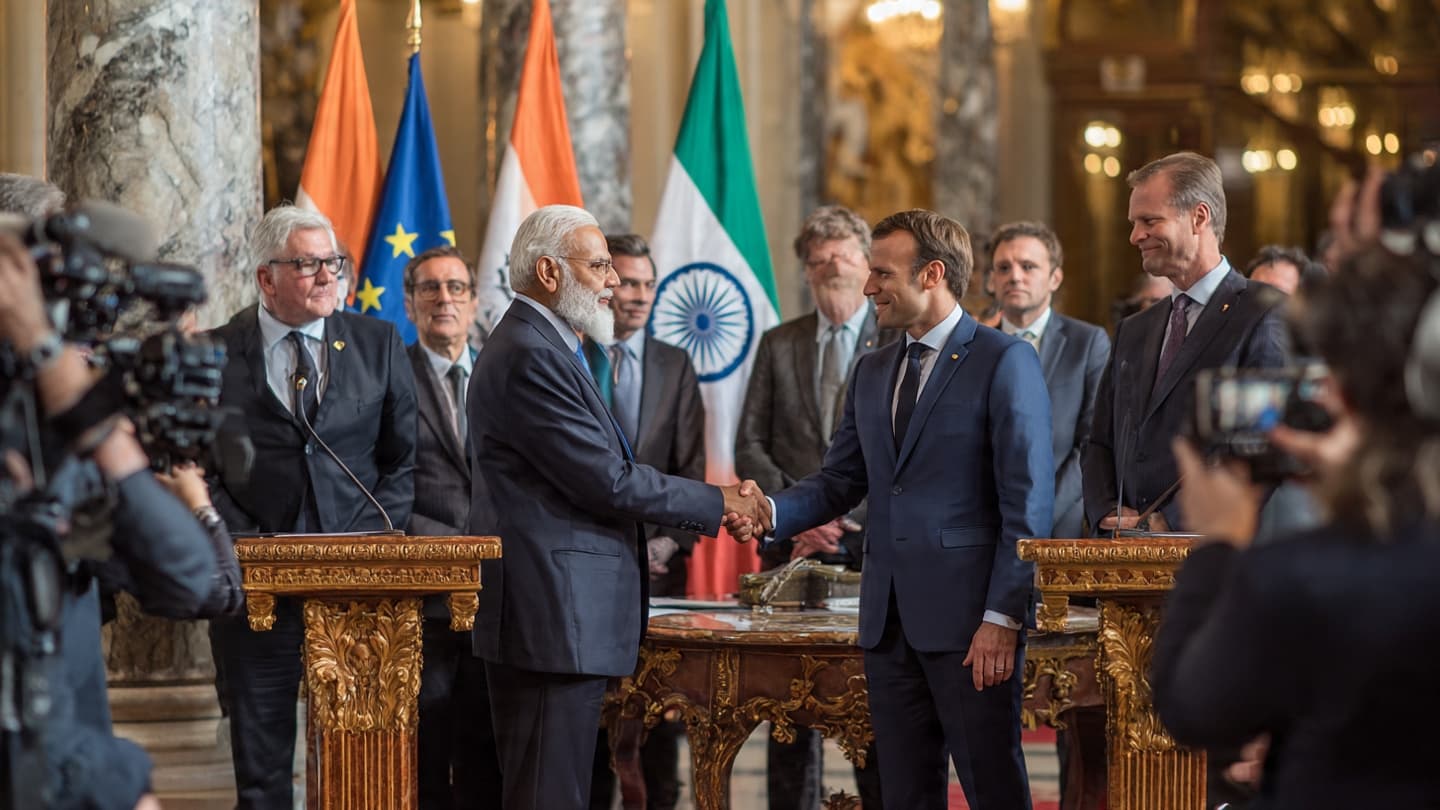
Diplomacy often moves like a carefully woven thread, connecting nations through conversations, agreements, and shared interests. While headlines frequently focus on crises and conflicts, international visits by national leaders remain one of the most important tools for building long-term relationships. Indian Prime Minister Narendra Modi's visit to France and Slovakia reflects this enduring aspect of global affairs.
The multi-country trip has drawn attention because of the growing strategic and economic ties between India and European nations. Meetings with government officials, business leaders, and diplomatic representatives are expected to cover a wide range of topics, including trade, technology, defense cooperation, and international security.
India's role on the global stage has expanded significantly in recent years. As one of the world's largest economies and most populous countries, it has increasingly sought stronger partnerships with countries across Europe, Asia, and North America.
France has long maintained close relations with India. Cooperation between the two nations extends across several sectors, including defense, energy, aerospace, and scientific research. Bilateral discussions are expected to reinforce existing agreements while exploring opportunities for future collaboration.
The inclusion of Slovakia in the visit highlights India's broader engagement with European partners beyond the continent's largest economies. Smaller nations often play important roles in trade networks, industrial partnerships, and regional cooperation frameworks.
Economic considerations are expected to feature prominently throughout the trip. Businesses in both India and Europe continue exploring opportunities in manufacturing, digital technology, renewable energy, and infrastructure development. Government-level engagement often helps create conditions that support such initiatives.
International diplomacy also involves discussions about global challenges. Issues such as climate change, energy security, supply chains, and geopolitical stability frequently appear on the agenda during high-level meetings between world leaders.
Observers note that official visits can carry symbolic value alongside practical outcomes. Face-to-face meetings provide opportunities to strengthen trust, clarify priorities, and reinforce commitments that may influence future cooperation.
As the visit continues, governments and analysts will monitor announcements emerging from the discussions. Regardless of immediate outcomes, the trip reflects the continuing importance of diplomacy as nations seek to navigate an increasingly interconnected world.
AI Image Disclaimer The visual featured in this article is AI-generated and intended to illustrate diplomatic engagement in a neutral manner.
Sources Reuters, Associated Press, The Hindu, France 24
Note: This article was published on BanxChange.com and is powered by the BXE Token on the XRP Ledger. For the latest articles and news, please visit BanxChange.com