Scientific discovery often advances in quiet increments, like seeds carried by the wind before taking root in unexpected places. Occasionally, however, a new finding arrives with the potential to reshape an entire field. Researchers now believe they may have uncovered such a development in the world of plant genetics.
Scientists have developed a new gene-editing system derived from birds that can insert DNA into plant genomes up to 30 times more efficiently than conventional CRISPR-based techniques. The breakthrough, reported by researchers at the University of California, Berkeley, could significantly accelerate crop improvement and agricultural biotechnology.
The new technology relies on a naturally occurring enzyme called IS110 transposase, which originates from mobile genetic elements found in bird genomes. Unlike traditional CRISPR methods that often depend on cellular repair mechanisms, the new system is designed to insert larger segments of DNA directly and with greater precision.
Researchers demonstrated the tool's effectiveness in rice plants, successfully introducing desired genetic traits at substantially higher rates than standard gene-editing approaches. The scientists reported that the technique allowed for the insertion of entire genes, rather than making only small edits to existing DNA sequences.
Experts say the ability to efficiently insert large DNA segments could open new possibilities for developing crops with improved resistance to disease, drought, and climate-related stresses. It may also help researchers engineer plants with enhanced nutritional qualities or increased productivity.
Although CRISPR remains a widely used and transformative technology, scientists have long sought methods that improve the efficiency of gene insertion, particularly in plants where DNA integration can be challenging. The newly developed system may complement rather than replace existing CRISPR tools.
Additional studies are expected to examine the technology's performance across a wider range of plant species and agricultural applications. Researchers also plan to evaluate long-term stability and safety before commercial use becomes feasible.
While further testing remains necessary, the discovery highlights how insights drawn from nature can continue to inspire innovations that shape the future of food production and agricultural science.
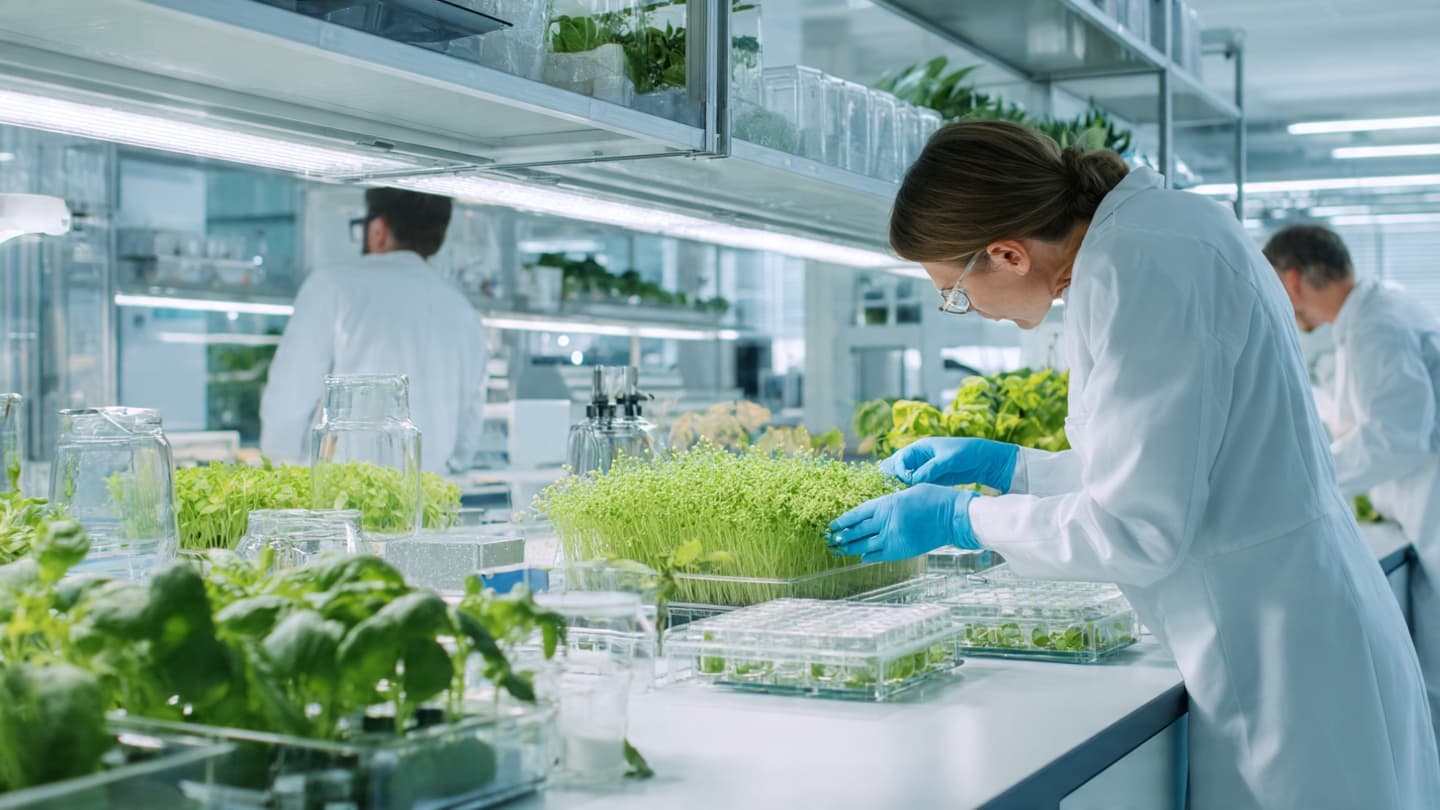
AI Image Disclaimer: The images accompanying this article are AI-generated visual representations created solely for illustrative purposes.
Sources (verification check): Nature Biotechnology, University of California Berkeley, Science News, Reuters
Published by Banx Network. This article is part of the Banx decentralized media programme, powered by the BXE token on the XRP Ledger.