
Key Highlights
- Polish Foreign Minister Radosław Sikorski advocates for direct negotiations between Ukraine and Russia.
- Sikorski argues that existing bilateral discussions on humanitarian issues set a precedent for direct talks.
- The minister emphasizes that European nations are not neutral and that progress hinges on Russia's willingness to engage in ceasefire discussions.
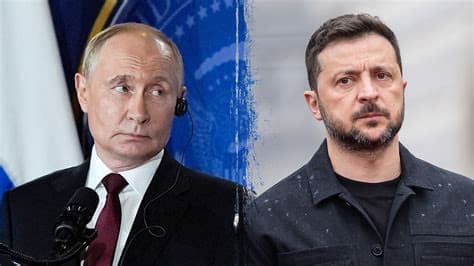
Polish Foreign Minister Radosław Sikorski has made headlines by asserting that future negotiations to end the ongoing conflict between Ukraine and Russia should occur directly between the two nations' leaders, Volodymyr Zelenskyy and Vladimir Putin. In a recent interview reported by European Pravda via CBS News, Sikorski expressed his belief that intermediaries are unnecessary for these critical discussions.
Sikorski's argument is grounded in the observation that Ukraine and Russia have already engaged in direct negotiations on specific humanitarian issues, such as the exchange of fallen soldiers' bodies and prisoners of war. He posits that this existing framework of bilateral communication demonstrates the feasibility of direct talks on broader issues, including a potential ceasefire or peace agreement.
The Polish minister's stance reflects a growing sentiment among some European leaders who believe that external mediation could complicate rather than facilitate the negotiation process. Sikorski's comments highlight the urgency of the situation, suggesting that the resolution of the conflict hinges on the willingness of both leaders to engage directly.
Furthermore, Sikorski pointed out that European countries are not neutral parties in this conflict. He emphasized that their involvement and perspectives are shaped by the ongoing war's impact on regional stability and security. This assertion underscores the complexity of the geopolitical landscape surrounding the conflict, as European nations navigate their roles amid the crisis.
The minister's remarks also imply that the success of any negotiations will depend significantly on Putin's readiness to commit to a ceasefire or a more comprehensive peace arrangement. Sikorski's emphasis on direct dialogue suggests that he believes genuine progress can only be achieved if both leaders are willing to engage openly and honestly with one another.
As the war continues to evolve, the call for direct negotiations raises important questions about the future of diplomatic efforts in the region. The international community watches closely as developments unfold, with many hoping that a renewed commitment to dialogue could pave the way for a lasting resolution to the conflict.
In conclusion, Sikorski's advocacy for direct talks between Zelenskyy and Putin reflects a critical perspective on the negotiation process, emphasizing the importance of bilateral communication in achieving peace. As the situation remains fluid, the potential for direct engagement between the two leaders could be a pivotal factor in shaping the future of Ukraine-Russia relations.
Published by Banx Network. This article is part of the Banx decentralized media programme, powered by the BXE token on the XRP Ledger.



