Nature often reminds humanity that even ancient forests can change in a matter of hours. In the rugged landscapes of northern Sumatra, recent flooding has left more than damaged roads and displaced communities. Scientists now warn that the disaster may also have delivered a severe blow to one of the world's rarest great apes.
A recent scientific assessment indicates that devastating floods in parts of Sumatra may have wiped out at least seven percent of the remaining population of the critically endangered Tapanuli orangutan. The species is found only in a limited area of North Sumatra, making it especially vulnerable to environmental disturbances.
The Tapanuli orangutan was officially identified as a distinct species in 2017 and is considered the rarest great ape on Earth. Researchers estimate that fewer than 800 individuals remain in the wild.
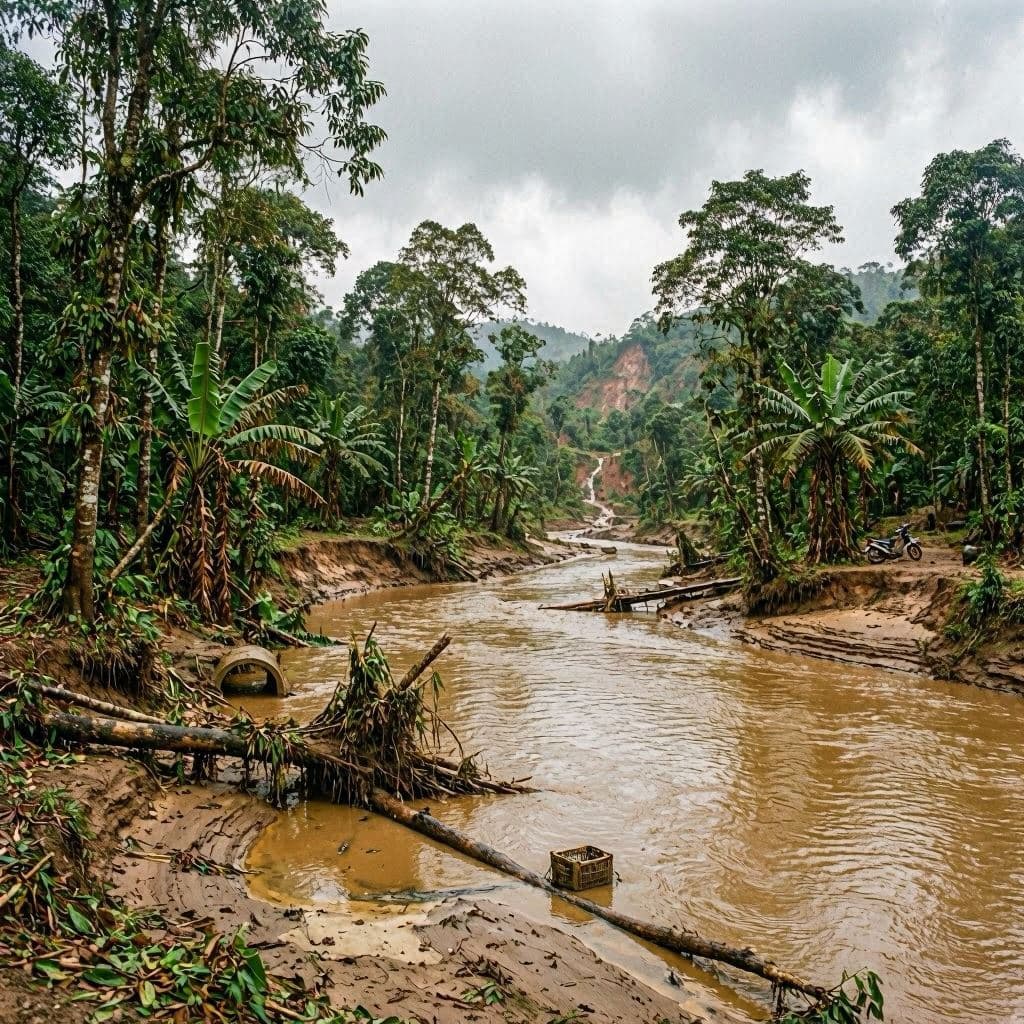
Heavy flooding and landslides struck portions of the species' habitat earlier this year, damaging forest ecosystems and altering critical feeding and nesting areas. Conservationists fear that habitat fragmentation could further isolate already small populations.
Scientists involved in the assessment emphasized that accurate population monitoring in dense rainforest environments remains challenging. Nevertheless, available evidence suggests the impact on local orangutan groups may be significant.
Environmental organizations have long expressed concern over pressures facing the species, including habitat loss, infrastructure development, and climate-related disruptions. Extreme weather events can intensify these existing threats.
Conservation experts argue that protecting remaining forest corridors is essential for ensuring long-term species survival. Restoring damaged habitat and strengthening ecosystem resilience are also considered urgent priorities.
Indonesia has undertaken various conservation measures in recent years, including protected area management and wildlife monitoring programs. However, researchers note that continued collaboration among government agencies, local communities, and conservation groups will remain crucial.
As recovery efforts continue in affected regions, scientists are expected to conduct further field surveys to better understand the full impact of the disaster on the Tapanuli orangutan population.
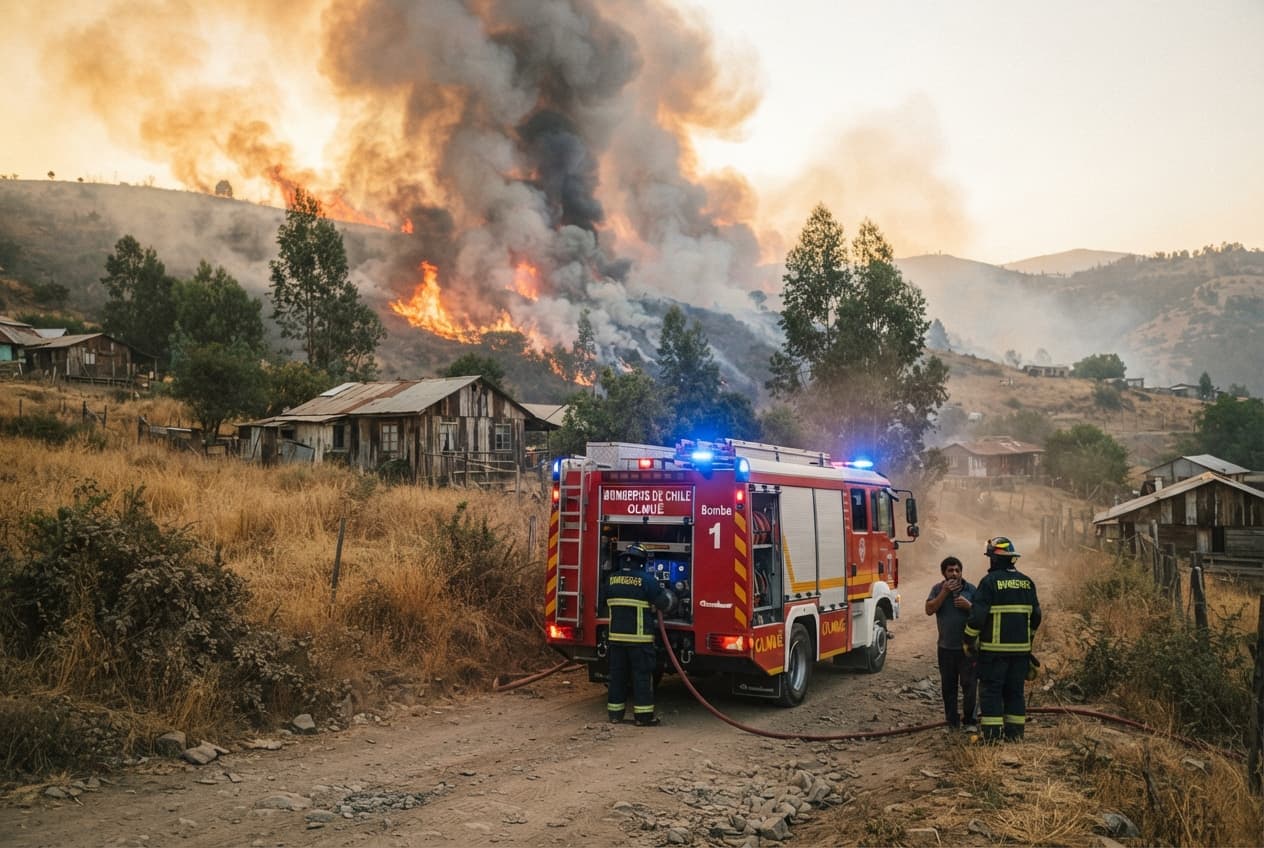
AI Image Disclaimer: Visual depictions included in this article are AI-generated illustrations intended to support editorial storytelling.
Source Verification Check: Reuters, IUCN, Mongabay, GMA News
Published by Banx Network. This article is part of the Banx decentralized media programme, powered by the BXE token on the XRP Ledger.