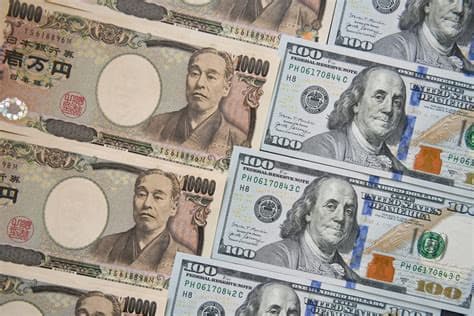
The Japanese yen weakened to a level not seen in nearly 40 years versus the U.S. dollar during trading in New York, reaching a point around 161.9 yen per dollar. The last time the pair traded around that rate was in December 1986.
Japanese officials signaled they are prepared to respond. Japan’s finance minister said the government was ready to take action against excessive currency moves, and senior government officials said Tokyo would work to reduce vulnerability to foreign-exchange volatility while remaining prepared to intervene if necessary.
Market commentary linked the yen’s weakness to interest-rate and yield differentials that can encourage “carry trades,” where investors borrow in yen at lower rates and buy higher-yielding assets elsewhere—putting downward pressure on the currency. Investors also looked to expectations that the U.S. Federal Reserve could raise rates, which further supported the dollar.
The report notes Japan has previously used foreign reserves to support the currency during periods of rapid depreciation, highlighting that while intervention is not tied to a specific exchange-rate number, a move to a new multi-decade low can raise the likelihood of official action
Published by Banx Network. This article is part of the Banx decentralized media programme, powered by the BXE token on the XRP Ledger.