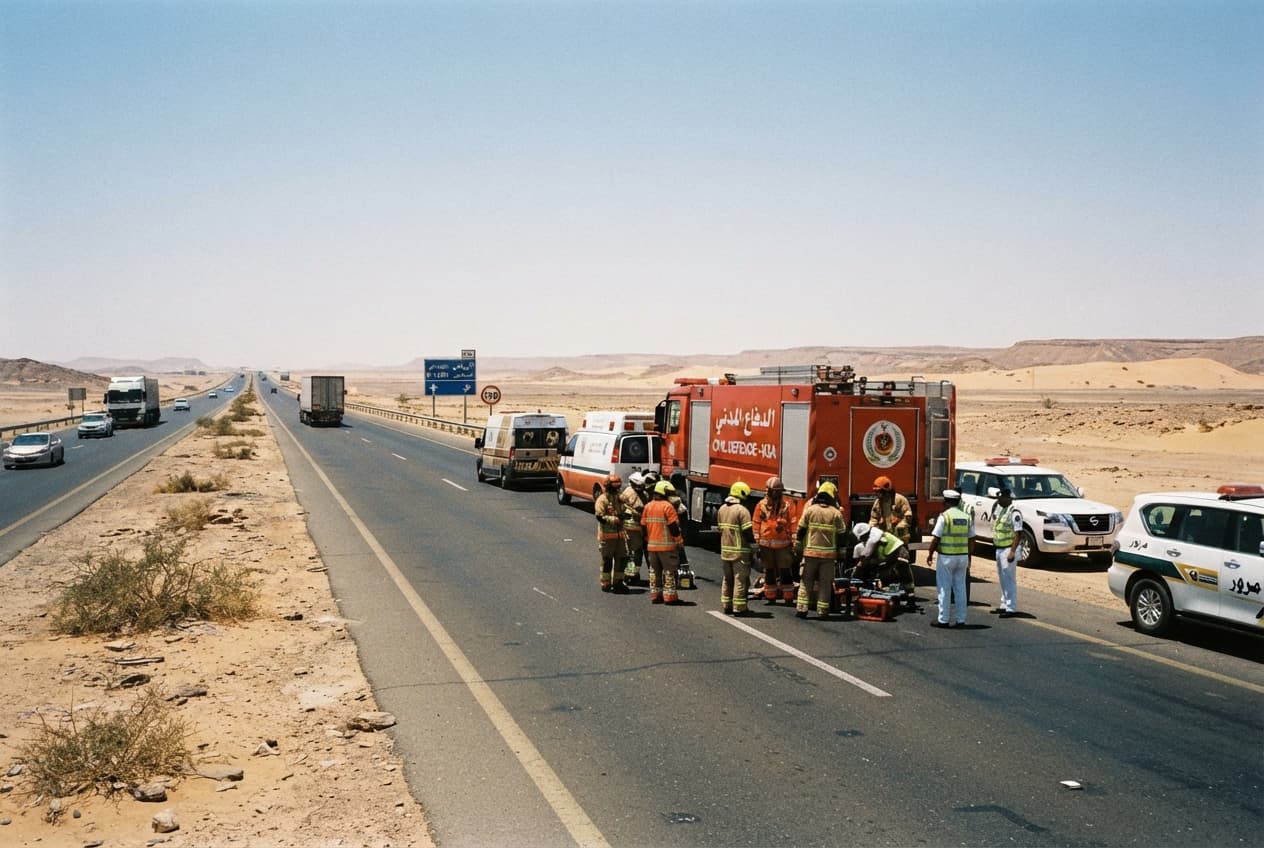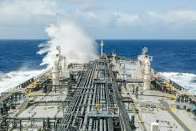
On May 30, 2026, the heads of four leading global economic institutions—the International Energy Agency (IEA), International Monetary Fund (IMF), World Bank Group, and World Trade Organization (WTO)—announced that disruptions in oil shipments, particularly through the crucial Strait of Hormuz, are creating growing risks for the world economy. Their joint statement came after a high-level coordination meeting to address the economic, trade, and energy implications of ongoing regional conflicts.
The Strait of Hormuz, which facilitates the transport of nearly 20% of the world’s oil, has seen significant disruptions due to escalating tensions. As a result, global oil inventories are being drawn down at an unprecedented rate, with estimates showing a depletion of essential stockpiles. The institutions warned that continued shipping disruptions could exacerbate fuel security risks, particularly as the Northern Hemisphere approaches its peak summer demand season.
The leaders noted that, while the global economy has shown resilience, the ramifications of the conflict disproportionately affect vulnerable economies. Higher fuel and fertilizer prices coupled with increased uncertainty have intensified pressure on jobs and livelihoods, particularly in low-income countries.
In their assessment, the institutions highlighted that if the current pace of oil supply loss persists, it could lead to even higher prices and fuel shortages. They urged countries to closely monitor energy, trade, and fertilizer supply chains, coordinating support for those most affected by the crisis.
The ongoing turmoil in the Middle East has triggered a complex set of economic repercussions, with energy-importing nations facing enhanced risks due to limited fiscal space and external buffers. As oil prices soar, nations with significant dependence on imports face increasing challenges to secure their energy needs.
The IEA reiterated its mission to help member countries navigate through such crises, prioritizing energy security and economic stability amid growing geopolitical tensions. With the situation continuing to evolve, coordinated efforts among global institutions will be vital to mitigate risks and sustain economic stability worldwide.
Published by Banx Network. This article is part of the Banx decentralized media programme, powered by the BXE token on the XRP Ledger.