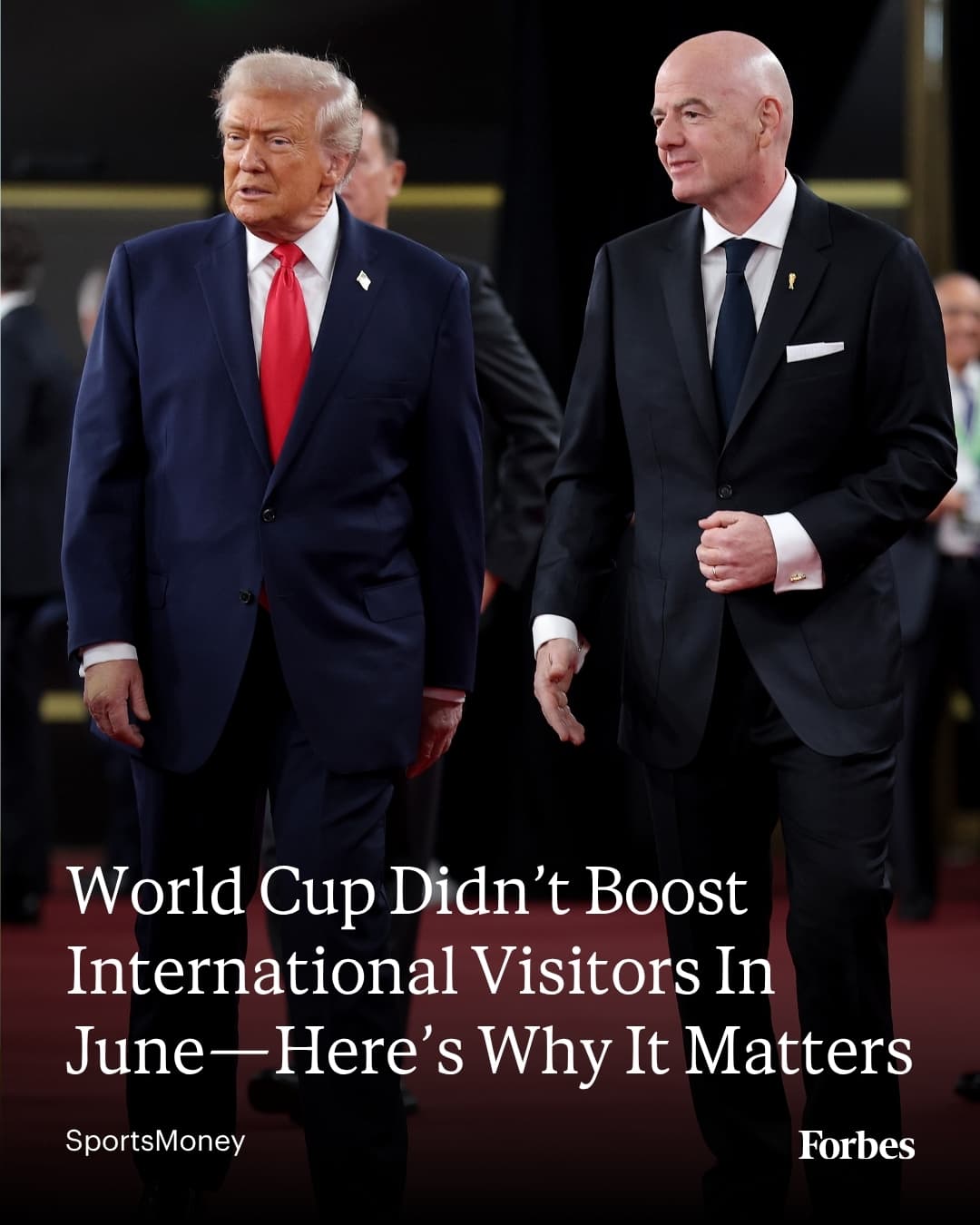
The 2026 FIFA World Cup has generated global attention and record television audiences, but early tourism figures indicate the tournament has not delivered the expected surge in international visitors to the United States. Industry analysts say overseas arrivals in June were significantly below optimistic projections despite months of marketing campaigns and expanded travel infrastructure. Hotels, airlines, restaurants, and entertainment venues in several host cities had anticipated a substantial influx of foreign tourists. While attendance at matches has remained strong, many spectators have been domestic travelers or visitors already residing in North America. This has limited the broader economic boost expected from long-haul international tourism. Travel experts point to multiple factors behind the weaker-than-expected visitor numbers. Higher airfare costs, stronger visa requirements for some travelers, global economic uncertainty, and currency fluctuations have all influenced travel decisions. Some tourists also chose to attend matches in neighboring host countries or shortened their stays to reduce costs. Economists note that mega sporting events often create expectations that exceed actual economic outcomes. While host cities experience increased activity during match days, long-term benefits depend on repeat tourism, infrastructure use, and sustained international exposure rather than short-term visitor counts alone. Businesses in tourism-heavy regions remain optimistic that later tournament stages could still attract additional travelers. Airlines continue adjusting schedules while hospitality operators launch promotional campaigns targeting last-minute bookings. Tourism agencies also hope that extensive global media coverage will encourage future leisure travel even after the competition concludes. Although immediate visitor numbers may have disappointed expectations, analysts believe the World Cup still offers valuable branding opportunities for the United States. The event showcases destinations, transportation networks, cultural attractions, and business investment potential to billions of viewers worldwide, potentially generating long-term economic benefits beyond ticket sales alone.
Published by Banx Network. This article is part of the Banx decentralized media programme, powered by the BXE token on the XRP Ledger.