
Key Highlights
- Incident:A wolf was found in Skopje, prompting discussions on wildlife management.
- Wildlife Care Gap:North Macedonia lacks facilities for rehabilitating rescued wild animals.
- Public Safety:Keeping wild animals as pets is illegal and poses risks.
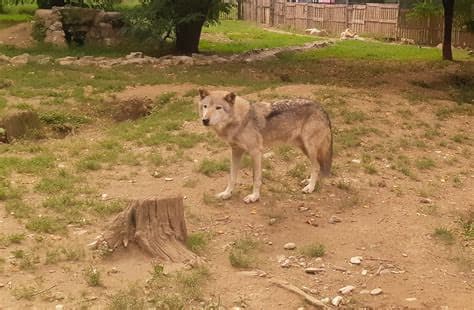
A wolf that was discovered in the city of Skopje—after being kept illegally as a pet—has sparked renewed public discussion about how North Macedonia handles rescued wild animals. The incident, which occurred in a busy urban area, has drawn attention to the significant gaps in local wildlife care and management practices.
The wolf's presence in a public space highlighted a critical issue: while authorities may confiscate wild animals from private owners, the country currently lacks the appropriate facilities and infrastructure to rehabilitate these animals effectively or return them to their natural habitats. This deficiency means that wildlife management often becomes reactive, addressing issues only when animals are found in urban settings rather than through a proactive, specialized rescue-and-rehabilitation system.
Officials and wildlife advocates have used this incident to argue that keeping wild animals in private or urban settings is both dangerous and illegal. They emphasize the need for a more serious, long-term approach to wildlife welfare, particularly after animals are confiscated or rescued. The current system, which often leads to animals being placed in unsuitable environments, raises concerns about public safety and animal welfare alike.
In light of this incident, there have been calls for the government to invest in better facilities and training for wildlife care. Advocates argue that a comprehensive strategy is necessary to ensure that rescued animals receive the care they need and that the public is educated about the risks associated with keeping wild animals as pets.
The wolf's capture has also reignited discussions about the legal implications of wildlife ownership in North Macedonia. Many citizens remain unaware of the laws surrounding the keeping of wild animals, leading to a lack of compliance and increased incidents of illegal ownership. This situation not only endangers the animals themselves but also poses risks to the community, as wild animals can exhibit unpredictable behavior when removed from their natural environments.
As the conversation continues, it is clear that the incident serves as a wake-up call for North Macedonia. The need for improved wildlife management practices is urgent, and stakeholders from various sectors must come together to address these challenges. Only through a coordinated effort can the country hope to protect both its wildlife and its citizens effectively.
Published by Banx Network. This article is part of the Banx decentralized media programme, powered by the BXE token on the XRP Ledger.



