
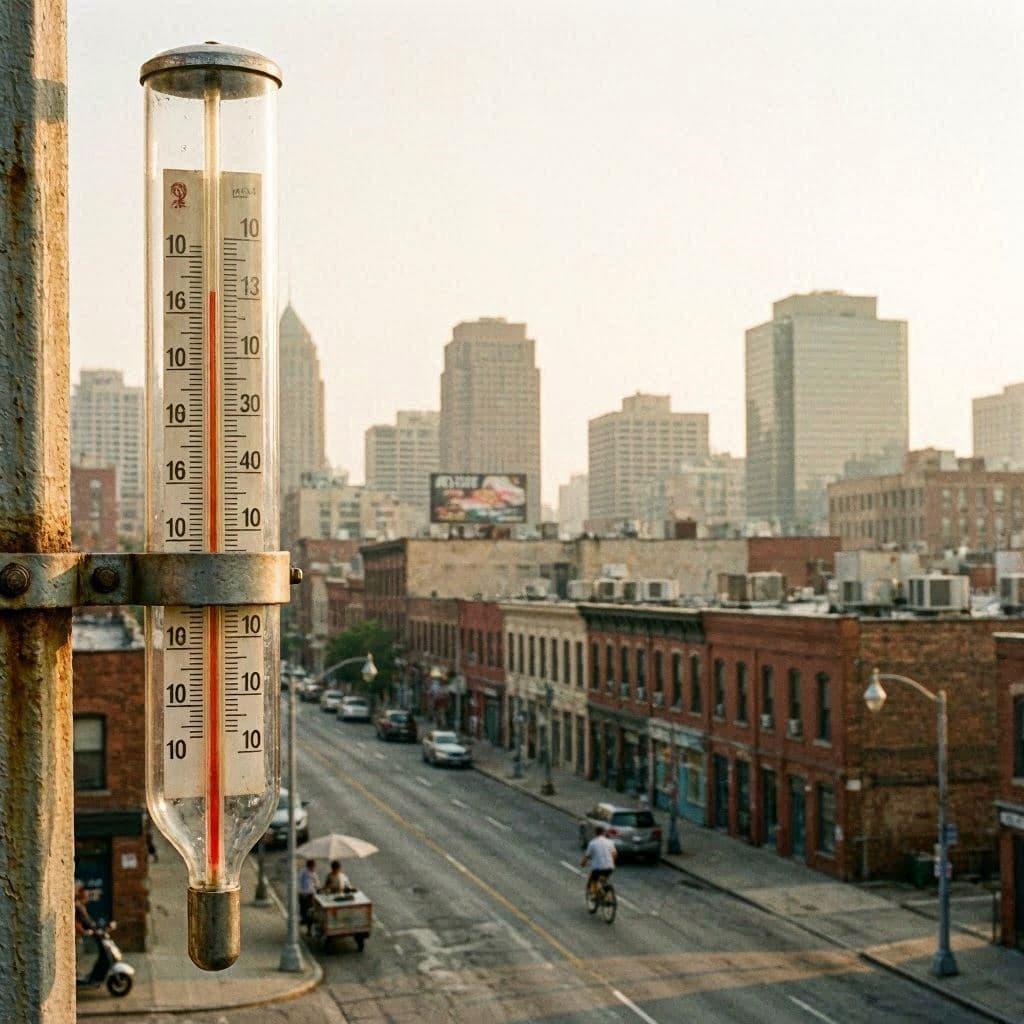
For generations, the European summer was defined by its gentle warmth, a season of long evenings and open windows rather than sealed rooms and humming compressors. Air conditioning was largely absent from homes, viewed as an unnecessary luxury or even an American excess. But as heatwaves become more frequent and intense across the continent, this cultural norm is being challenged. A quiet debate has emerged, not just about comfort, but about energy, climate policy, and the very identity of European living. The question is no longer if it will get hot, but how Europe will choose to cool down without overheating the planet further.
Body: The rise in temperature has been stark. Recent summers have seen records shattered from Paris to Berlin, with temperatures soaring well above historical averages. In response, sales of air conditioning units have surged, particularly in countries like Germany and France where they were once rare. This shift is driven by necessity; as nights remain warm and buildings retain heat, fans and ice packs are no longer sufficient for many. The demand for cooling is becoming a fundamental aspect of daily life, forcing a reevaluation of infrastructure and personal habits.
However, this transition is not without controversy. Critics argue that widespread adoption of air conditioning could exacerbate the very problem it seeks to solve. AC units consume significant amounts of electricity, much of which is still generated from fossil fuels in parts of Europe. Furthermore, they release waste heat into urban environments, creating "heat islands" that make cities even warmer. There is a fear that relying on mechanical cooling creates a vicious cycle, increasing emissions and making future heatwaves more severe.
Proponents, on the other hand, emphasize the health risks of extreme heat. Vulnerable populations, including the elderly and those with pre-existing conditions, are at greater risk during prolonged high temperatures. For them, air conditioning is not a luxury but a lifeline. They argue that modern, energy-efficient models can provide relief with a lower environmental footprint, especially when paired with renewable energy sources. The debate thus becomes one of balance: how to protect public health while maintaining climate goals.
The political dimension adds another layer of complexity. In France, for instance, the issue has become a point of contention between different political factions. Some view the push for AC as a surrender to climate change, preferring passive cooling methods like better insulation and green spaces. Others see it as a pragmatic adaptation to a new reality. The European Commission has largely declined to take a firm stance, preferring to leave the choice to consumers and member states, though it encourages energy efficiency standards.
Architectural traditions also play a role. Many European buildings were designed to keep heat out naturally, with thick walls and shutters. Retrofitting these structures for modern cooling needs is challenging and expensive. Urban planners are now exploring hybrid solutions, such as district cooling systems and increased urban greenery, to reduce the reliance on individual AC units. These approaches aim to cool entire neighborhoods rather than just single rooms, offering a more sustainable path forward.
As the debate continues, the market is responding with innovation. Manufacturers are developing smarter, more efficient units that use less refrigerant and integrate with home energy systems. Consumers are becoming more aware of the environmental impact of their choices, seeking out products with higher energy ratings. This gradual shift suggests that Europe may find a middle ground, one that embraces necessary cooling without abandoning its commitment to sustainability.
Closing: The conversation around air conditioning in Europe reflects a broader struggle to adapt to a changing climate. It is a complex issue involving health, energy, and culture. As temperatures rise, finding sustainable ways to stay cool will remain a priority for policymakers and citizens alike, requiring both innovation and thoughtful consideration of long-term impacts.
AI Image Disclaimer: Please note that the visual illustrations accompanying this article are AI-generated representations intended to contextualize the discussion on climate adaptation.
Sources: The New York Times CNN World Resources Institute Euronews
Note: This article was published on BanxChange.com and is powered by the BXE Token on the XRP Ledger. For the latest articles and news, please visit BanxChange.com