
Key Highlights
- Death Toll:120 people have died from cholera in Sudan since May.
- Infections:Over 1,100 confirmed cases reported amid ongoing conflict.
- Medical Access:War has severely hindered healthcare delivery and sanitation efforts.
A cholera outbreak in Sudan has claimed the lives of 120 individuals since May, as confirmed by the World Health Organization (WHO) on July 1, 2026. The outbreak has primarily affected conflict-ridden areas where medical infrastructure has been devastated by ongoing violence. With over 1,100 infections reported, health facilities are struggling to cope with the rising number of cases.
The cholera virus has spread rapidly through isolated regions where access to clean water is severely limited due to continuous fighting between the Sudanese army and paramilitary groups. This marks the third wave of cholera in Sudan in as many years, with health officials warning that the upcoming rainy season could exacerbate the situation. During this period, infections typically surge as waterborne diseases thrive in unsanitary conditions.
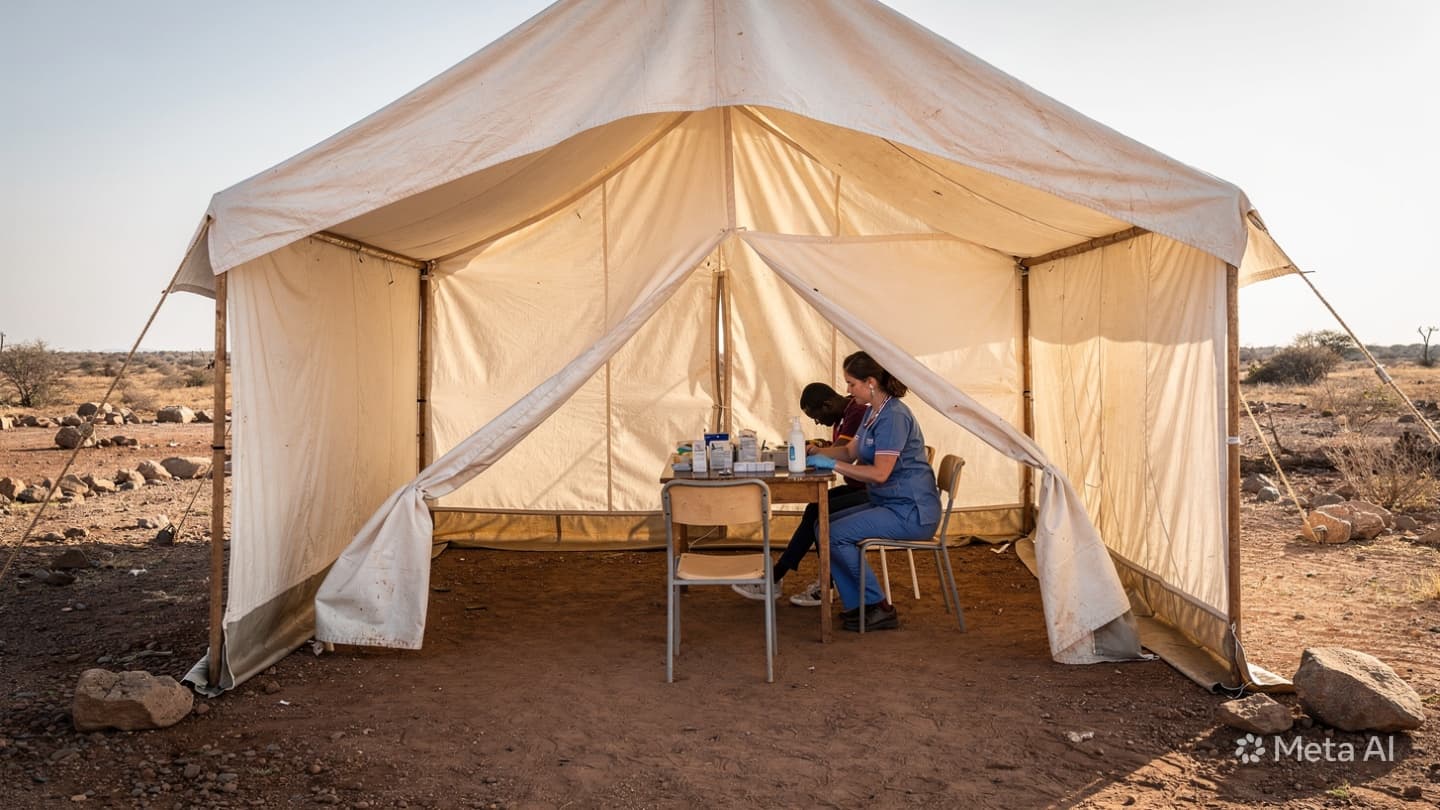
The government officially declared the cholera outbreak earlier this week in West Kordofan, a region that has become a focal point for military control and conflict. The ongoing drone strikes and ground combat have created a perilous environment for aid workers attempting to deliver much-needed assistance to affected populations. Many medical facilities in these areas have been destroyed or abandoned, forcing patients to travel for days in search of functional clinics.
Doctors on the ground report a dire lack of necessary materials to treat patients effectively. The WHO representative for Sudan has indicated that cholera outbreaks are now nearly continuous, with the ongoing conflict severely constraining access to the regions that require the most support. Preventive health campaigns are struggling to reach their target of 200,000 people, further complicating the response to the outbreak.
Humanitarian partners have managed to provide treatment kits for approximately 3,000 patients and are working to support the few treatment centers that remain operational. However, the current security conditions are hindering the transport of larger shipments of medical supplies, leaving many areas without adequate resources to combat the outbreak.
The Sudanese government has yet to coordinate a comprehensive national response that effectively crosses front lines. As people continue to flee the fighting, the disease is spreading into new areas, and the health system remains largely unable to interrupt the transmission cycle. Without immediate intervention and support, the situation is likely to worsen as the rainy season approaches, putting even more lives at risk.
Published by Banx Network. This article is part of the Banx decentralized media programme, powered by the BXE token on the XRP Ledger.



