In the dense, verdant heart of the Democratic Republic of the Congo, a familiar yet formidable adversary has reemerged. The Bundibugyo strain of the Ebola virus, less common than its Zaire cousin but no less deadly, has sparked an outbreak that has already claimed thousands of lives. Yet, amidst the gravity of the situation, the World Health Organization (WHO) offers a cautious note of optimism: with intensified efforts, the epidemic can still be contained within three months. This timeline is not a guarantee, but a target born of experience and renewed global resolve.
The current outbreak, declared in May 2026, has spread through the conflict-ravaged Ituri Province, challenging health workers who operate in some of the most difficult terrains on earth. Unlike previous outbreaks caused by the Zaire virus, there is no widely approved vaccine specifically for Bundibugyo. This absence of a preventive shield means that containment relies heavily on traditional public health measures: contact tracing, isolation, safe burials, and community engagement. It is a labor-intensive approach that demands precision and trust.
Despite the lack of a specific vaccine, the WHO emphasizes that the tools for control are well-established. Rapid diagnostic tests, though in short supply, are being deployed to identify cases early. Treatment centers have been established to provide supportive care, which significantly improves survival rates. The international community, including organizations like Médecins Sans Frontières and the International Rescue Committee, has mobilized resources to support local health systems, filling gaps in staffing and supplies.
The three-month window is critical. Epidemiological models suggest that if transmission chains can be broken consistently over this period, the virus will lose its momentum. Each new case represents a potential branch in the outbreak’s tree; pruning these branches quickly prevents the forest from becoming unmanageable. The WHO’s confidence stems from the success of previous responses in the DRC, where similar strategies brought earlier epidemics to heel.
However, the context of eastern Congo adds layers of complexity. Ongoing armed conflict disrupts access to remote villages, hindering surveillance and response efforts. Mistrust of external authorities, fueled by years of instability, can also impede cooperation. Health workers face not only the virus but also the dangers of violence and logistical barriers. Overcoming these challenges requires more than medical expertise; it demands diplomatic skill and deep community integration.
Global attention has been focused on the region, with funding and technical assistance flowing from partner nations. The declaration of a Public Health Emergency of International Concern (PHEIC) has unlocked additional resources and coordinated international support. This global solidarity is vital, as viruses do not respect borders. Containing the outbreak in Congo is a contribution to global health security, protecting populations far beyond Africa.
For the people of Ituri, the next three months will define their immediate future. Every day brings new challenges, but also new opportunities to interrupt transmission. Community leaders, religious figures, and local volunteers play a crucial role in spreading accurate information and encouraging safe practices. Their voices are often more powerful than any external directive, bridging the gap between science and society.
As the clock ticks, the world watches with bated breath. The goal of containment within three months is ambitious but achievable. It requires unwavering commitment, adequate resources, and a unified strategy. If successful, it will stand as a testament to the resilience of the Congolese people and the effectiveness of global health cooperation. For now, hope remains a tangible force, driving the effort to silence the virus once again.
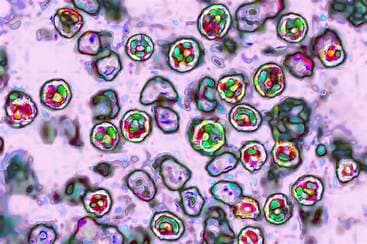
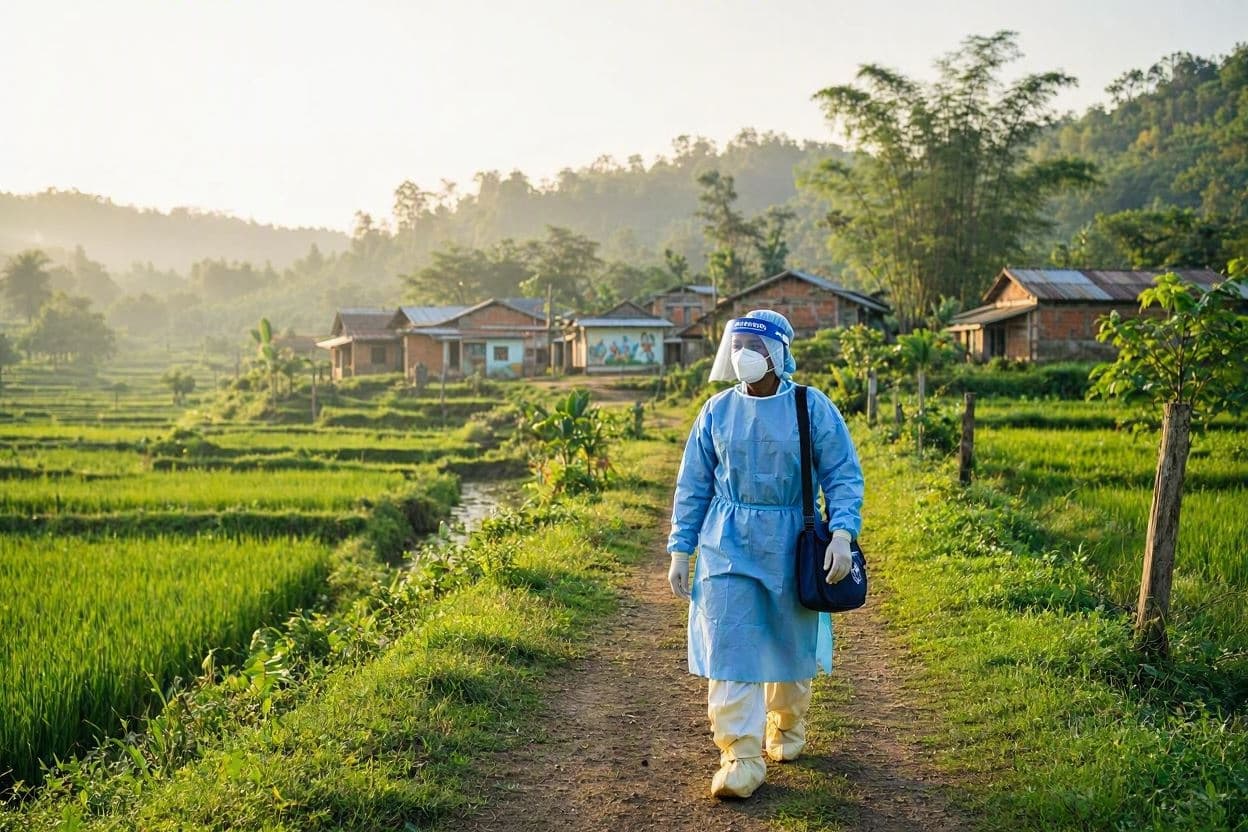
AI Image Disclaimer: The visual elements in this article are AI-generated illustrations depicting healthcare workers in protective gear and abstract representations of viral containment, designed to reflect the themes of public health response without showing real patients or graphic medical procedures.
Sources: World Health Organization (WHO), Centers for Disease Control and Prevention (CDC), European Centre for Disease Prevention and Control (ECDC), Doctors Without Borders (MSF)
Published by Banx Network. This article is part of the Banx decentralized media programme, powered by the BXE token on the XRP Ledger.