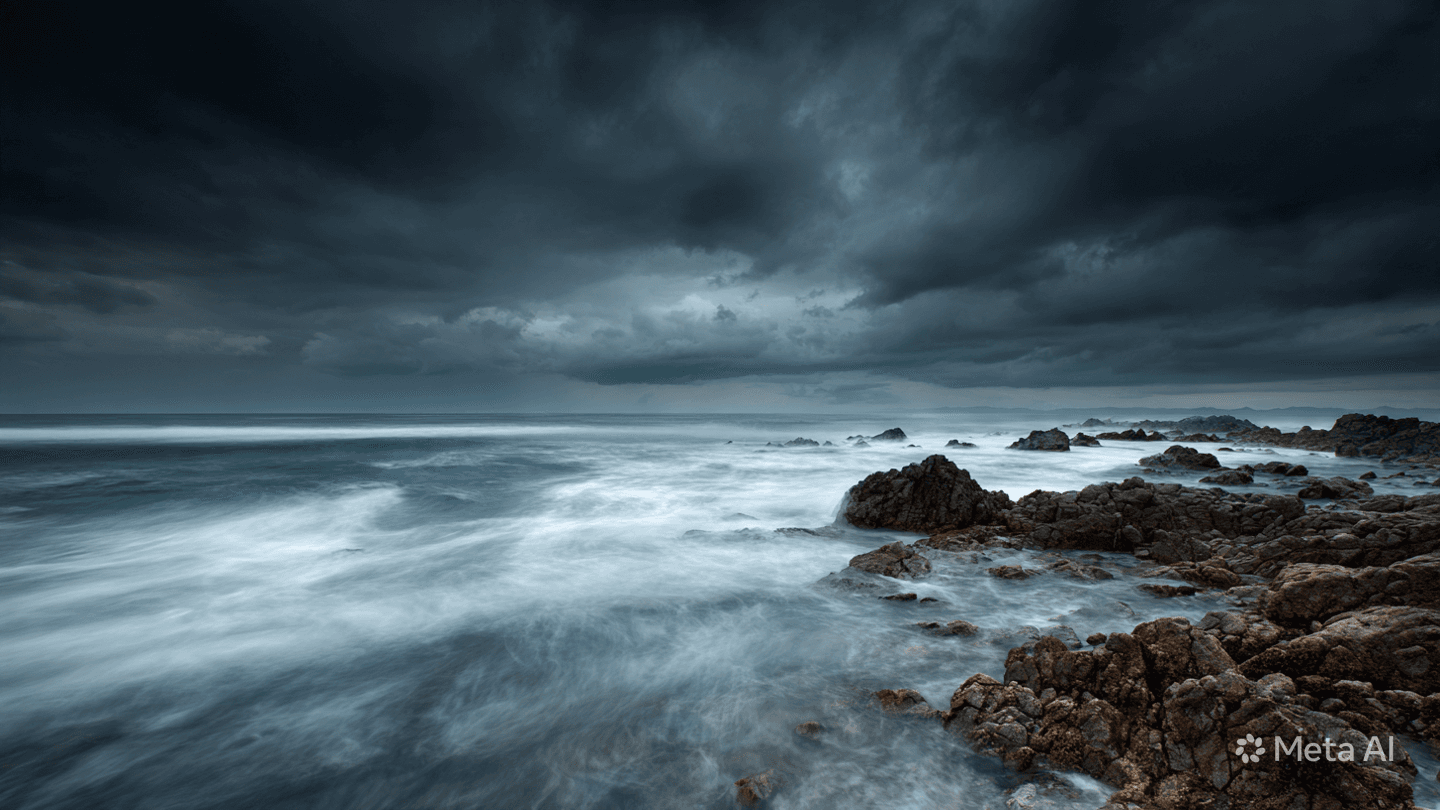
There is a particular atmosphere that precedes a storm of significant magnitude, a heavy, expectant silence that settles over the landscape. When that silence is finally broken by the arrival of a system like the one that visited Sørlandet this spring, the world feels abruptly diminished. The infrastructure we rely upon—the lines that bring us warmth, the roads that grant us passage, the walls that shelter us—is revealed to be remarkably delicate when confronted with the raw kinetic energy of the natural world.
The storm, known to the meteorologists as 'Dave,' carried with it a force that shattered long-standing wind records along the southern coast. To witness such events is to be reminded of our place within the geography of the North. We are inhabitants of a space that is defined by its exposure to the sea, and when the wind surges to hurricane speeds, the distinction between our civil order and the wild environment becomes painfully blurred.
We watch as the power grids, the intricate webs of copper and light that sustain our communities, are tested to their limits. Eleven thousand homes lost their connection to the current, a figure that represents not just a statistic, but eleven thousand individual instances of darkness, cold, and uncertainty. It is a moment of collective pause, where the pace of modern life is forced to slow, interrupted by the necessity of survival and the slow, arduous work of repair.
The damage to infrastructure—the torn roofing, the downed lines, the blocked highways—speaks to the suddenness of the shift. In Kristiansand, the closure of landmarks and the cordoning off of public spaces underscored the intensity of the winds. Yet, beneath the reports of property loss, there is the human dimension of the experience: the families stuck in mountain passes, the crews working to restore order in the face of gusts that made their labor perilous, and the community waiting for the return of the light.
Reflecting on these events requires a degree of humility. We are accustomed to a world that is predictably powered, where the flick of a switch yields an immediate response. When that cycle is broken, we are returned to a more primal understanding of our environment. We see the storm not as a disaster to be judged, but as a force to be weathered, one that demands a reallocation of our focus toward the maintenance and strengthening of our shared systems.
The recovery, as it always does, follows the ebb of the storm. The return of power to the households of Sørlandet is a slow, methodical reclamation of normalcy. It is a process that requires the patient labor of technicians and the quiet cooperation of those affected. It is a testament to the durability of the community that, even in the wake of such widespread disruption, the rhythm of life begins to re-establish itself.
As the weather systems continue to fluctuate, and as our exposure to extreme events seems to grow, the memory of this storm serves as a touchstone. It invites us to consider the ways in which we design our spaces, the resilience of our grids, and the importance of preparedness. The wind will always return, but our ability to withstand it is a choice we make in the quiet days between the gales.
The storm, which peaked in early April 2026, left a lasting mark on the Agder and Rogaland counties, with wind gusts exceeding 40 meters per second recorded at coastal stations. While electricity was restored to the vast majority of consumers within days, transportation authorities and utility providers have since initiated reviews into infrastructure vulnerabilities exposed by the extreme gusts. The event remains the most significant weather disturbance in the region for the current year.
Published by Banx Network. This article is part of the Banx decentralized media programme, powered by the BXE token on the XRP Ledger.