
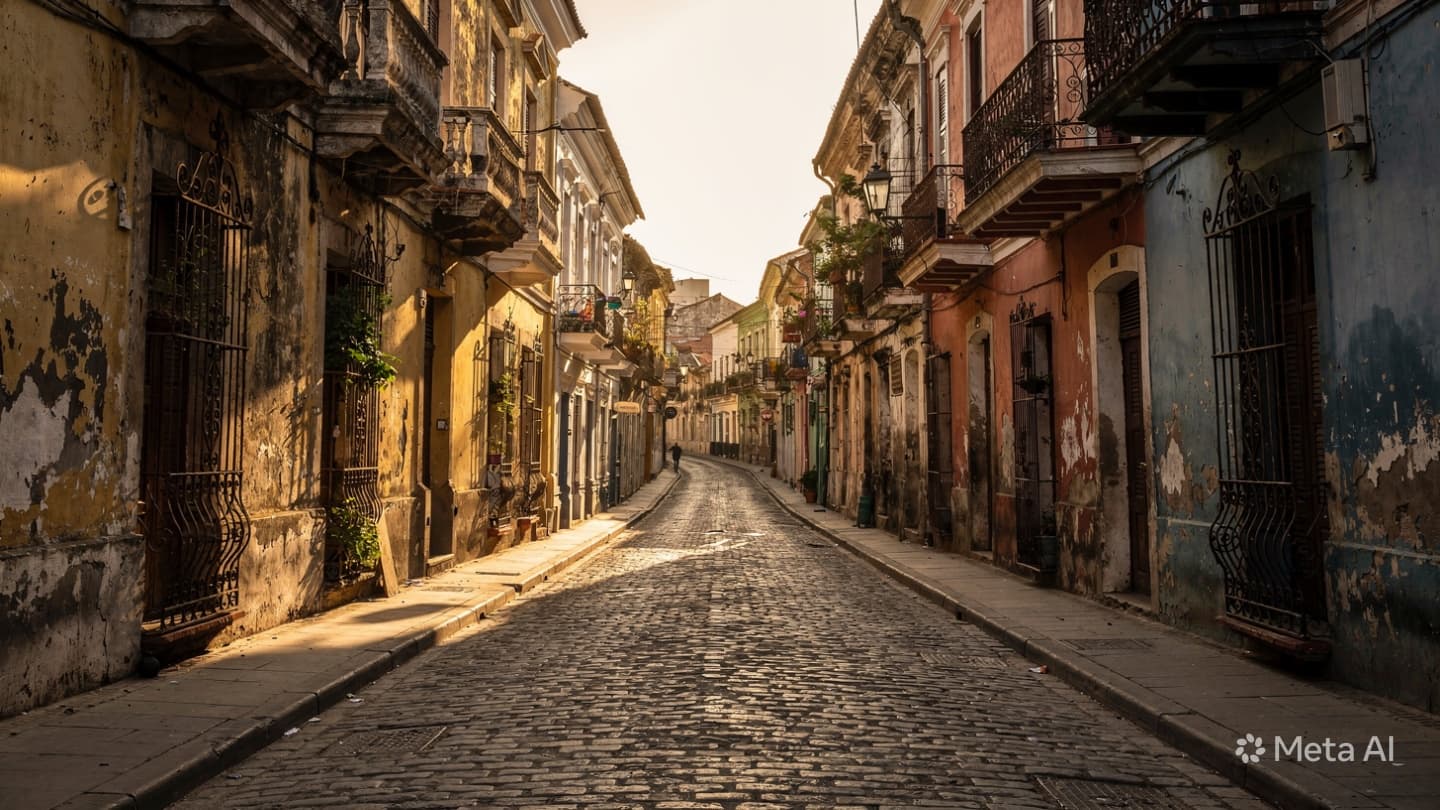
The streets of Havana possess a unique, historic rhythm, where the hum of decades-old American classics and vintage Soviet sedans defines the auditory landscape of the capital. In this vibrant urban environment, fuel is more than just a commercial commodity; it is the vital lifeblood that keeps the public transportation networks moving and sustains the fragile electricity grids that power homes. Because petroleum products are managed under strict state controls and subject to frequent international supply constraints, the distribution of every gallon is a matter of profound national priority.
Beneath the visible economy of official gas stations and state-regulated transport depots, an alternative, illicit network had quietly established itself within the hidden corners of the city. Operating from nondescript warehouses in the industrial periphery and private garages in Old Havana, a highly organized syndicate succeeded in diverting thousands of gallons of diesel and gasoline from state enterprises. This black-market stream flowed silently through the capital, supplying private taxi drivers and informal businesses looking to bypass official distribution shortages.
The uncovering of this illicit enterprise followed a multi-month investigation by specialized economic crime units, who tracked anomalies in the fuel consumption logs of major state transportation hubs. Investigators discovered that syndicate members had compromised the electronic tracking systems used on state-owned tankers, allowing them to siphon off significant percentages of cargo before reaching official destinations. The stolen fuel was then moved under the cover of night in modified delivery vans fitted with hidden internal bladders.
The subsequent raids conducted by national police forces struck at the core storage infrastructure of the network, uncovering secret underground tanks and sophisticated pumping equipment hidden beneath domestic properties. The scale of the operation revealed a high level of logistical coordination, relying on a network of corrupt officials, drivers, and informal distributors who managed the sales through encrypted communication channels. The intervention has disrupted one of the largest parallel fuel economies discovered in the capital in recent years.
For the average citizen of Havana, the existence of an informal market for scarce goods is a familiar reality of daily life, born of necessity and the creative navigation of economic hardship. However, the systemic diversion of fuel on an industrial scale carries a immediate cost, directly worsening the fuel shortages that lead to long lines at official pumps and occasional electrical blackouts. The crackdown is seen as an effort to stabilize the official distribution network during a period of heightened economic vulnerability.
The legal and regulatory fallout from the bust is expected to prompt a comprehensive review of security protocols across all state energy sectors. Authorities are discussing the implementation of tamper-proof satellite tracking on all fuel transport vehicles and the introduction of stricter audited manifests at processing refineries. The goal is to make the energy supply chain entirely transparent, eliminating the gaps where illicit networks have historically found room to operate.
As the seized storage sites are secured by state guards, the regular traffic of Havana continues to move along the seafront, its cadence dependent on the steady availability of the precious liquid. The colorful facades of the capital stand under the warm Caribbean sun, reflecting an image of resilience that masks the complex economic struggles occurring beneath the surface. The struggle to manage and preserve the island's energy resources remains a central focus of civic governance.
A formal statement broadcast on state media confirmed the arrest of fifteen suspects, including three high-ranking logistics managers from a provincial fuel distribution depot. Raid operations resulted in the confiscation of over fifty thousand liters of diverted gasoline, along with substantial amounts of foreign currency and four modified commercial transport vehicles. The Ministry of the Interior stated that corporate audits are underway across all related state transport enterprises to root out further systemic irregularities.
Published by Banx Network. This article is part of the Banx decentralized media programme, powered by the BXE token on the XRP Ledger.


