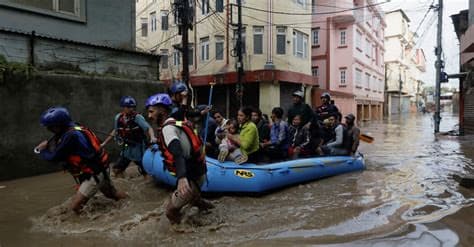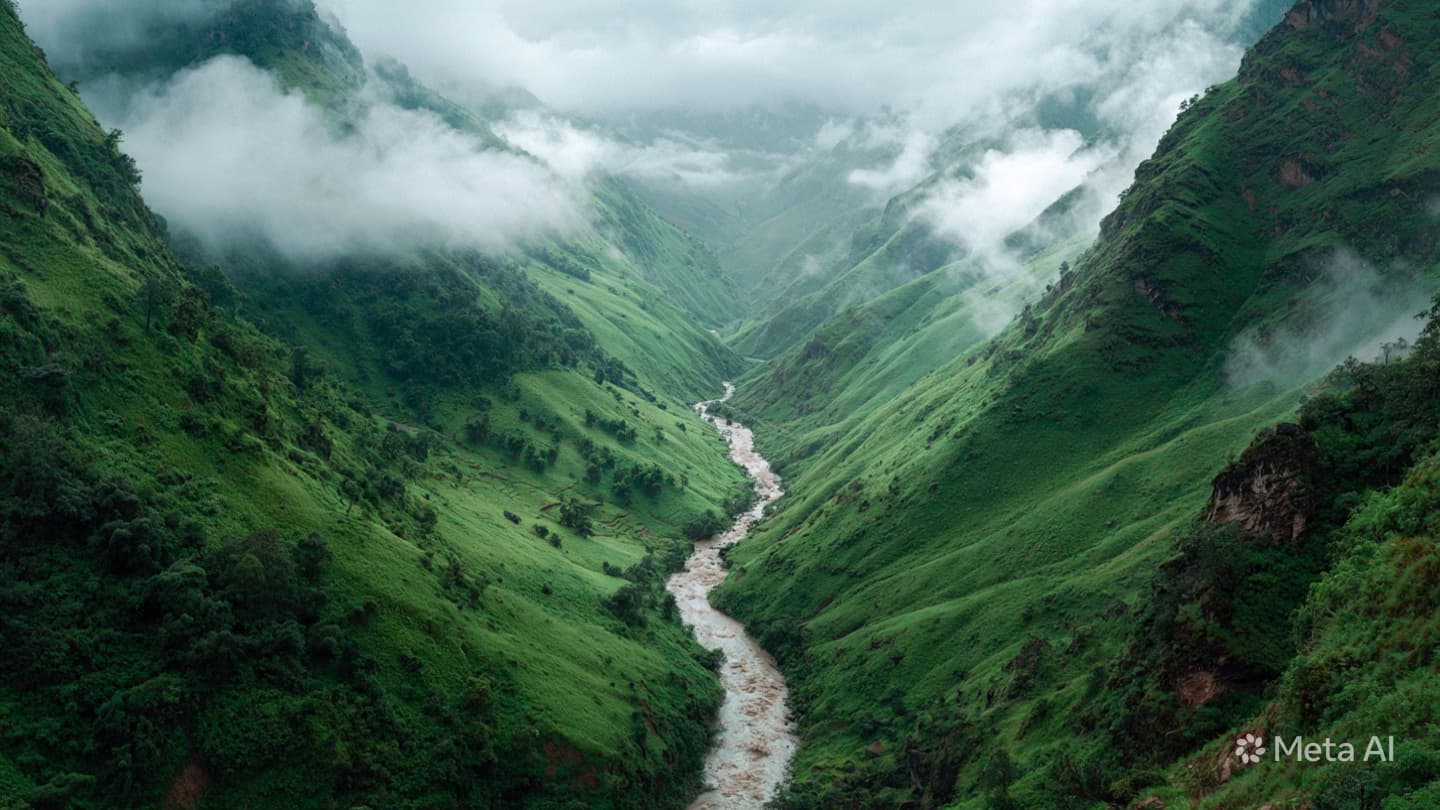
The geography of Shan State is defined by its dramatic elevations, where steep, verdant hills meet the narrow valleys that cradle the life of the village. It is a landscape of profound beauty, yet one that demands a constant, unspoken negotiation with the elements. When the rains come—not as a gentle mist, but as a torrential, transformative force—the mountain streams that usually provide the sustenance of the region can swiftly become dangerous, rushing currents. They carry the weight of the higher elevations down into the low-lying settlements, turning a quiet evening into a struggle against the rising, relentless water.
In the small villages nestled in these valleys, the sound of the rain is a familiar rhythm, but there is a specific, guttural tone that signals the coming of a flash flood. It is a rumble of shifting debris and high-velocity water that moves with a singular, destructive purpose. When a village is suddenly overwhelmed, the transition is near-instantaneous. The ground beneath one’s feet disappears, and the familiar paths of daily life are replaced by a rushing torrent that pays no mind to the structures or the boundaries that human effort has established.
The tragedy of two young lives lost in the surge is a weight that the entire community must now carry. It is a quiet, devastating reminder of the fragility of childhood in the face of environmental unpredictability. The search and recovery efforts, led by local volunteers and village elders, are a testament to the resilience of those who remain, but they are also a sobering encounter with the limitations of their reach. To watch a village be reclaimed by the water, even for a few hours, is to be reminded of the power of the natural world to reset the stakes of daily existence.
There is a reflective space between the memory of the dry valley and the reality of the flood. It is a space filled with the debris left behind—the mud, the uprooted trees, and the damaged belongings of families. The local leadership works to coordinate relief, assessing the damage to homes and crops, but the psychological aftermath is a slower process of healing. The children who remain, the parents who have lost their own, and the neighbors who shared in the terror all navigate the quiet, damp aftermath of a night that will forever mark the history of their settlement.
The recurrence of these events in the highlands of Shan State brings the conversation back to the necessity of improved disaster mitigation and early warning systems. While ancestral knowledge of the land provides a baseline for preparedness, the increasing intensity of weather patterns requires more than tradition alone. The construction of protective embankments, the clearing of drainage channels, and the establishment of robust community evacuation plans are the essential, modern requirements for safety. Each flood is an urgent data point, a silent request for infrastructure that can hold against the mountain's rush.
As the waters recede and the sun begins to dry the saturated earth, the village begins the slow task of restoration. It is a communal labor, a quiet, methodical effort to clear the mud and rebuild the foundations that were shaken. The resilience of the Shan people is palpable, yet it is a burden that asks much of them. They remain anchored to this landscape, finding beauty in the very hills that occasionally turn against them, their lives defined by the ongoing, delicate balance between the mountain’s bounty and its sudden, unpredictable fury.
Ultimately, the flood is a mirror held up to the reality of life in the highlands. It reminds us that we are guests on these slopes, traversing them at the mercy of elements that remain largely beyond our control. As the investigations into the disaster are filed and the rebuilding continues, the mountain streams return to their gentle, rhythmic flow, as if nothing had occurred. The people, however, carry the memory of the night the water rose, watching the clouds with a newfound, heavy awareness of the thin line between their homes and the deep, dark power of the rain.
Published by Banx Network. This article is part of the Banx decentralized media programme, powered by the BXE token on the XRP Ledger.