The movement of a train across the rugged spine of a landscape is, in many ways, an act of trust. We surrender our velocity to the machinery, our time to the schedule, and our safety to the unseen hands that guide the iron path. When that path is suddenly, violently interrupted by the emergence of flame, the environment shifts. The routine of the journey is shattered, replaced by the immediate, primal necessity of preservation.
It is in these rare, disruptive moments that the true character of a transit system reveals itself. Beyond the technical failures or the mechanical origins of a blaze, there lies the human response—the quiet, practiced coordination of those tasked with the stewardship of the passengers. The incident on the Bergensbanen line, where fire forced a sudden halt in a remote stretch of forest, serves as a testament to the efficacy of calm under duress.
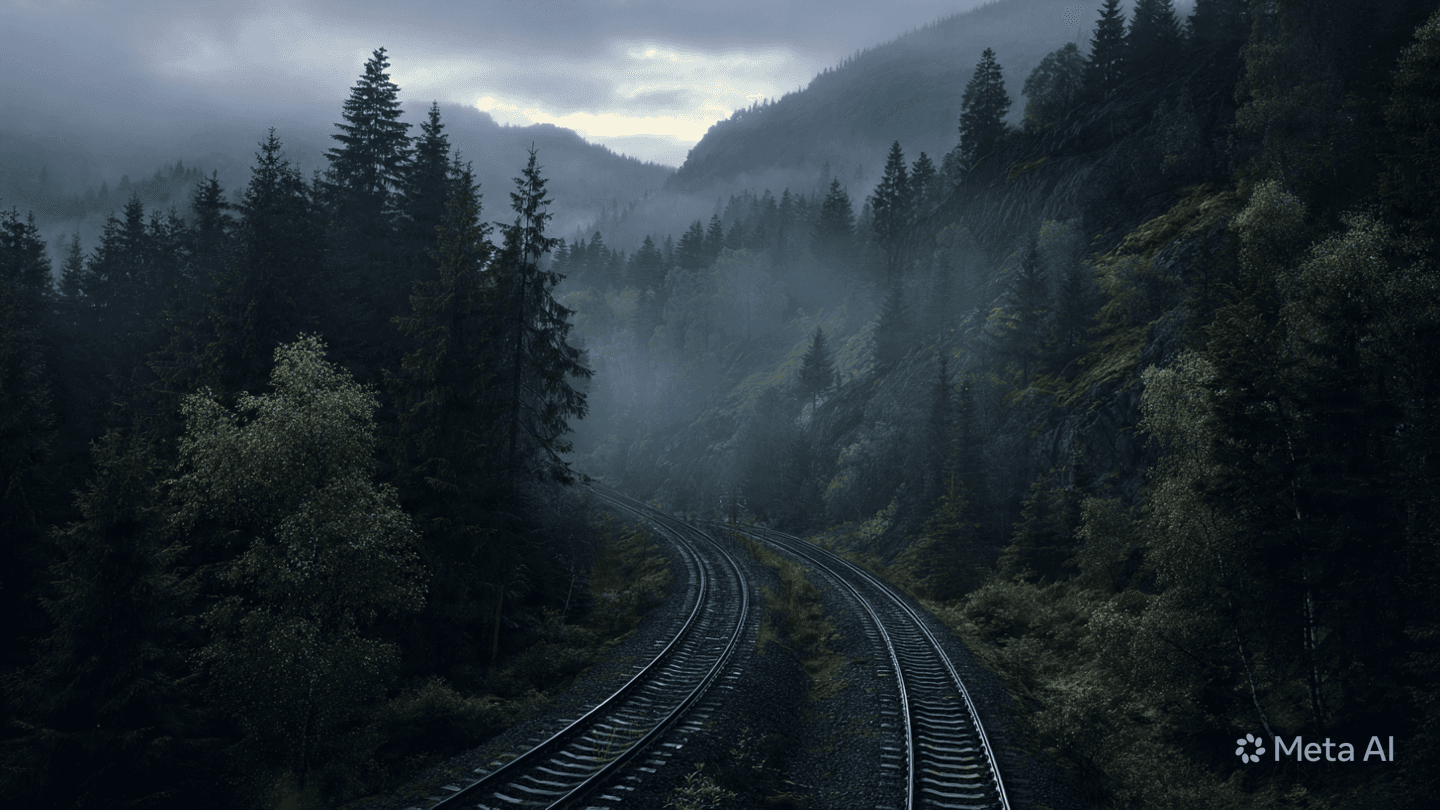
One reflects on the scene: the train, moving through the stark beauty of the Norwegian interior, becomes a stage for an unexpected drama. The decision to press forward to an accessible area, to uncouple the affected carriages, and to shepherd hundreds of souls toward safety is an exercise in professional restraint. It is a sequence of actions that favors the orderly over the panicked, ensuring that the chaos of the moment remains contained within the geography of the incident.
The atmosphere of such a rescue is uniquely human. As passengers navigated the woodland, moving away from the smoke and toward the gathering points, there was a collective gravity. The reports of shared sustenance and the quiet endurance of those involved speak to a deeper social fabric that often goes unnoticed until it is tested. It is a reminder that in the shadow of crisis, our instinct is to stabilize, to assist, and to persevere.
Observers of the event have noted the precision with which the emergency services and the rail personnel synchronized their efforts. The Hallingdal Fire and Rescue Service, arriving on the scene to find a situation already being expertly managed by the onboard crew, spoke to the clarity of the decision-making. There is a profound sense of relief in knowing that the infrastructure of safety—our drills, our protocols, our personnel—can hold firm when the elements turn against us.
There is a contemplative weight in acknowledging that such events are ultimately disruptions to the narrative of our lives. A travel plan, a holiday, or a simple return home is paused, rerouted, or abandoned. Yet, in the aftermath, what remains is not just the memory of the fire, but the memory of the response. We are left to consider the fragility of our connections and the vital importance of the hands that maintain them.
As the Bergensbanen line has since returned to its rhythmic service, the incident remains as a silent marker in the history of the route. It is a case study in the value of human judgment in an increasingly automated world. We rely on the technology, yes, but it is the intuition and the resolve of the individual that provides the ultimate layer of protection for the collective.
The investigation into the fire, which occurred on April 7, 2026, continues to focus on the technical causes underlying the combustion of the coach. Following the successful evacuation of over 220 passengers near Bromma station, infrastructure repairs were expedited to restore service on the Bergen Line. Both operator Vy and national safety investigators have commended the personnel for their decisive actions in preventing injuries during the critical event.
Published by Banx Network. This article is part of the Banx decentralized media programme, powered by the BXE token on the XRP Ledger.