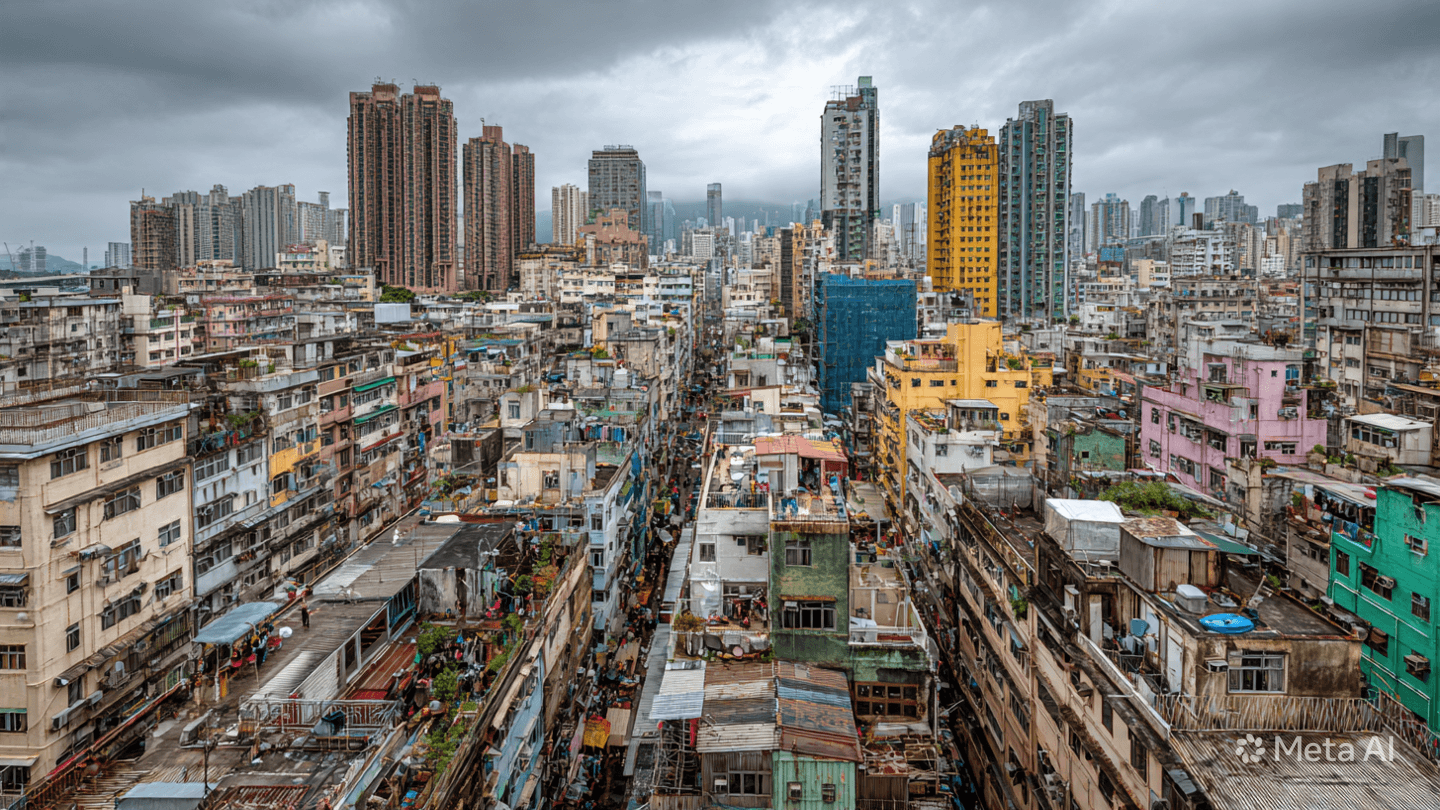
In the dense, vertical labyrinth of Sham Shui Po, the city’s skyline is often defined by the improvised reality of rooftop living. These structures, perched precariously atop aging tenement buildings, serve as the final frontier of shelter for many who exist on the periphery of the urban climb. They are fragile spaces, constructed from corrugated iron and weathered materials, where the warmth of a hearth can, with a sudden shift in wind or an electrical spark, transform from a necessity into a hazard. The recent fire that claimed an elderly woman’s life in this height is a somber meditation on the hidden vulnerabilities of our most vulnerable populations.
The blaze emerged with a quiet, creeping intensity that often characterizes the hazards of these elevated dwellings. In an area where space is a luxury and safety systems are frequently compromised by age and neglect, the speed of the flames was unyielding. The structure, exposed to the elements and isolated from the primary grid of civic protection, became a crucible of heat and smoke. It is a stark reality that for those residing in the highest reaches of the district, the climb to safety is often hindered by the very geography they call home.
The aftermath of such events leaves a hollow stillness in the neighborhood. As emergency crews labored to contain the fire and reach those trapped within, the local community stood in silent, collective reflection. It is a jarring experience to witness a home, however modest, consumed by the same urban density that provides its inhabitants with their sense of place. The loss of life in these instances is not merely a statistical entry in a registry; it is the extinguishing of a history, a life lived in the margins, and a neighbor lost to the indifference of circumstances.
In the ensuing investigation, the focus naturally turns to the maintenance of fire safety infrastructure in these legacy buildings. There is a deep-seated tension between the need for structural renovation and the reality of the residents' economic constraints. Many of these rooftop additions persist in a gray zone of legality, which often complicates the delivery of modern fire suppression and life-saving equipment. The tragedy raises difficult questions about how the city manages its older districts and the degree to which we are responsible for the safety of those living beyond the reach of standard building codes.
The discourse following the fire is one of subdued urgency, calling for a more compassionate approach to urban housing policy. There is an acknowledgment that the safety of the individual cannot be subordinate to the complexities of land-use governance. As authorities examine the electrical wiring and the lack of accessible escape routes, the broader community contemplates the ethics of their own urban planning. It is a slow, difficult reckoning with the reality that a city’s prosperity is measured by the safety of its most exposed residents.
As the authorities conclude their site inspection, the goal is to prevent a recurrence, though the challenge remains immense. Improving fire prevention in aging, non-compliant structures requires a delicate balance of enforcement and social support. There is a collective need to ensure that the tragedy does not fade into the background noise of the city's relentless growth. Instead, it serves as a persistent reminder of the work that remains to be done to secure the lives of those who look out over the city from its highest, most fragile perches.
Ultimately, the fire in Sham Shui Po is a call for a more inclusive vision of urban safety. It demands that we look beyond the glass-and-steel facade of the central districts and confront the conditions in the hidden corners of our home. By fostering a culture of fire vigilance and providing the necessary resources for upgrades, the city can work toward a future where a home, regardless of its location, is a sanctuary rather than a risk. It is a commitment to the sanctity of life, expressed through the quiet, consistent work of improving our shared environment.
The tragedy leaves behind a community searching for closure, as family members and social workers provide support to those affected by the displacement. The government has signaled an intent to review fire safety in similar residential clusters, balancing the need for rigorous inspections with the welfare of displaced tenants. The investigation into the fire’s origin remains ongoing, focusing on faulty electrical systems common in these older structures. In the coming months, the neighborhood will seek to stabilize, bearing the weight of this loss as it navigates the path toward greater residential security.
Published by Banx Network. This article is part of the Banx decentralized media programme, powered by the BXE token on the XRP Ledger.